Volume 14, Issue 1 (Winter 2026)
Iran J Health Sci 2026, 14(1): 3-16 |
Back to browse issues page



Ethics code: NEU/2022/107-1624)
Clinical trials code: NEU/2022/107-1624)


Download citation:
BibTeX | RIS | EndNote | Medlars | ProCite | Reference Manager | RefWorks
Send citation to:


BibTeX | RIS | EndNote | Medlars | ProCite | Reference Manager | RefWorks
Send citation to:
Uche Edwin C, Öztürk C. Generational Shifts in Child Discipline in Nigeria: Implications for Health Education and Parenting Practices. Iran J Health Sci 2026; 14 (1) :3-16
URL: http://jhs.mazums.ac.ir/article-1-1063-en.html
URL: http://jhs.mazums.ac.ir/article-1-1063-en.html


Department of Child Health and Disease, Faculty of Nursing, Near East University, Nicosia, Turkish Republic of Northern Cyprus. , edwin@neu.edu.tr
Full-Text [PDF 2263 kb]
(1102 Downloads)
| Abstract (HTML) (1113 Views)
Full-Text: (452 Views)
Introduction
Discipline is a mode of life in accordance with set rules and systematic instruction, given to a person or members of a group to follow a specified code of conduct [1]. It is a crucial aspect of socialization and adherence to societal norms. Child discipline is essential for socialization, which can guide publicly acceptable behavior in the community and foster good character to thrive [2].
In West Africa, particularly in Nigeria, disciplinary practices are rooted deeply in traditional beliefs, religion, and culture [3, 4]. Parents are often blamed for failing to discipline their children to meet societal standards, and a popular scriptural saying, “spare the rod and spoil the child,” is often enough to justify this practice. Traditionally, older generations believe that discipline should be rigid, with strict adherence to rules and regulations, often enforced through physical punishment [5]. This strategy is considered successful in residential and educational settings where parents and instructors hold substantial influence. The prevalence of corporal punishment has raised international concerns from global organizations and child welfare advocates [6]. The fundamental idea is that if children are not disciplined with physical punishment, they may grow up to be spoiled, but physical punishment teaches people to be responsible [7].
Research has also shown that long-standing evidence of punitive discipline is associated with negative long-term developmental and psychological outcomes for children [8-10]. In remote ethnic communities, where customary beliefs are firmly held, discipline is linked to communal ideals. People see discipline as a shared duty that extends beyond parents; elders in society are crucial in rectifying misbehavior [7]. Children have a strong sense of duty to their families and communities as a result of this collaborative approach, which upholds established societal standards. Even though the children are raised with rigorous discipline, the middle-aged generation has begun to question the effectiveness of such approaches after being exposed to proper education and Western beliefs. They retain many aspects of the strictness they experienced, even though they have recognized the growing need to engage in conversations with children. Because verbal reprimands promote obedience and cognitive and emotional growth, they are chosen over excessively severe ones. In the present society, where most parents are millennials, discipline is viewed differently. This generation is impacted by global trends and the increasing acceptance of non-physical disciplinary methods [11]. In recent years, concepts like time-outs, positive reinforcement, and clearly defined boundaries are more prevalent than the physical punishment used in previous generations [11].
Additionally, the way that people view discipline today has been profoundly influenced by social media and the rapid advancement of technology [12]. Users can access parenting websites and international viewpoints on discipline through social media. There have been difficulties with this change, nonetheless. For example, older generations consider these approaches to be too lenient. They are concerned about the supposed lack of respect and discipline among today’s youth, traits that were important in earlier generations. Secondly, because parents find it challenging to balance multiple obligations and maintain consistent routines, the fast-paced urban lifestyle has affected disciplinary approaches. Some argue that, while contemporary methods may be more compassionate, they may lack the resolve needed for successful enforcement.
There are various disciplines based solely on the pragmatic, moral, and cultural components of life. In practical terms, discipline focuses on how each child responds differently and whether it is beneficial for raising children. Morally, discipline respects children as human beings and shields society against abuse [13]. Culturally, the question is who should raise the child, the family or society as a whole, and how much autonomy the family has in relation to the child [14].
Numerous studies have been carried out in Nigeria, focusing on the use of physical discipline in schools and homes and the effects observed by teachers and parents [7, 4, 15]. While these studies show the prevalence of different disciplinary techniques, a critical gap remains in the literature. If any, very few studies have explored the intergenerational evolution of these disciplinary practices by documenting experiences of those directly involved. Understanding the philosophy of discipline across these three generations is crucial to mapping the shifting social and cultural norms that influence child-rearing. By identifying the barriers to adopting non-punitive methods in modern Nigerian society, this study explores perceptions and lived experiences to provide a framework for health education interventions and for promoting effective parenting practices.
Literature review
Meanwhile, studies have shown that perceptions of discipline differ across many centuries and civilisations. First-generation Korean American parents perceive spanking as the ultimate way to address the misbehavior of young ones [16]. Korean American cultural practices have influenced this type of discipline. However, contemporary methods, especially in the academic environment, debunked this idea by prioritising altering perceptions and shifting away from punishing actions [17]. Also, research has shown that using physical punishment as a form of discipline can result in drastic trauma to the individual rather than promoting positive behavior in children [18]. For scholars, school administrators’ viewpoints on safety and discipline affect the implementation of school policies [19]. Perceptions of discipline may be influenced by generational variations since younger generations are more likely to question old beliefs about punishment and behavior control [20]. The significance of re-evaluating views of discipline is emphasised in conversations regarding the correlation between discipline and punishment [21]. Cultural, generational, and societal factors influence perceptions. It takes an extensive understanding of various perspectives to develop successful discipline techniques that support positive behavior and overall well-being in children and teenagers. Due to changing public attitudes towards child discipline, several religious systems have recently come under scrutiny because they see discipline as a kind of physical punishment [5]. The fundamental idea is that discipline and punishment are closely related, but it is crucial to consider how this perspective affects behavioural and emotional well-being [22]. In the end, ideas about discipline across generations are always changing, reflecting shifts in society’s values and perspectives. When transitioning to contemporary, effective approaches that emphasise building relationships and using positive reinforcement, it is important to consider the effects of punishment on children’s behavior and overall well-being.
This study assessed perceptions of discipline in Nigeria using participant responses. Determining the reasons behind the perspectives of the three generations is another goal of the study.
Materials and Methods
Research design
A qualitative, descriptive-phenomenological design was used to investigate how mothers, children, and grandmothers in Nigeria perceive discipline across generations. In-depth interviews were conducted with participants who met the inclusion criteria: they must be from Nigeria, be third-generation adolescents, and speak English. Understanding individuals’ actual experiences with discipline was determined using a phenomenological approach.
The interviews were conducted in person at the Nursing Auditorium, located on the third floor of the Petroleum Trust Fund (PTF) building at the University of Nigeria Teaching Hospital (UNTH), Enugu. The auditorium has a large seating capacity and is furnished with presentation-ready acoustic technology.
Sample population
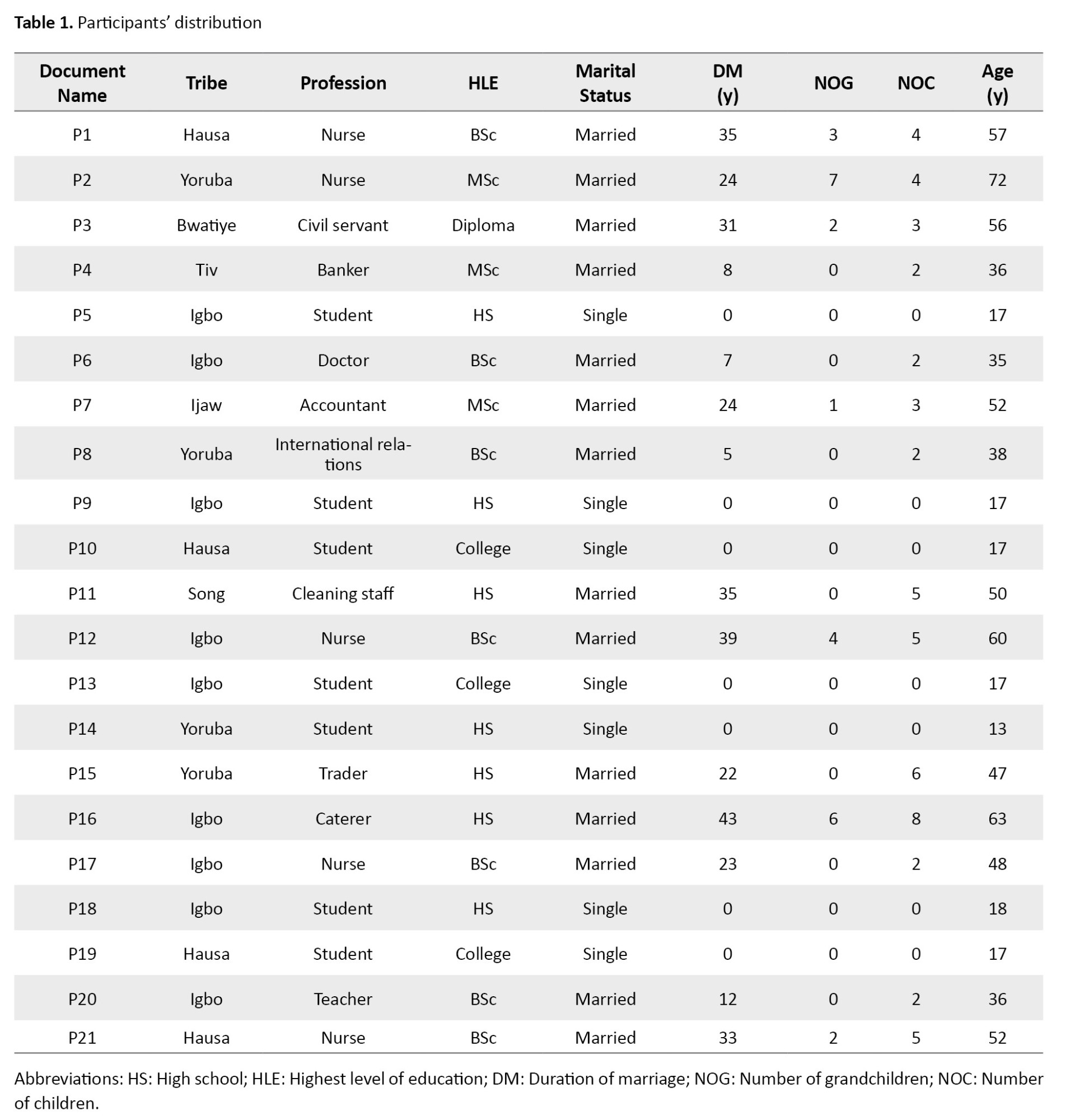
Purposeful sampling was used to select 21 participants from three generations for this study. Participants with a deep understanding of the study’s subject were selected using a non-probability sampling method. Participants came from a variety of professions, including teachers, traders, and other skilled workers. Every participant had at least a secondary education and knew at least two Nigerian languages. The three generations are as follows: grandmothers (n=7), aged 55 years and above; mothers (n=7), aged 30–54 years; children/adolescents (n=7), aged 10–19 years. See more details in Table 1.
Data collection tools
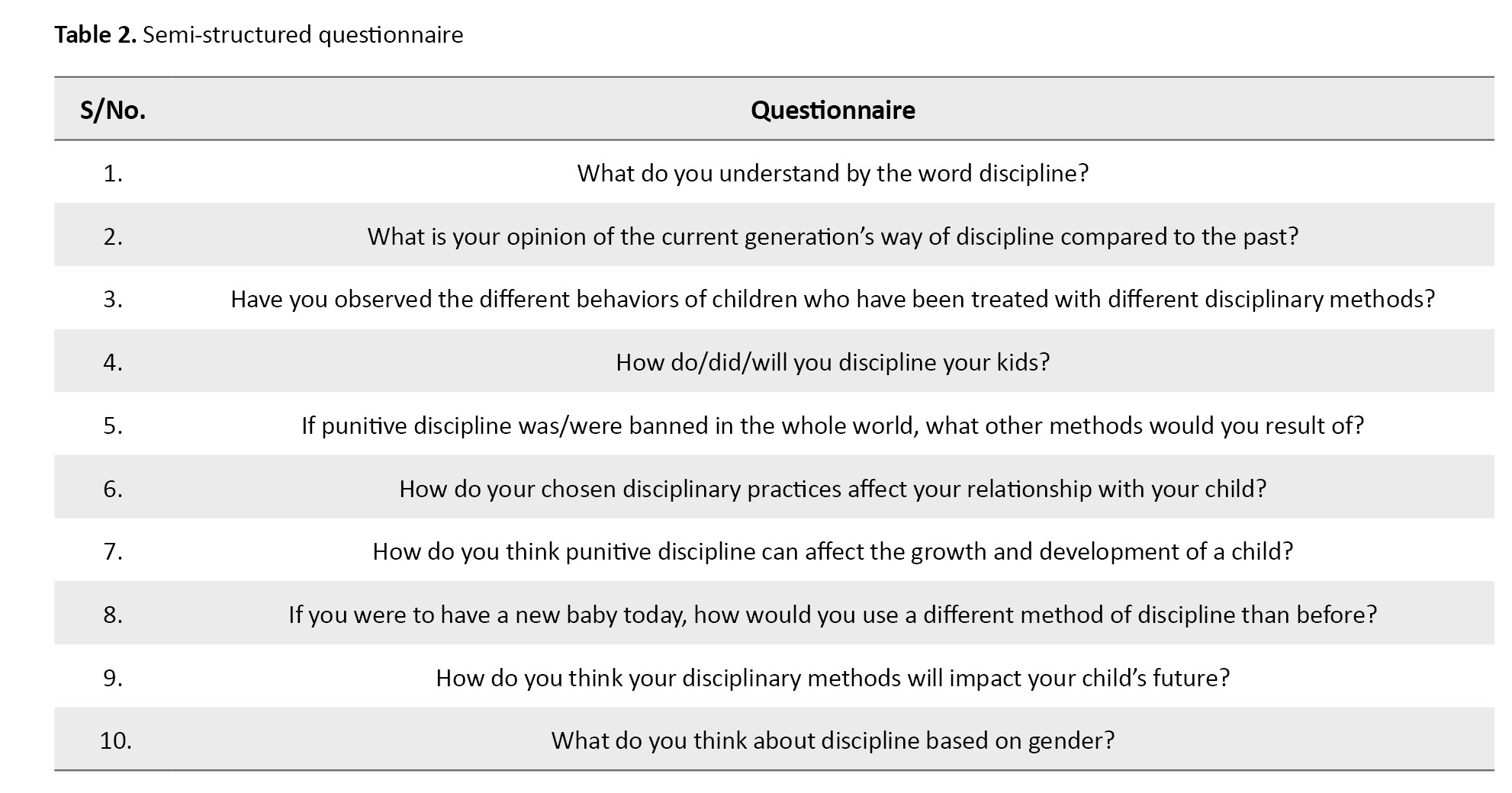
A semi-structured questionnaire comprising 10 questions (Table 2) was developed by an academic expert and subsequently validated by two researchers and a subject-matter expert.
Based on their feedback, revisions were made to finalize the instrument.
Data collection procedures
Twenty-one interviews took place over two consecutive days, totalling 10.5 hours. Participants were initially informed of the study’s objective and topic. Oral consent was also requested before data collection, even though written consent had already been obtained. Participants’ definitions of discipline, preferred techniques, and perceived efficacy were investigated using a pretested interview guide designed for clarity. During the interviews, participants were instructed to use audio recorders. Nonverbal facilitation and clarification were used during sessions without using examples or tales to support participants’ statements. Each interview lasted approximately 30 minutes, but could be extended if participants shared additional valuable information.
Data analysis plan
The participants’ responses form the basis of the dataset used for this study. All the responses were deciphered and then analysed using Colaizzi method of descriptive phenomenological data analysis, which systematically reduces data to its core meanings [23]. The process included implementing the data, extracting significant statements, formulating meanings, clustering themes, and generating a comprehensive description of the phenomenon. MAXQDA Analytics Pro 2022, a multilingual software used for both qualitative and expert reporting and mixed-methods data analysis, was used because it allows the encoding of text and audio-visual files.
Rigour and trustworthiness
The trustworthiness of the qualitative findings was ensured using the standard criteria of credibility, transferability, and dependability. Credibility was achieved through member checks (presenting initial findings to participants) and prolonged engagement with the data. Transferability was ensured by providing a thick description of the methodology and setting, and dependability by maintaining an audit trail of all research steps.
Results
The coded data were organized into 4 main categories: the meaning of discipline, the evolution of discipline, discipline methods, and the effects of different disciplinary approaches. Each category was further subdivided into relevant subcategories (Table 3).
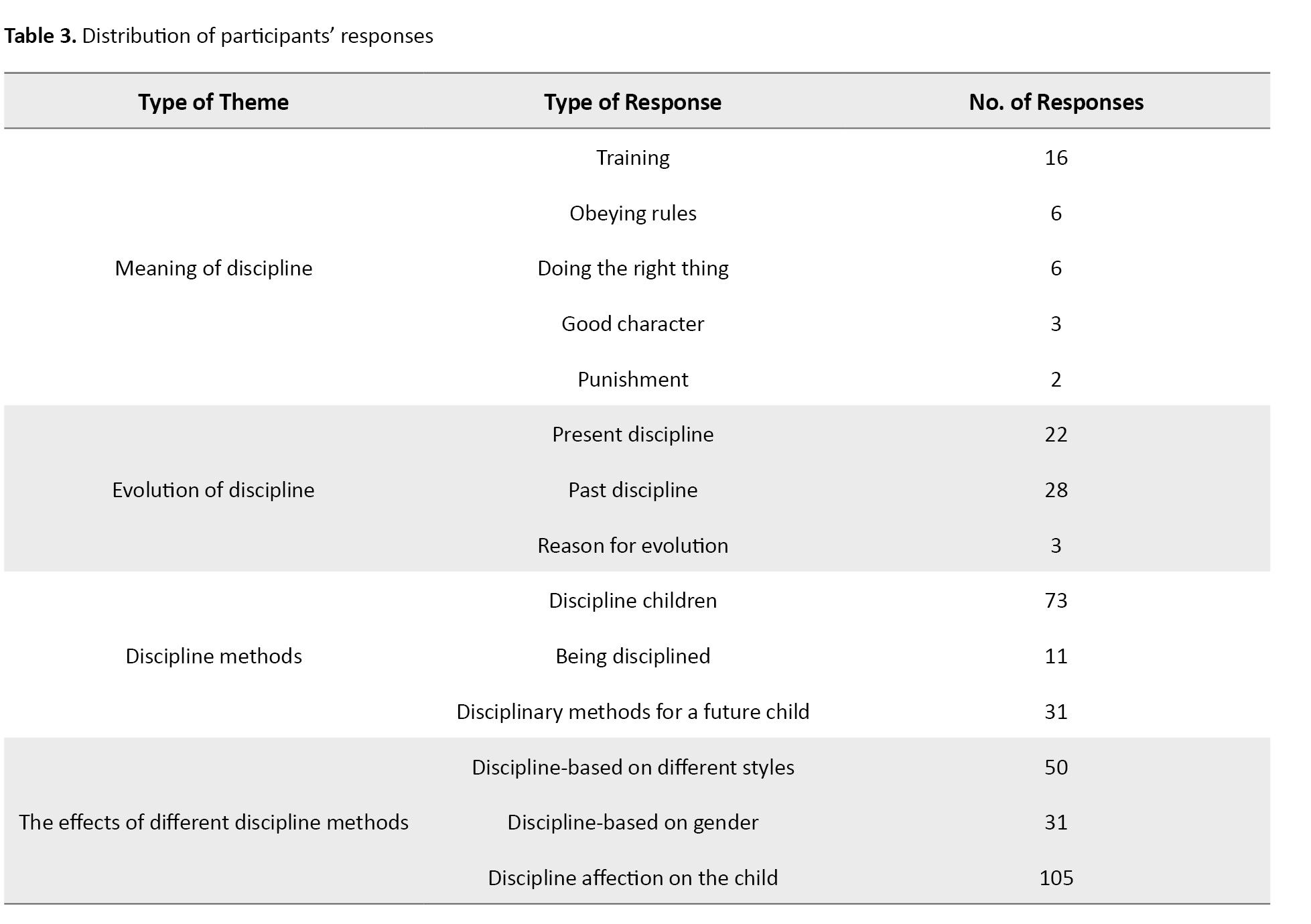
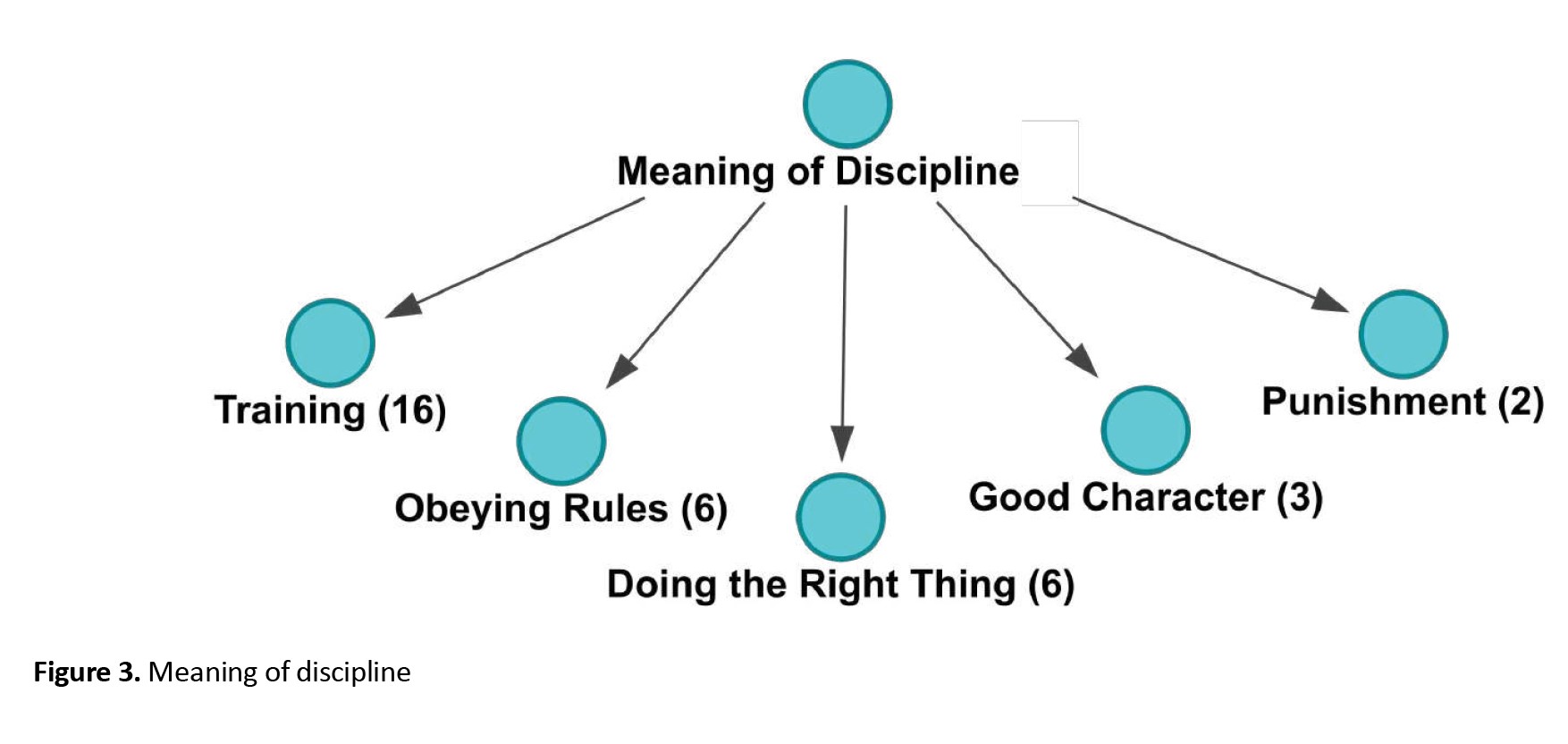
The results indicate that 48.5% of participants defined discipline as training children, while 18.2% described it as obeying rules and doing what is right (Figure 1).
Discipline is a mode of life in accordance with set rules and systematic instruction, given to a person or members of a group to follow a specified code of conduct [1]. It is a crucial aspect of socialization and adherence to societal norms. Child discipline is essential for socialization, which can guide publicly acceptable behavior in the community and foster good character to thrive [2].
In West Africa, particularly in Nigeria, disciplinary practices are rooted deeply in traditional beliefs, religion, and culture [3, 4]. Parents are often blamed for failing to discipline their children to meet societal standards, and a popular scriptural saying, “spare the rod and spoil the child,” is often enough to justify this practice. Traditionally, older generations believe that discipline should be rigid, with strict adherence to rules and regulations, often enforced through physical punishment [5]. This strategy is considered successful in residential and educational settings where parents and instructors hold substantial influence. The prevalence of corporal punishment has raised international concerns from global organizations and child welfare advocates [6]. The fundamental idea is that if children are not disciplined with physical punishment, they may grow up to be spoiled, but physical punishment teaches people to be responsible [7].
Research has also shown that long-standing evidence of punitive discipline is associated with negative long-term developmental and psychological outcomes for children [8-10]. In remote ethnic communities, where customary beliefs are firmly held, discipline is linked to communal ideals. People see discipline as a shared duty that extends beyond parents; elders in society are crucial in rectifying misbehavior [7]. Children have a strong sense of duty to their families and communities as a result of this collaborative approach, which upholds established societal standards. Even though the children are raised with rigorous discipline, the middle-aged generation has begun to question the effectiveness of such approaches after being exposed to proper education and Western beliefs. They retain many aspects of the strictness they experienced, even though they have recognized the growing need to engage in conversations with children. Because verbal reprimands promote obedience and cognitive and emotional growth, they are chosen over excessively severe ones. In the present society, where most parents are millennials, discipline is viewed differently. This generation is impacted by global trends and the increasing acceptance of non-physical disciplinary methods [11]. In recent years, concepts like time-outs, positive reinforcement, and clearly defined boundaries are more prevalent than the physical punishment used in previous generations [11].
Additionally, the way that people view discipline today has been profoundly influenced by social media and the rapid advancement of technology [12]. Users can access parenting websites and international viewpoints on discipline through social media. There have been difficulties with this change, nonetheless. For example, older generations consider these approaches to be too lenient. They are concerned about the supposed lack of respect and discipline among today’s youth, traits that were important in earlier generations. Secondly, because parents find it challenging to balance multiple obligations and maintain consistent routines, the fast-paced urban lifestyle has affected disciplinary approaches. Some argue that, while contemporary methods may be more compassionate, they may lack the resolve needed for successful enforcement.
There are various disciplines based solely on the pragmatic, moral, and cultural components of life. In practical terms, discipline focuses on how each child responds differently and whether it is beneficial for raising children. Morally, discipline respects children as human beings and shields society against abuse [13]. Culturally, the question is who should raise the child, the family or society as a whole, and how much autonomy the family has in relation to the child [14].
Numerous studies have been carried out in Nigeria, focusing on the use of physical discipline in schools and homes and the effects observed by teachers and parents [7, 4, 15]. While these studies show the prevalence of different disciplinary techniques, a critical gap remains in the literature. If any, very few studies have explored the intergenerational evolution of these disciplinary practices by documenting experiences of those directly involved. Understanding the philosophy of discipline across these three generations is crucial to mapping the shifting social and cultural norms that influence child-rearing. By identifying the barriers to adopting non-punitive methods in modern Nigerian society, this study explores perceptions and lived experiences to provide a framework for health education interventions and for promoting effective parenting practices.
Literature review
Meanwhile, studies have shown that perceptions of discipline differ across many centuries and civilisations. First-generation Korean American parents perceive spanking as the ultimate way to address the misbehavior of young ones [16]. Korean American cultural practices have influenced this type of discipline. However, contemporary methods, especially in the academic environment, debunked this idea by prioritising altering perceptions and shifting away from punishing actions [17]. Also, research has shown that using physical punishment as a form of discipline can result in drastic trauma to the individual rather than promoting positive behavior in children [18]. For scholars, school administrators’ viewpoints on safety and discipline affect the implementation of school policies [19]. Perceptions of discipline may be influenced by generational variations since younger generations are more likely to question old beliefs about punishment and behavior control [20]. The significance of re-evaluating views of discipline is emphasised in conversations regarding the correlation between discipline and punishment [21]. Cultural, generational, and societal factors influence perceptions. It takes an extensive understanding of various perspectives to develop successful discipline techniques that support positive behavior and overall well-being in children and teenagers. Due to changing public attitudes towards child discipline, several religious systems have recently come under scrutiny because they see discipline as a kind of physical punishment [5]. The fundamental idea is that discipline and punishment are closely related, but it is crucial to consider how this perspective affects behavioural and emotional well-being [22]. In the end, ideas about discipline across generations are always changing, reflecting shifts in society’s values and perspectives. When transitioning to contemporary, effective approaches that emphasise building relationships and using positive reinforcement, it is important to consider the effects of punishment on children’s behavior and overall well-being.
This study assessed perceptions of discipline in Nigeria using participant responses. Determining the reasons behind the perspectives of the three generations is another goal of the study.
Materials and Methods
Research design
A qualitative, descriptive-phenomenological design was used to investigate how mothers, children, and grandmothers in Nigeria perceive discipline across generations. In-depth interviews were conducted with participants who met the inclusion criteria: they must be from Nigeria, be third-generation adolescents, and speak English. Understanding individuals’ actual experiences with discipline was determined using a phenomenological approach.
The interviews were conducted in person at the Nursing Auditorium, located on the third floor of the Petroleum Trust Fund (PTF) building at the University of Nigeria Teaching Hospital (UNTH), Enugu. The auditorium has a large seating capacity and is furnished with presentation-ready acoustic technology.
Sample population
Purposeful sampling was used to select 21 participants from three generations for this study. Participants with a deep understanding of the study’s subject were selected using a non-probability sampling method. Participants came from a variety of professions, including teachers, traders, and other skilled workers. Every participant had at least a secondary education and knew at least two Nigerian languages. The three generations are as follows: grandmothers (n=7), aged 55 years and above; mothers (n=7), aged 30–54 years; children/adolescents (n=7), aged 10–19 years. See more details in Table 1.
Data collection tools
A semi-structured questionnaire comprising 10 questions (Table 2) was developed by an academic expert and subsequently validated by two researchers and a subject-matter expert.
Based on their feedback, revisions were made to finalize the instrument.
Data collection procedures
Twenty-one interviews took place over two consecutive days, totalling 10.5 hours. Participants were initially informed of the study’s objective and topic. Oral consent was also requested before data collection, even though written consent had already been obtained. Participants’ definitions of discipline, preferred techniques, and perceived efficacy were investigated using a pretested interview guide designed for clarity. During the interviews, participants were instructed to use audio recorders. Nonverbal facilitation and clarification were used during sessions without using examples or tales to support participants’ statements. Each interview lasted approximately 30 minutes, but could be extended if participants shared additional valuable information.
Data analysis plan
The participants’ responses form the basis of the dataset used for this study. All the responses were deciphered and then analysed using Colaizzi method of descriptive phenomenological data analysis, which systematically reduces data to its core meanings [23]. The process included implementing the data, extracting significant statements, formulating meanings, clustering themes, and generating a comprehensive description of the phenomenon. MAXQDA Analytics Pro 2022, a multilingual software used for both qualitative and expert reporting and mixed-methods data analysis, was used because it allows the encoding of text and audio-visual files.
Rigour and trustworthiness
The trustworthiness of the qualitative findings was ensured using the standard criteria of credibility, transferability, and dependability. Credibility was achieved through member checks (presenting initial findings to participants) and prolonged engagement with the data. Transferability was ensured by providing a thick description of the methodology and setting, and dependability by maintaining an audit trail of all research steps.
Results
The coded data were organized into 4 main categories: the meaning of discipline, the evolution of discipline, discipline methods, and the effects of different disciplinary approaches. Each category was further subdivided into relevant subcategories (Table 3).
The results indicate that 48.5% of participants defined discipline as training children, while 18.2% described it as obeying rules and doing what is right (Figure 1).
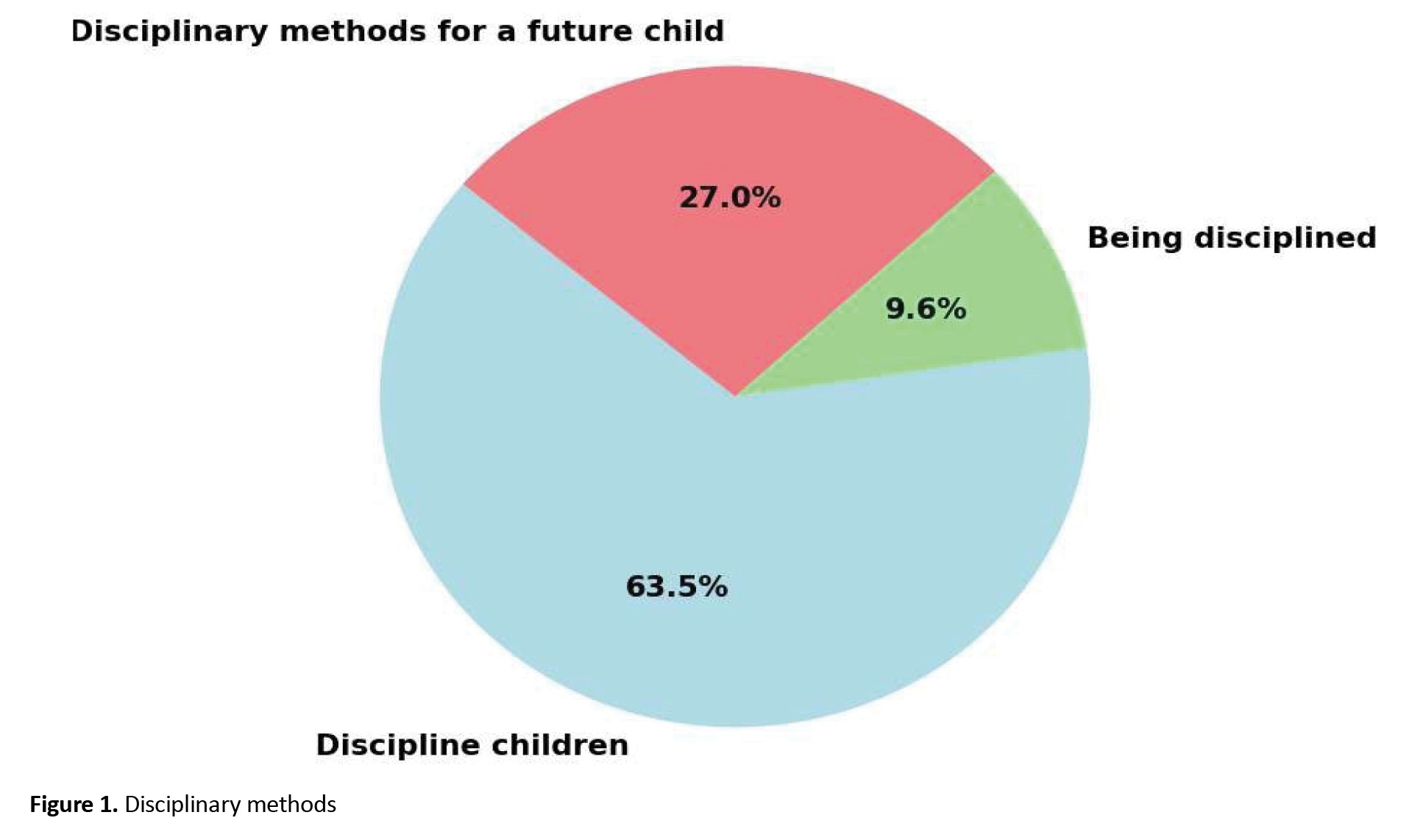
Regarding disciplinary methods, 63.5% of participants favoured continuing to discipline their children, and 27% believed that children should continue to be disciplined in the future.
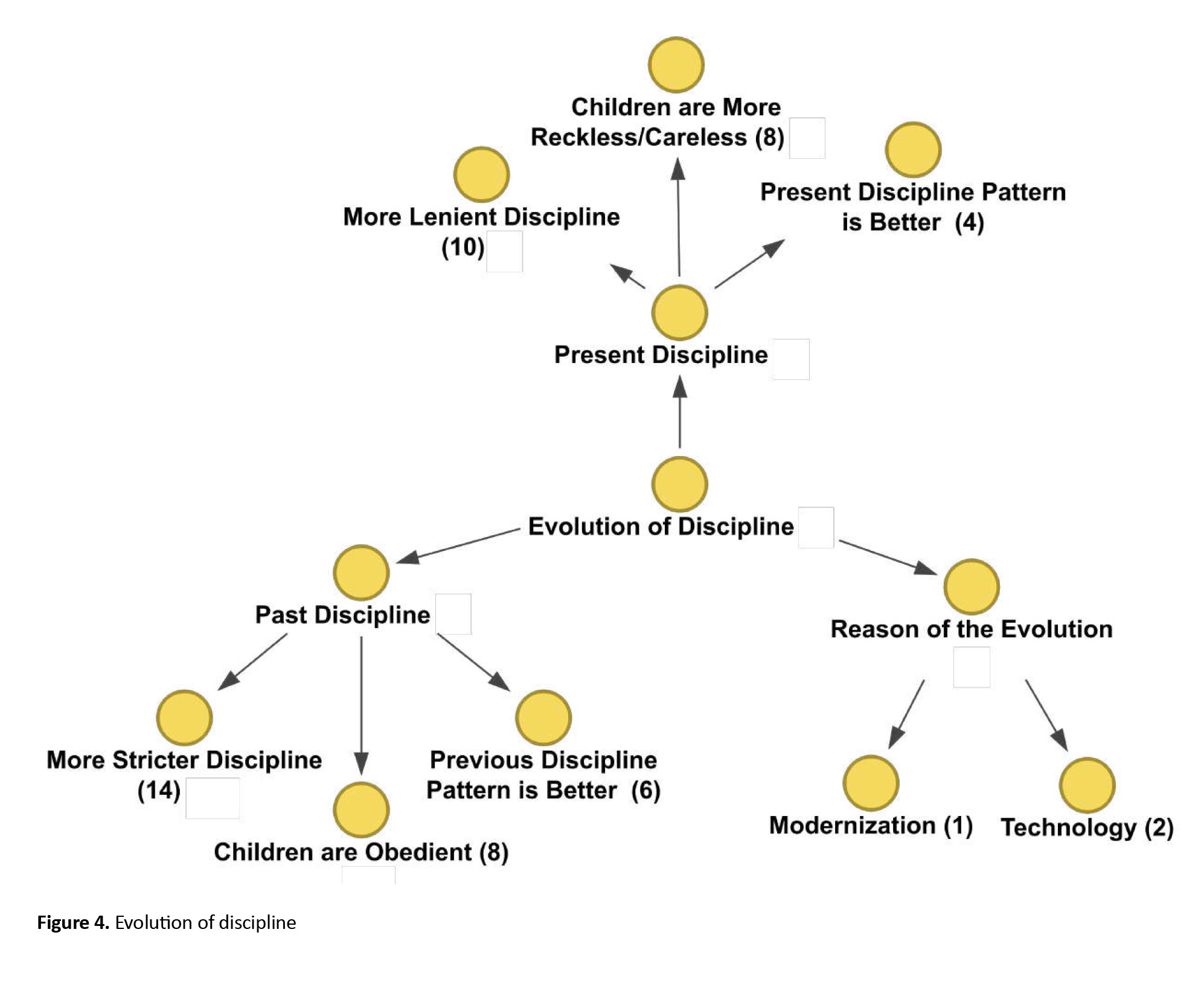
Regarding the evolution of discipline (Figure 2), 52.8% of participants indicated that past discipline was stricter and emphasized children’s obedience.
Regarding the evolution of discipline (Figure 2), 52.8% of participants indicated that past discipline was stricter and emphasized children’s obedience.
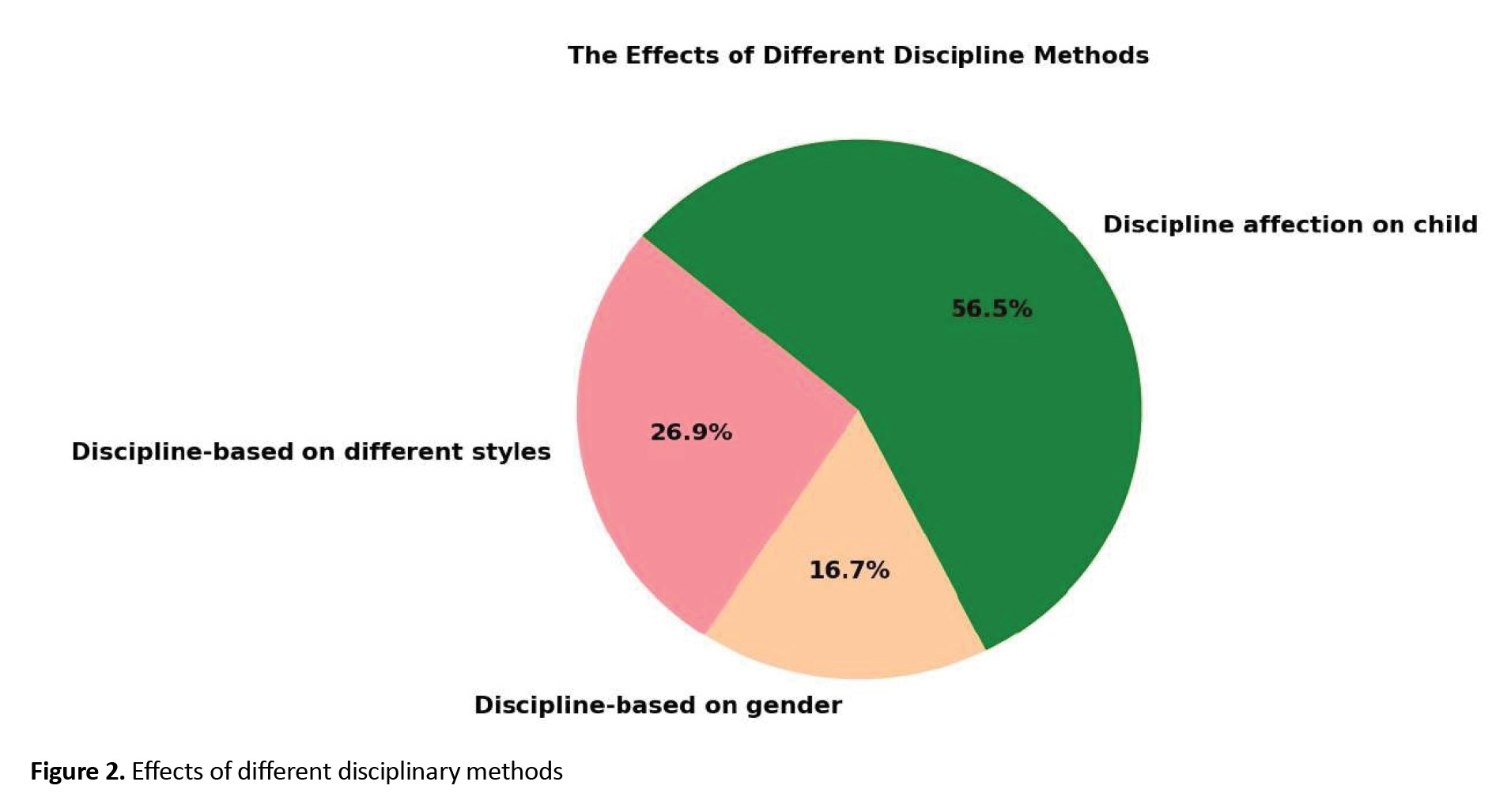
They also agreed that previous disciplinary patterns were better. In contrast, 5.6% of participants viewed discipline as evolving. Similarly, 41.5% agreed that parents will adopt more lenient disciplinary approaches in the future, which they believed would constitute an improvement. Results showed that 56.5% of participants believed discipline affects children, although the nature of this impact depends on the disciplinary style employed, as reported by 26.9% of respondents.
Meaning of discipline
In this theme, discipline was seen primarily as a means of guiding and training children. Most responses defined discipline as training children (48.5%), while others defined it as obeying rules (18.2%), doing the right things (18.2%), or developing good character (9.1%). A minority of the responses also defined discipline as punishment (6.1%).
These findings illustrate a primary shift towards developmental guidance, even seen among participants who employ stricter methods. One grandmother summarized her view:
“Discipline is not just beating. Discipline is a way of life, it is training the child, teaching them the right thing to do so that they can live well in society” (grandmother, Participant No. 12 [P. 12]).
Evolution of discipline
The study illustrated a strong generational perception that past disciplinary methods were superior to modern ones. About 52.8% of the participants reported that past discipline backed by strict enforcement and unquestioning child obedience was better than the present-day method.
In this theme, 41.5% of participants emphasized that the modern-day approaches were more lenient, suggesting a move towards alternative methods in the future. Only a small fraction of the participants (5.7%) said the changes were a simple neutral evolutionary trend.
Older-generation participants perceived past discipline as superior.
“The discipline we received made us responsible adults. It was tedious, but we learned respect. Now, the children are more reckless and careless” (mother, P. 7).
Discipline methods
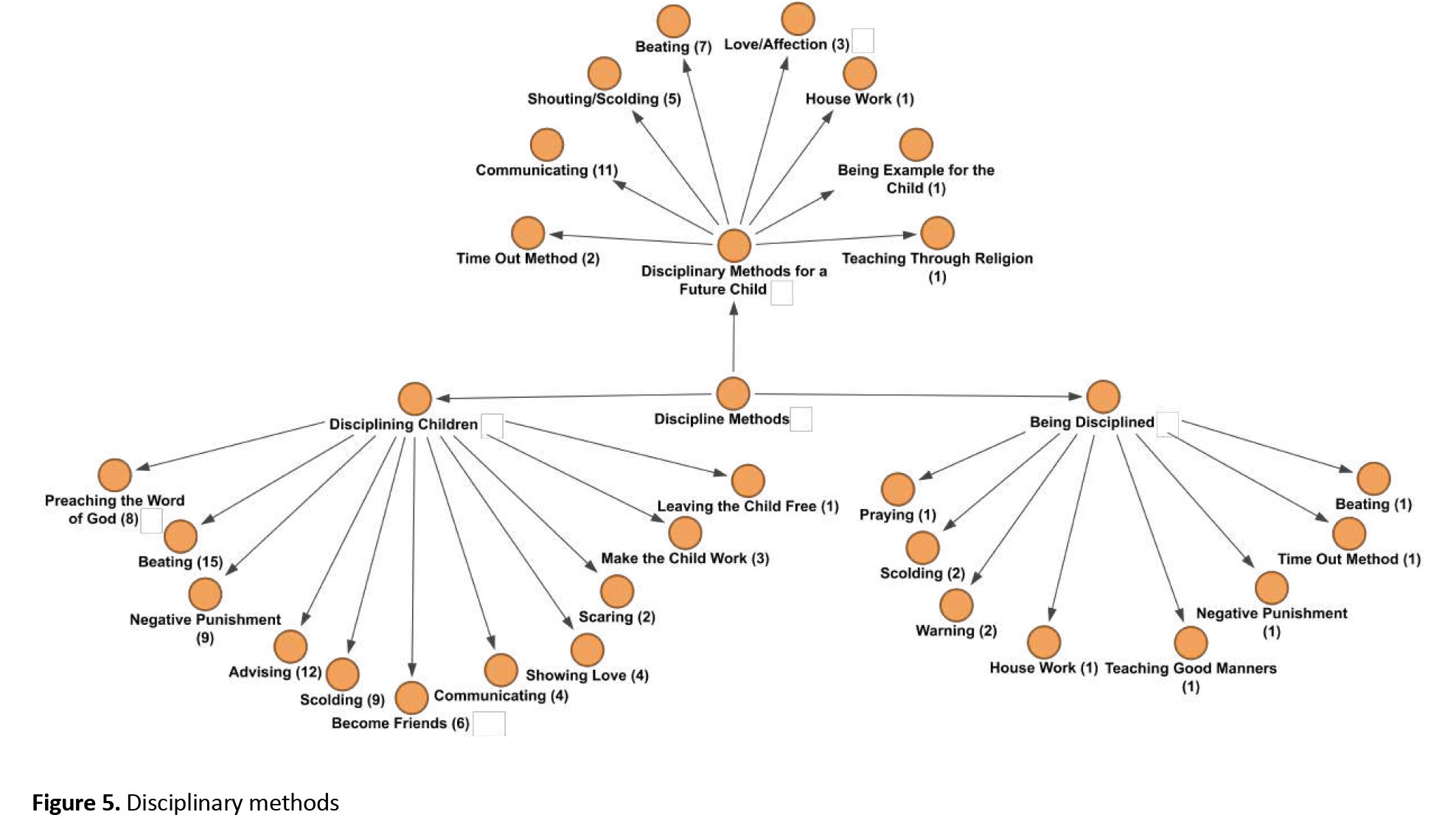
The illustration in Figure 1 showed that most participants (63.5%) actively disciplined their children. However, some focused on or intended to use different methods for a future child, indicating a strong desire to adopt non-physical methods of discipline.
Figure 1 illustrates the theme “discipline methods” and its corresponding subthemes, along with the percentage of participants’ responses.
The preferred methods shown in Figure 1 demonstrated an interplay between traditional and modern punitive methods. Methods like physical punishment (i.e. beating) and scolding were viewed as cultural and religious requirements, but were often combined with the following items:
Verbal admonition (advice combined with scolding or warning not to do something) and dialogue (this was seen by the middle generation to support cognitive and emotional growth, coupled with compliance).
Effects of different discipline methods
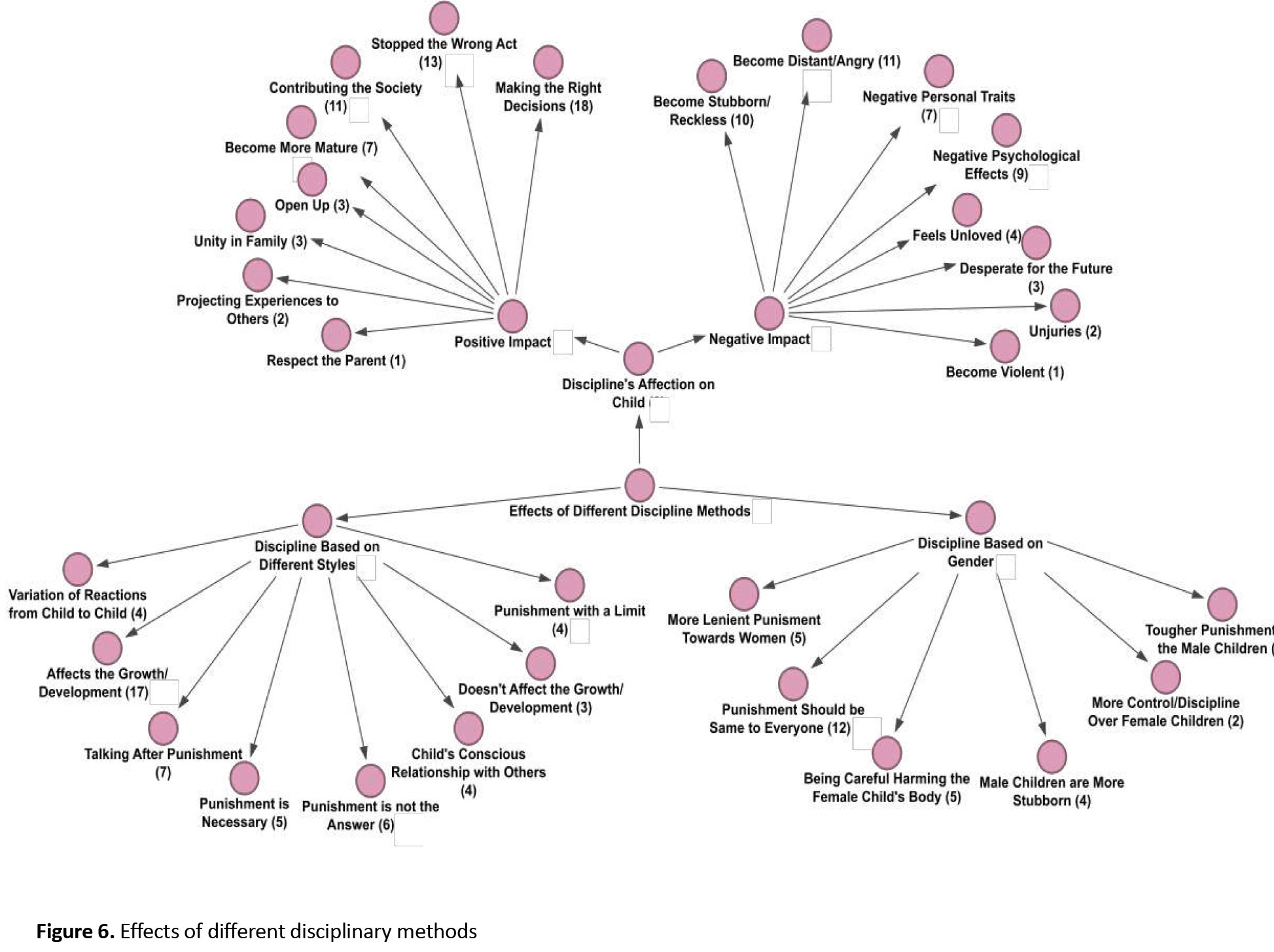
Regarding the impact of disciplinary approaches, 56.5% of participants (Figure 2) and responses indicated that discipline can greatly affect a child’s developmental growth. Another 6.9% noted that this solely depends on the style used.
Figure 2 illustrates the theme “effects of different discipline methods” and its corresponding subthemes, along with the percentage of participants’ responses.
Positive effects include immediate refraining from misbehavior and a good sense of responsibility and decision-making. Participants also noted that children who are good friends and show respect to parents and older people are disciplined.
Most participants from the younger generation also reported negative effects, such as emotional distance (children can become more distant and secretive with their parents about their personal affairs) and stubbornness (children who are always scolded or punished display a resistant attitude to disciplinary acts).
“When I get punished, I feel angry and unloved. Sometimes, I just hide things from my mother, so I don’t get in trouble again, even if it’s small” (adolescent, P. 18).
The Figures 3, 4, 5, and 6 visually represent the classification of subgroups, denoting the categories: meaning of discipline, evolution of discipline, discipline methods, and effects of different disciplinary approaches.
Meaning of discipline
In this theme, discipline was seen primarily as a means of guiding and training children. Most responses defined discipline as training children (48.5%), while others defined it as obeying rules (18.2%), doing the right things (18.2%), or developing good character (9.1%). A minority of the responses also defined discipline as punishment (6.1%).
These findings illustrate a primary shift towards developmental guidance, even seen among participants who employ stricter methods. One grandmother summarized her view:
“Discipline is not just beating. Discipline is a way of life, it is training the child, teaching them the right thing to do so that they can live well in society” (grandmother, Participant No. 12 [P. 12]).
Evolution of discipline
The study illustrated a strong generational perception that past disciplinary methods were superior to modern ones. About 52.8% of the participants reported that past discipline backed by strict enforcement and unquestioning child obedience was better than the present-day method.
In this theme, 41.5% of participants emphasized that the modern-day approaches were more lenient, suggesting a move towards alternative methods in the future. Only a small fraction of the participants (5.7%) said the changes were a simple neutral evolutionary trend.
Older-generation participants perceived past discipline as superior.
“The discipline we received made us responsible adults. It was tedious, but we learned respect. Now, the children are more reckless and careless” (mother, P. 7).
Discipline methods
The illustration in Figure 1 showed that most participants (63.5%) actively disciplined their children. However, some focused on or intended to use different methods for a future child, indicating a strong desire to adopt non-physical methods of discipline.
Figure 1 illustrates the theme “discipline methods” and its corresponding subthemes, along with the percentage of participants’ responses.
The preferred methods shown in Figure 1 demonstrated an interplay between traditional and modern punitive methods. Methods like physical punishment (i.e. beating) and scolding were viewed as cultural and religious requirements, but were often combined with the following items:
Verbal admonition (advice combined with scolding or warning not to do something) and dialogue (this was seen by the middle generation to support cognitive and emotional growth, coupled with compliance).
Effects of different discipline methods
Regarding the impact of disciplinary approaches, 56.5% of participants (Figure 2) and responses indicated that discipline can greatly affect a child’s developmental growth. Another 6.9% noted that this solely depends on the style used.
Figure 2 illustrates the theme “effects of different discipline methods” and its corresponding subthemes, along with the percentage of participants’ responses.
Positive effects include immediate refraining from misbehavior and a good sense of responsibility and decision-making. Participants also noted that children who are good friends and show respect to parents and older people are disciplined.
Most participants from the younger generation also reported negative effects, such as emotional distance (children can become more distant and secretive with their parents about their personal affairs) and stubbornness (children who are always scolded or punished display a resistant attitude to disciplinary acts).
“When I get punished, I feel angry and unloved. Sometimes, I just hide things from my mother, so I don’t get in trouble again, even if it’s small” (adolescent, P. 18).
The Figures 3, 4, 5, and 6 visually represent the classification of subgroups, denoting the categories: meaning of discipline, evolution of discipline, discipline methods, and effects of different disciplinary approaches.
The Figure 5 illustrates the “discipline methods” category, including the themes and their corresponding subthemes, along with the frequency of each subtheme in participants’ responses.
The Figure 6 illustrates the “effects of different discipline methods” category, including themes and their corresponding subthemes, along with the frequency of each subtheme in participants’ responses.
Discussion
This phenomenological study explores generational perceptions of discipline through responses from 21 participants representing diverse backgrounds. According to the findings, discipline can be understood in a variety of contexts, such as the process of teaching people how to behave properly, emphasizing laws, regulations, and positive character traits. According to 48.5% of respondents, discipline is not punishment but rather child instruction in the first findings. This finding is consistent with the developmental perspective raised in some research [1, 2]. To ensure their children behave properly and pursue the right path, parents use discipline techniques such as reprimands, counselling, and communication. Depending on each child’s needs, discipline can be delivered through various techniques or through punishment. 52.8% of respondents said that the previous, more stringent punishment was superior to the current practices. This preferred response for traditional and more rigorous disciplines is backed by several global studies, which show that older generations tend to consider physical punishment a necessary means to instil integrity, order, and respect, in line with religious and cultural demands. Children must learn to follow regulations (Figure 1) and uphold moral principles from their parents. As Table 2 illustrates, discipline is an essential component of parenting that helps children behave appropriately. Three subcategories were covered in the responses for the current discipline: the current disciplinary pattern, reckless or careless discipline, and more lenient discipline. Because they were responsible adults who valued order, respect, and accountability, the previous generation was seen as stricter. They favoured the physical punishments their parents used as a form of discipline.
The present generation is more reckless and careless, with children straying away from rules and aspiring to live each moment without restraint. They believe that both the old and present generations have one goal: proper upbringing. The inclination to be lenient was expressed by 41.5% of respondents, who believed that, given current global trends, discipline will be less severe [11].
In the past, discipline was more rigorous, with children being treated less kindly than in the present generation. The reasons for the evolution of discipline in the present generation include technology, which shapes how children are disciplined differently than in the past. Parents believed that physical punishment was the only solution to discipline, but it no longer works as children tend to repeat the same behavior. This reaction can be due to the familiarity of the parents’ punitive disciplinary approach. Modernization has also led to impoliteness among children, as they are more mannerless and less inclined to accept control. Both the past and present generations have their own approach to discipline; however, they all aim for proper upbringing.
To examine the evolution of discipline, we examined its past and present forms, which reveal a transitional phase in parenting in Nigeria. The respondents also shared their knowledge. They emphasized the driving force behind the discipline’s evolutionary trend. Some participants believed that modernization and technology are the reasons for the evolutionary trend in the discipline.
Participants believed that punitive measures during a child’s upbringing can promote timely decision-making and foster a sense of responsibility. Disciplined children are often seen as good friends, and parents can enjoy peace of mind. A study shows that punitive discipline is mostly viewed as a religious or cultural duty in low- and middle-income countries [5]. A total of 27% of respondents used “different methods for a future child,” suggesting a willingness to change and shift towards dialogue and verbal admonition, as valued by the middle generation.
As a crucial sector of the theoretical framework, such as social learning theory, 26.9% of participants recognized that the impact of discipline depends on the style used [18].
Opening up to others is another benefit of disciplined children, as parents can show their children how to make their actions good or bad and share their experiences with peers. Respecting the parent is another benefit of disciplined children. However, there are also negative consequences of disciplined children, such as becoming distant or angry, hiding certain aspects of their lives from their parents [22]. Parents should consider their children’s psychological well-being and take appropriate steps to ensure their children grow and develop well. Talking after punishment helps children develop good behavior and values, while using different disciplinary methods to address any concerns. Understanding the different styles of discipline in a child’s life is essential for supporting child development and fostering a more positive, responsible environment. Punishment with a limit is essential for maintaining a healthy relationship with a child, while punishment based on gender is not suggested. Female children should be disciplined respectfully, while male children should be disciplined more strictly. This finding contrasts with various studies that aim to protect all children from the negative effects of discipline, while considering ethical imperatives, moral and cultural expectations [13].
Another aspect of the discipline subsection is the effects of different disciplinary measures. The participants responded to the effects of different disciplinary styles, gender-based effects, and, above all, the positive or negative impact of discipline. Most participants believed that discipline affects a child’s developmental growth. Another participant believed that punishment is not necessary and is never the answer to discipline, as it can affect the child’s development. However, 12 participants believed that punishment should be applied to everyone, irrespective of sex. Disciplining a child affects the child positively or negatively. In societal views, the immediate stop of a bad act indicates the positive impacts of the disciplinary approach. Values in Figure 1 indicate that another positive impact of this is making the right decision. This result was supported by the majority of participants who reported positive effects of discipline on children. Despite the positive contribution to social growth, it helps children become more mature and, in some situations, relate their experiences to younger ones. Negatively, some children who are disciplined and scolded can become stubborn. They display a resistant attitude towards the disciplinary act, such as anger and feelings of being unloved.
Conclusion
In this study, almost every participant admitted that the discipline of the past was stricter than the current ways, marking a clear generational shift in Nigerian disciplinary norms. Some admitted that although the methods might be similar, the responses are not. Children have become bolder in expressing themselves and their feelings. Most grandmothers who referred to them as “computer generation children,” concluding that technology and peer association have influenced their behaviors. Some older generations blamed ‘modernization,’ saying that 21st-century parents adopt parenting practices peculiar to modern society.
Study limitations
Some limitations of this study include selection bias and geographic limitations. As a result of the inclusion and exclusion criteria, which may have introduced bias, the study relied on the female generation and provided no view of the male generation. Although the study included participants from the 3 largest tribes in Nigeria, hundreds of other tribes were left out due to the limited sample size.
Synthesis of key findings
This study revealed a distinct generational perception of discipline, with ‘training’ serving as the primary basis for this perception. The older generation’s determination to uphold cultural values led them to view previous discipline as being superior. The younger and middle generations, in contrast to the older generation, tend to adopt a more non-physical and lenient approach due to their exposure to current technologies and global modernisation, which offer new parenting philosophies. The unfavourable psychological and emotional impacts that children reported, including a variety of negative emotional outbursts, when subjected to harsh discipline, were among the study’s most significant findings. This finding presents an insightful, experience-based argument against corporal punishment, emphasising the need for alternative tactics, such as health education, that have a balanced impact to promote the child’s emotional health.
Contribution and implications
By investigating a unique intergenerational triological perspective on discipline-specific to African society, this study adds to the body of disciplinary literature. By comparing 3 generations and highlighting areas of cultural tension, the study illustrates the evolution of disciplinary procedures in Nigeria.
Regarding practice, the general perception that female children should be punished with more leniency than male children suggests an inclination to a harmful cultural gender bias. Health interventions must address this issue for non-punitive methods to be used uniformly.
Regarding the policy, there is an urgent need for culturally sensitive parent education programs in Nigeria. These programs should aim to moderately integrate traditional disciplines’ emphasis on respect with contemporary positive reinforcement techniques, without promoting physical or psychological punishment, while aligning cultural values with modern health education standards.
Recommendations for future research
Future research should be gender-balanced, involving fathers and grandfathers to capture the intergenerational perceptions of disciplinary practices within the male generation. Furthermore, a mixed-methods study would be valuable to quantify the correlation between specific parental disciplinary styles and objective measures of child developmental outcomes.
Ethical Considerations
Compliance with ethical guidelines
The research was approved by the Ethics Committee of Near East University, Nicosia, Turkish Republic of Northern Cyprus (Code: [NEU/2022/107-1624]). All participants provided written informed consent before participation. For minors (aged under 18), both guardian consent and the child’s assent were obtained. All procedures were performed in accordance with the ethical standards of the Institutional and or National Research Committee and the 1964 Helsinki Declaration and its later amendments, or with comparable ethical standards.
Funding
This research did not receive any grant from funding agencies in the public, commercial, or non-profit sectors.
Authors contributions
Conceptualization, resources, formal analysis and investigation, review and editing: All authors; Methodology and writing the original draft: Cynthia Edwin; Supervision: Candan Öztürk.
Conflict of interest
The authors declared no conflict of interest.
Acknowledgements
The authors thank their families and supervisor for their continuous love and support.
The Figure 6 illustrates the “effects of different discipline methods” category, including themes and their corresponding subthemes, along with the frequency of each subtheme in participants’ responses.
Discussion
This phenomenological study explores generational perceptions of discipline through responses from 21 participants representing diverse backgrounds. According to the findings, discipline can be understood in a variety of contexts, such as the process of teaching people how to behave properly, emphasizing laws, regulations, and positive character traits. According to 48.5% of respondents, discipline is not punishment but rather child instruction in the first findings. This finding is consistent with the developmental perspective raised in some research [1, 2]. To ensure their children behave properly and pursue the right path, parents use discipline techniques such as reprimands, counselling, and communication. Depending on each child’s needs, discipline can be delivered through various techniques or through punishment. 52.8% of respondents said that the previous, more stringent punishment was superior to the current practices. This preferred response for traditional and more rigorous disciplines is backed by several global studies, which show that older generations tend to consider physical punishment a necessary means to instil integrity, order, and respect, in line with religious and cultural demands. Children must learn to follow regulations (Figure 1) and uphold moral principles from their parents. As Table 2 illustrates, discipline is an essential component of parenting that helps children behave appropriately. Three subcategories were covered in the responses for the current discipline: the current disciplinary pattern, reckless or careless discipline, and more lenient discipline. Because they were responsible adults who valued order, respect, and accountability, the previous generation was seen as stricter. They favoured the physical punishments their parents used as a form of discipline.
The present generation is more reckless and careless, with children straying away from rules and aspiring to live each moment without restraint. They believe that both the old and present generations have one goal: proper upbringing. The inclination to be lenient was expressed by 41.5% of respondents, who believed that, given current global trends, discipline will be less severe [11].
In the past, discipline was more rigorous, with children being treated less kindly than in the present generation. The reasons for the evolution of discipline in the present generation include technology, which shapes how children are disciplined differently than in the past. Parents believed that physical punishment was the only solution to discipline, but it no longer works as children tend to repeat the same behavior. This reaction can be due to the familiarity of the parents’ punitive disciplinary approach. Modernization has also led to impoliteness among children, as they are more mannerless and less inclined to accept control. Both the past and present generations have their own approach to discipline; however, they all aim for proper upbringing.
To examine the evolution of discipline, we examined its past and present forms, which reveal a transitional phase in parenting in Nigeria. The respondents also shared their knowledge. They emphasized the driving force behind the discipline’s evolutionary trend. Some participants believed that modernization and technology are the reasons for the evolutionary trend in the discipline.
Participants believed that punitive measures during a child’s upbringing can promote timely decision-making and foster a sense of responsibility. Disciplined children are often seen as good friends, and parents can enjoy peace of mind. A study shows that punitive discipline is mostly viewed as a religious or cultural duty in low- and middle-income countries [5]. A total of 27% of respondents used “different methods for a future child,” suggesting a willingness to change and shift towards dialogue and verbal admonition, as valued by the middle generation.
As a crucial sector of the theoretical framework, such as social learning theory, 26.9% of participants recognized that the impact of discipline depends on the style used [18].
Opening up to others is another benefit of disciplined children, as parents can show their children how to make their actions good or bad and share their experiences with peers. Respecting the parent is another benefit of disciplined children. However, there are also negative consequences of disciplined children, such as becoming distant or angry, hiding certain aspects of their lives from their parents [22]. Parents should consider their children’s psychological well-being and take appropriate steps to ensure their children grow and develop well. Talking after punishment helps children develop good behavior and values, while using different disciplinary methods to address any concerns. Understanding the different styles of discipline in a child’s life is essential for supporting child development and fostering a more positive, responsible environment. Punishment with a limit is essential for maintaining a healthy relationship with a child, while punishment based on gender is not suggested. Female children should be disciplined respectfully, while male children should be disciplined more strictly. This finding contrasts with various studies that aim to protect all children from the negative effects of discipline, while considering ethical imperatives, moral and cultural expectations [13].
Another aspect of the discipline subsection is the effects of different disciplinary measures. The participants responded to the effects of different disciplinary styles, gender-based effects, and, above all, the positive or negative impact of discipline. Most participants believed that discipline affects a child’s developmental growth. Another participant believed that punishment is not necessary and is never the answer to discipline, as it can affect the child’s development. However, 12 participants believed that punishment should be applied to everyone, irrespective of sex. Disciplining a child affects the child positively or negatively. In societal views, the immediate stop of a bad act indicates the positive impacts of the disciplinary approach. Values in Figure 1 indicate that another positive impact of this is making the right decision. This result was supported by the majority of participants who reported positive effects of discipline on children. Despite the positive contribution to social growth, it helps children become more mature and, in some situations, relate their experiences to younger ones. Negatively, some children who are disciplined and scolded can become stubborn. They display a resistant attitude towards the disciplinary act, such as anger and feelings of being unloved.
Conclusion
In this study, almost every participant admitted that the discipline of the past was stricter than the current ways, marking a clear generational shift in Nigerian disciplinary norms. Some admitted that although the methods might be similar, the responses are not. Children have become bolder in expressing themselves and their feelings. Most grandmothers who referred to them as “computer generation children,” concluding that technology and peer association have influenced their behaviors. Some older generations blamed ‘modernization,’ saying that 21st-century parents adopt parenting practices peculiar to modern society.
Study limitations
Some limitations of this study include selection bias and geographic limitations. As a result of the inclusion and exclusion criteria, which may have introduced bias, the study relied on the female generation and provided no view of the male generation. Although the study included participants from the 3 largest tribes in Nigeria, hundreds of other tribes were left out due to the limited sample size.
Synthesis of key findings
This study revealed a distinct generational perception of discipline, with ‘training’ serving as the primary basis for this perception. The older generation’s determination to uphold cultural values led them to view previous discipline as being superior. The younger and middle generations, in contrast to the older generation, tend to adopt a more non-physical and lenient approach due to their exposure to current technologies and global modernisation, which offer new parenting philosophies. The unfavourable psychological and emotional impacts that children reported, including a variety of negative emotional outbursts, when subjected to harsh discipline, were among the study’s most significant findings. This finding presents an insightful, experience-based argument against corporal punishment, emphasising the need for alternative tactics, such as health education, that have a balanced impact to promote the child’s emotional health.
Contribution and implications
By investigating a unique intergenerational triological perspective on discipline-specific to African society, this study adds to the body of disciplinary literature. By comparing 3 generations and highlighting areas of cultural tension, the study illustrates the evolution of disciplinary procedures in Nigeria.
Regarding practice, the general perception that female children should be punished with more leniency than male children suggests an inclination to a harmful cultural gender bias. Health interventions must address this issue for non-punitive methods to be used uniformly.
Regarding the policy, there is an urgent need for culturally sensitive parent education programs in Nigeria. These programs should aim to moderately integrate traditional disciplines’ emphasis on respect with contemporary positive reinforcement techniques, without promoting physical or psychological punishment, while aligning cultural values with modern health education standards.
Recommendations for future research
Future research should be gender-balanced, involving fathers and grandfathers to capture the intergenerational perceptions of disciplinary practices within the male generation. Furthermore, a mixed-methods study would be valuable to quantify the correlation between specific parental disciplinary styles and objective measures of child developmental outcomes.
Ethical Considerations
Compliance with ethical guidelines
The research was approved by the Ethics Committee of Near East University, Nicosia, Turkish Republic of Northern Cyprus (Code: [NEU/2022/107-1624]). All participants provided written informed consent before participation. For minors (aged under 18), both guardian consent and the child’s assent were obtained. All procedures were performed in accordance with the ethical standards of the Institutional and or National Research Committee and the 1964 Helsinki Declaration and its later amendments, or with comparable ethical standards.
Funding
This research did not receive any grant from funding agencies in the public, commercial, or non-profit sectors.
Authors contributions
Conceptualization, resources, formal analysis and investigation, review and editing: All authors; Methodology and writing the original draft: Cynthia Edwin; Supervision: Candan Öztürk.
Conflict of interest
The authors declared no conflict of interest.
Acknowledgements
The authors thank their families and supervisor for their continuous love and support.
References
- Keiner E. ‘Rigour’, ‘discipline’ and the ‘systematic’: The cultural construction of educational research identities. European Educational Research Journal. 2019; 18(5):527-45. [DOI:10.1177/1474904118824935]
- Lesmana G, Deliati D. Parenting patterns based on character education against early childhood discipline. Indonesian Journal of Education. 2022; 1(1):18-24. [DOI:10.56495/ije.v1i1.176]
- Ajayi CE, Chantler K, Radford L. The role of cultural beliefs, norms, and practices in Nigerian women’s experiences of sexual abuse and violence. Violence Against Women. 2022; 28(2):465-86. [DOI:10.1177/10778012211000134] [PMID]
- Busari DA, Owojuyigbe MA, Okunola RA, Mekoa I. Cultural concepts employed in child discipline within rural Yoruba households: The Ayetoro-Oke African community. Rural Society. 2017; 26(2):161-77. [DOI:10.1080/10371656.2017.1340142]
- Lokot M, Bhatia A, Kenny L, Cislaghi B. Corporal punishment, discipline and social norms: A systematic review in low- and middle-income countries. Aggression and Violent Behavior. 2020; 55:101507. [DOI:10.1016/j.avb.2020.101507]
- Shawar YR, Shiffman J. A global priority: Addressing violence against children. Bulletin of the World Health Organization. 2021; 99(6):414. [DOI:10.2471/BLT.19.247874] [PMID]
- Kelly SA, Kyegombe N, Nnko S, Kahema J, Charles M, Bond V. Language, meaning and measure: Community perspectives and experiences of physical punishments and child protection landscapes in Tanzania. Child Abuse and Neglect. 2022; 129:105663. [DOI:10.1016/j.chiabu.2022.105663] [PMID]
- Zhang Y, Moon D, Zhang K, Yi Y. Does harsh parenting really harm? A systematic review of studies in China. Child Abuse Review. 2024; 33(3):e2873. [DOI:10.1002/car.2873]
- Svalin K, Levander MT, Levander S. Physical punishment in childhood and adolescence: Related factors and outcomes. Journal of Child and Adolescent Trauma. 2025; 18:1-7. [DOI:10.1007/s40653-025-00725-x] [PMID]
- Naghibeiranvand M, Allahverdi N, Valinejad S, Rezaei Z. Comparing factors predisposing women and men to drug addiction. Iranian Journal of Health Sciences. 2025; 13(1):31-42. [DOI:10.32598/ijhs.13.1.956.2]
- Cuartas J, McCoy DC, Grogan-Kaylor A, Gershoff E. Physical punishment as a predictor of early cognitive development: Evidence from econometric approaches. Developmental Psychology. 2020; 56(11):2013-26. [DOI:10.1037/dev0001114] [PMID]
- Aldahdouh TZ, Nokelainen P, Korhonen V. Technology and social media usage in higher education: The influence of individual innovativeness. SAGE Open. 2020; 10(1):2158244019899441. [DOI:10.1177/2158244019899441]
- Leijten P, Gardner F, Melendez-Torres GJ, Van Aar J, Hutchings J, Schulz S, et al. Meta-analyses: Key parenting program components for disruptive child behavior. Journal of the American Academy of Child and Adolescent Psychiatry. 2019; 58(2):180-90. [DOI:10.1016/j.jaac.2018.07.900] [PMID]
- Lansford JE. Annual research review: Cross-cultural similarities and differences in parenting. Journal of Child Psychology and Psychiatry. 2022; 63(4):466-79. [DOI:10.1111/jcpp.13539] [PMID]
- Okaforcha CC, Iloka CP. Disciplinary measures as correlates of students’ misbehaviour in public secondary schools in Anambra State. UNIZIK Journal of Educational Research and Policy Studies. 2025; 19(1):123-37. [Link]
- Kim L, Knudson-Martin C, Tuttle A. Transmission of intergenerational migration legacies in Korean American families: Parenting the third generation. Contemporary Family Therapy. 2019; 41(2):180-90. [DOI:10.1007/s10591-018-9485-7]
- Kraynak T. A modern approach to school discipline. Ohio: Worthington Christian School; 2023. [Link]
- Shantone J, Nunan R. Physical punishment on children as the onset of challenging behaviour in primary schools, South Africa: A systematic review. Perspectives in Education. 2025; 43(1):141-56. [DOI:10.38140/pie.v43i1.8204]
- Hein J. Insights into what influences school administrators to adopt a school dress code: An analysis of school administrators’ perceptions of safety, discipline, and student voice [PhD dissertation]. Oklahoma: University of Oklahoma; 2020. [Link]
- Masekela NA, Ngobeni ET, Sepeng P. Implementation of school safety policy in primary and secondary schools. Research in Educational Policy and Management. 2024; 6(1):11-31. [DOI:10.46303/repam.2024.2]
- Martin AE, Fisher-Ari TR, Kavanagh KM. “Our schools turned into literal police states.” Disciplinary power and novice teachers enduring a cheating scandal. Educational Studies. 2020; 56(3):306-29. [DOI:10.1080/00131946.2020.1745809]
- Silveira F, Shafer K, Dufur MJ, Roberson M. Ethnicity and parental discipline practices: A cross-national comparison. Journal of Marriage and Family. 2021; 83(3):644-66. [DOI:10.1111/jomf.12715]
- Praveena KR, Sasikumar S. Application of Colaizzi’s method of data analysis in phenomenological research. Medico Legal Update. 2021; 21(2):914-18. [DOI:10.37506/mlu.v21i2.2800]
Type of Study: Original Article |
Subject:
Nursing
Send email to the article author
| Rights and permissions | |
 |
This work is licensed under a Creative Commons Attribution-NonCommercial 4.0 International License. |

This is an open access article distributed under the terms of the Creative Commons Attribution License (CC-By-NC), which permits use, distribution, and reproduction in any medium, provided the original work is properly cited and is not used for commercial purposes.
Contact Information