Volume 14, Issue 2 (Spring 2026)
Iran J Health Sci 2026, 14(2): 85-108 |
Back to browse issues page



Ethics code: IR.MAZUMS.REC.1402.224


Download citation:
BibTeX | RIS | EndNote | Medlars | ProCite | Reference Manager | RefWorks
Send citation to:


BibTeX | RIS | EndNote | Medlars | ProCite | Reference Manager | RefWorks
Send citation to:
Jabari A, Fendereski A, Kouhi K, Hashempour Y. Assessing Microplastic Risks: A Systematic Review of Integrated Statistical Approaches to Source Identification and Evaluation. Iran J Health Sci 2026; 14 (2) :85-108
URL: http://jhs.mazums.ac.ir/article-1-1064-en.html
URL: http://jhs.mazums.ac.ir/article-1-1064-en.html


Department of Environmental Health Engineering, Health Sciences Research Center, Faculty of Health, Mazandaran University of Medical Sciences, Sari, Iran. , Y.Hashempour@mazums.ac.ir
Keywords: Environmental monitoring, Microplastics (MPs), Principal component analysis, Risk assessment, Water pollution
Full-Text [PDF 1953 kb]
(351 Downloads)
| Abstract (HTML) (1293 Views)
Risk of bias assessment
The methodological quality and risk of bias of the included studies were systematically evaluated using the National Heart, Lung, and Blood Institute (NHLBI) quality assessment tool for observational cohort and cross-sectional studies [27]. This tool was selected because most eligible studies employed observational designs using environmental sampling and quantitative analyses relevant to microplastic source identification and ecological or human health risk assessment.
The NHLBI checklist comprises 14 items addressing key domains of internal validity, including clarity of the research question, definition and representativeness of the study population or sampling framework, consistency of eligibility criteria, validity and reliability of exposure and outcome measurements, adequacy of the study timeframe, appropriateness of statistical analyses, and consideration of potential confounding factors. Each item was independently rated as yes, no, cannot determine, not reported, or not applicable in accordance with the NHLBI guidance. An overall methodological quality rating was then assigned to each study based on the collective assessment of internal validity and susceptibility to selection, information, measurement, and confounding bias. Studies were categorized as good (low risk of bias), fair (moderate risk of bias), or poor (high risk of bias). Quality assessment was conducted independently by two reviewers, and any discrepancies were resolved through discussion and consensus. To account for methodological heterogeneity, source identification and risk assessment studies were evaluated separately. Detailed quality assessment outcomes are provided in Supplementary Tables S1 and S2.
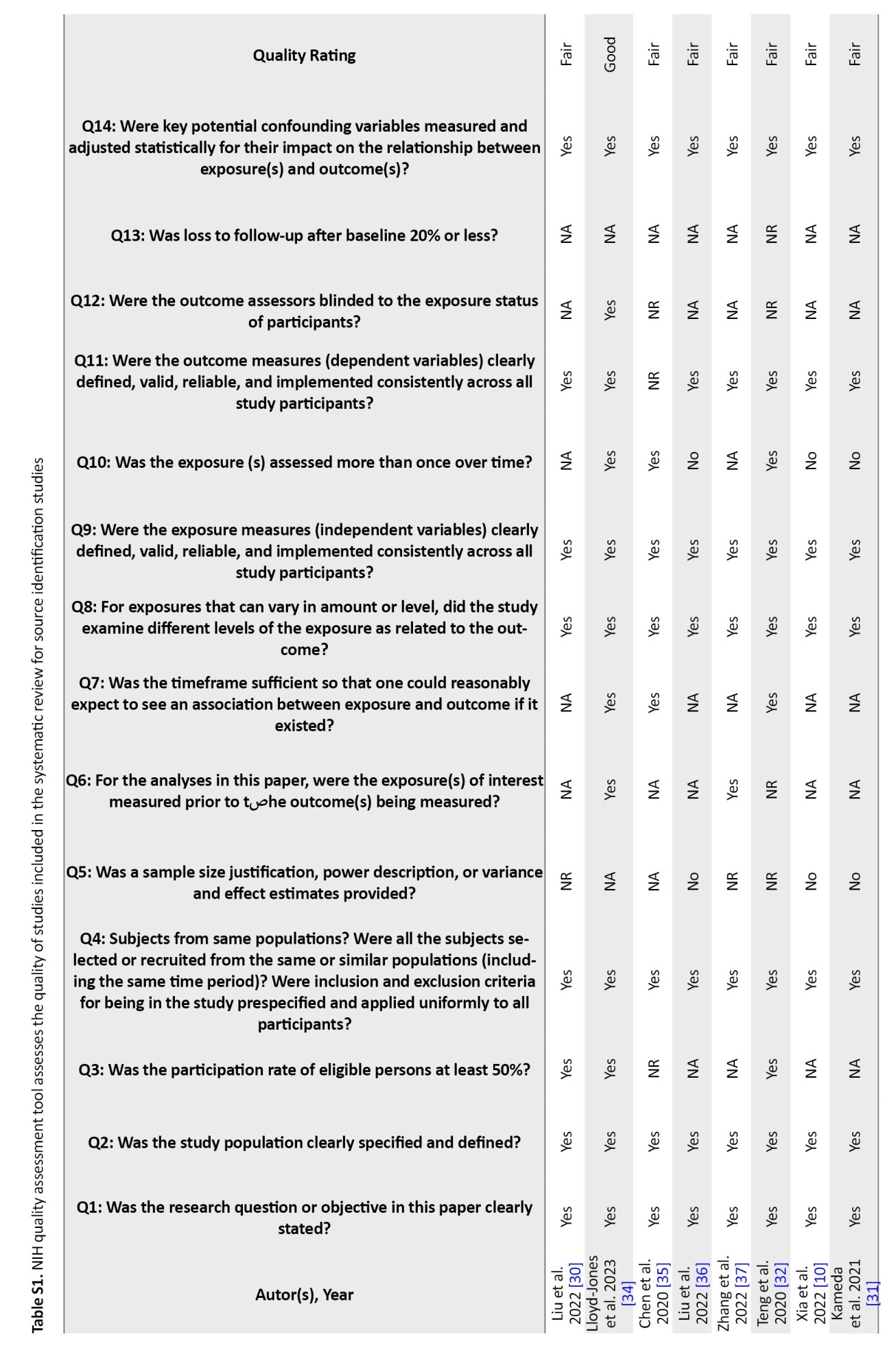
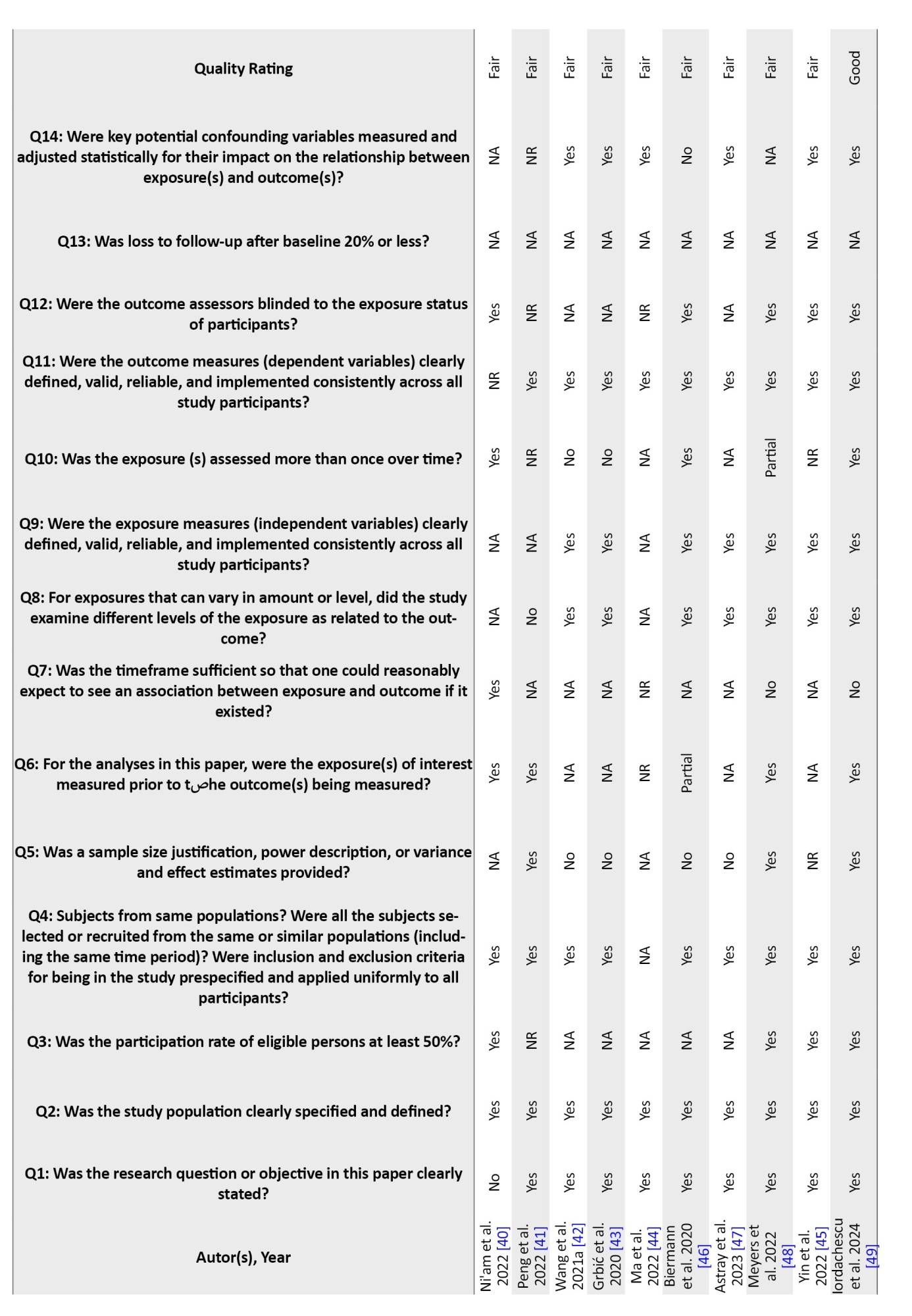
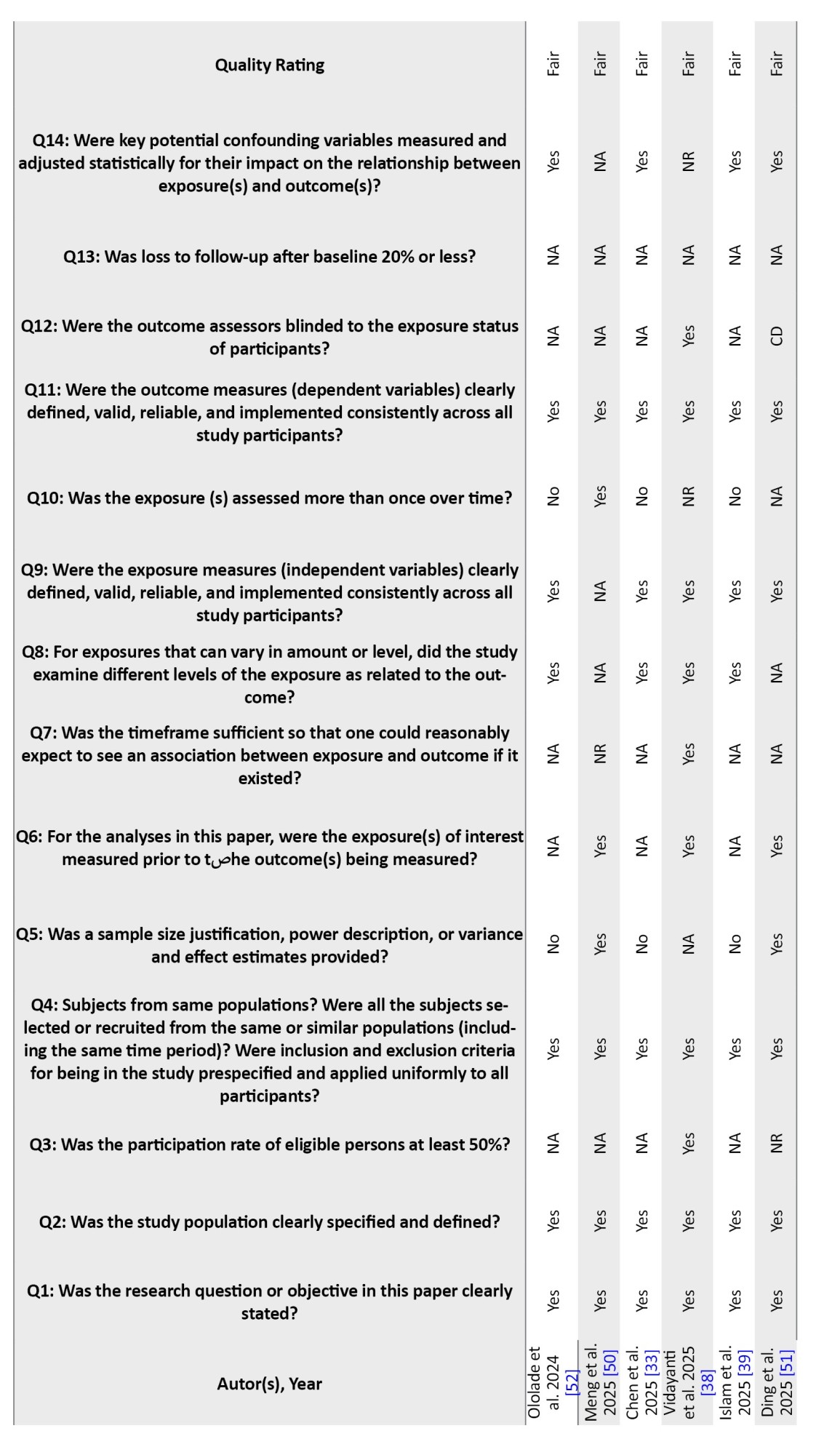
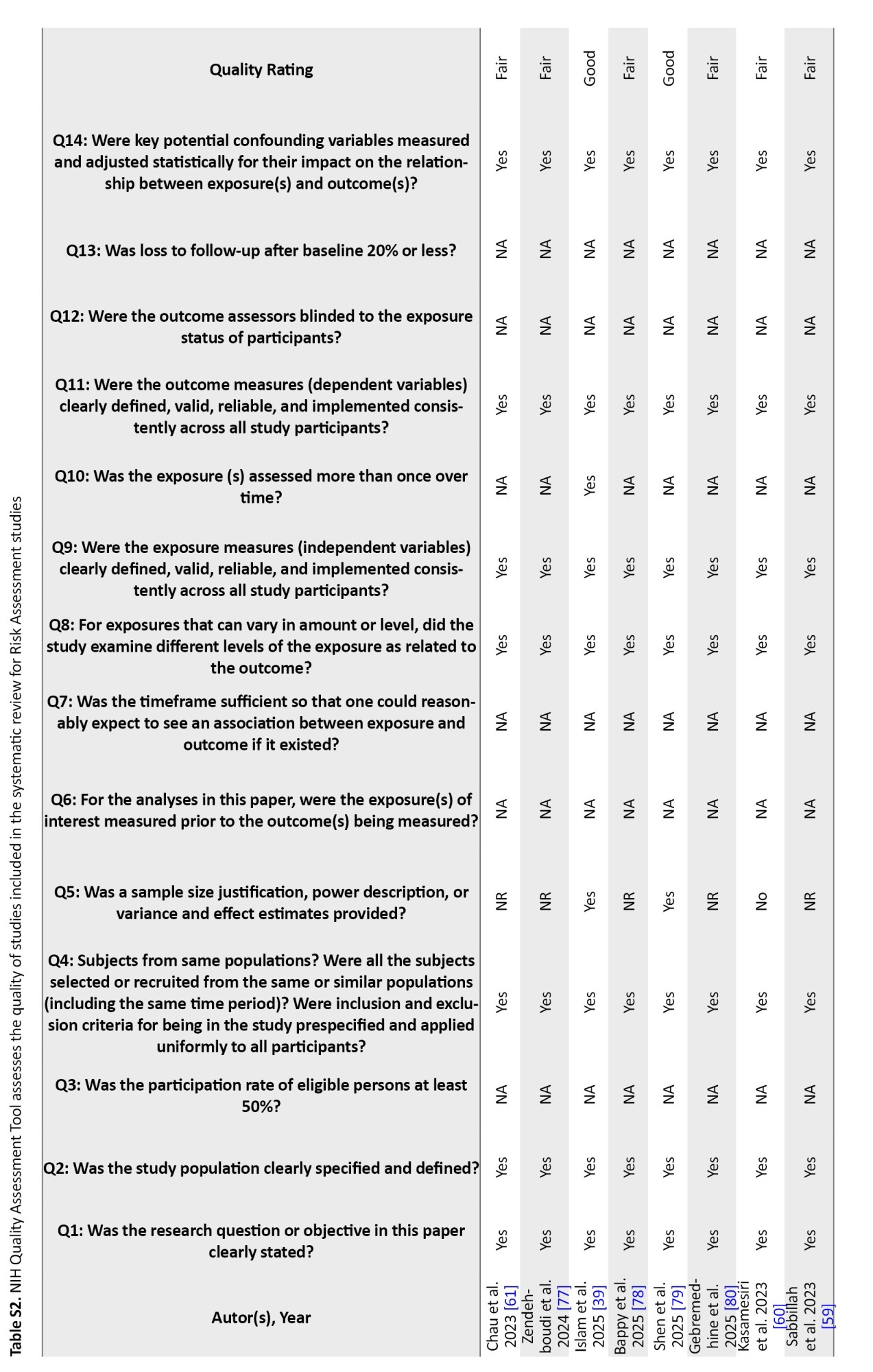
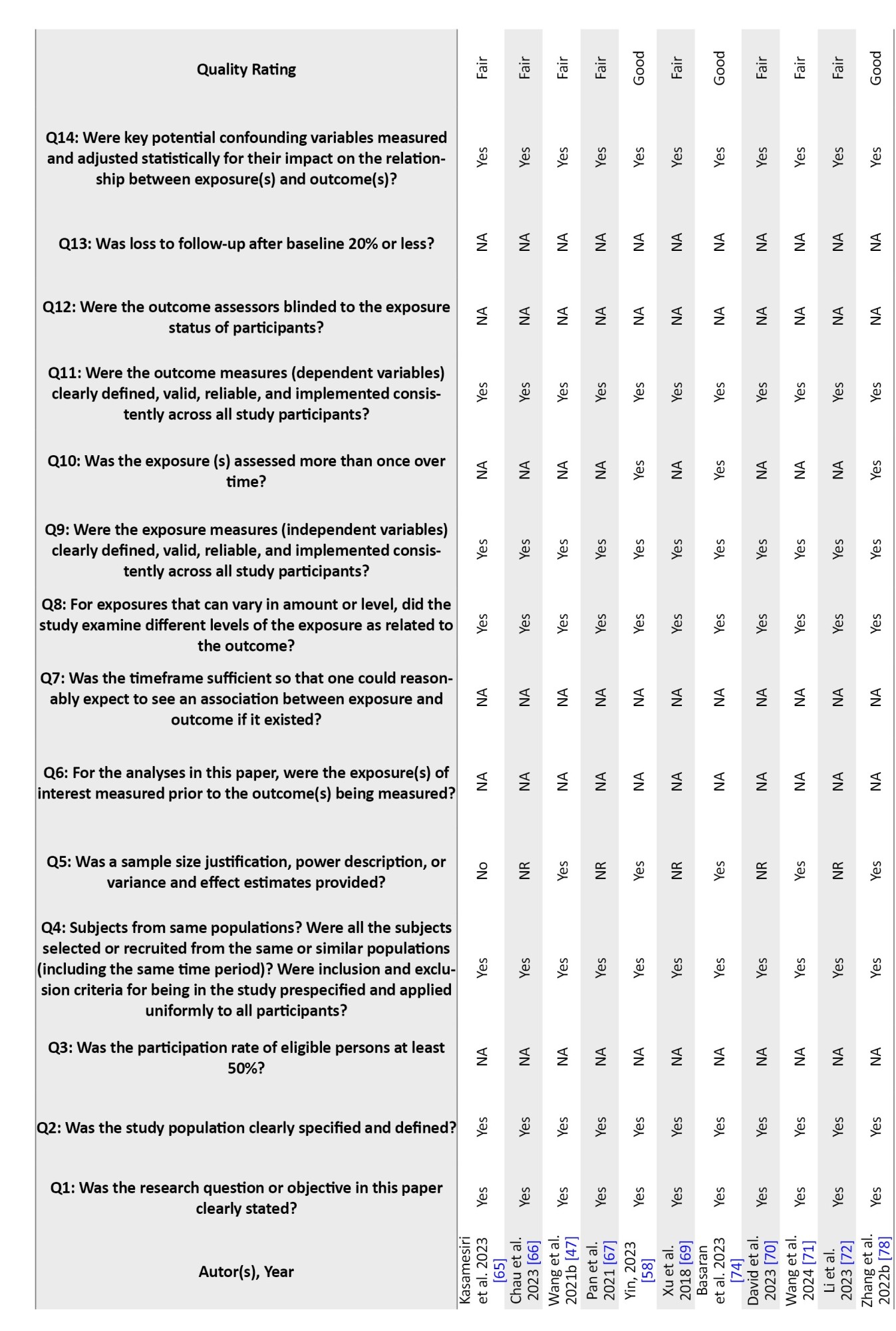
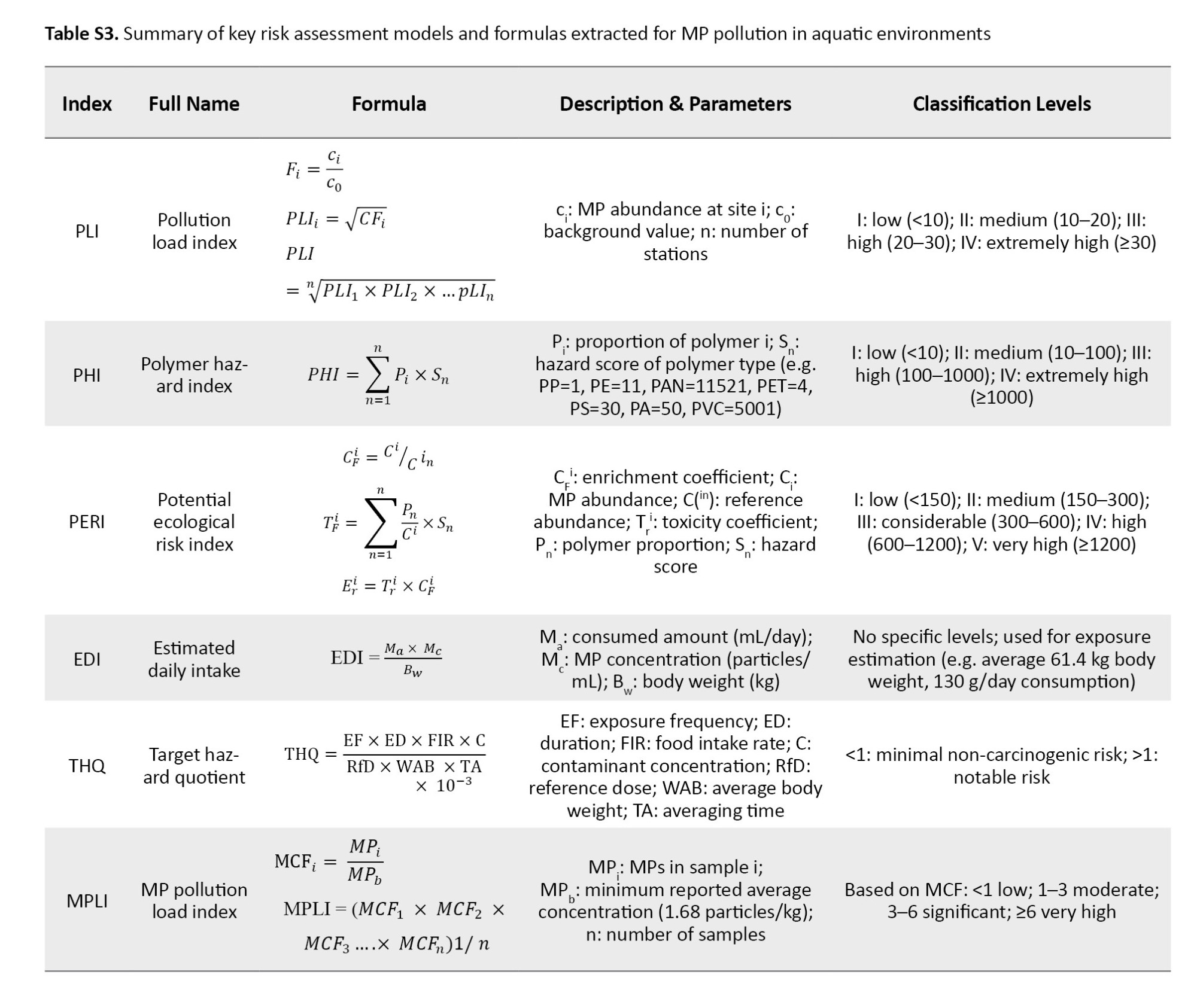
Table S1 includes 22 ‘fair’ and 2 ‘good’ quality assessments, while Table S2 contains 14 ‘fair’ and 5 ‘good’ quality assessments. Overall, most of the included studies were rated fair to good, indicating acceptable methodological rigor for synthesis and interpretation.
Results
Statistical methods for identifying MPs sources
Sources and contributions to MP pollution vary significantly across geographic and ecological contexts, underscoring the importance of localized investigations to inform targeted management strategies for aquatic systems [25, 29]. Multivariate statistical methods are instrumental in processing large environmental datasets, converting intricate information into actionable insights by revealing patterns in MP distribution, composition, and origins. Conventional exploratory techniques, such as PCA, CA, and HCA, are widely employed to identify dominant groupings and associations among MP characteristics [30-32]. To move beyond qualitative source interpretation, these techniques are frequently integrated with regression- and receptor-based frameworks, including PCA–multiple linear regression analysis (MLRA), absolute principal component scores–multiple linear regression (APCS-MLR), and positive matrix factorization (PMF), which enable quantitative estimation of relative source contributions [31-33].
In addition, hybrid statistical–machine learning approaches, such as PCA combined with random forest (PCA-RF), along with K-means clustering, decision trees, Naïve Bayes classifiers, MDS, and MCA, facilitate the identification of pollution sources while enhancing water quality assessments [23, 28, 25]. These approaches not only delineate the primary factors influencing aquatic systems but also support integrated risk evaluations, enabling policymakers to prioritize interventions based on empirical evidence.
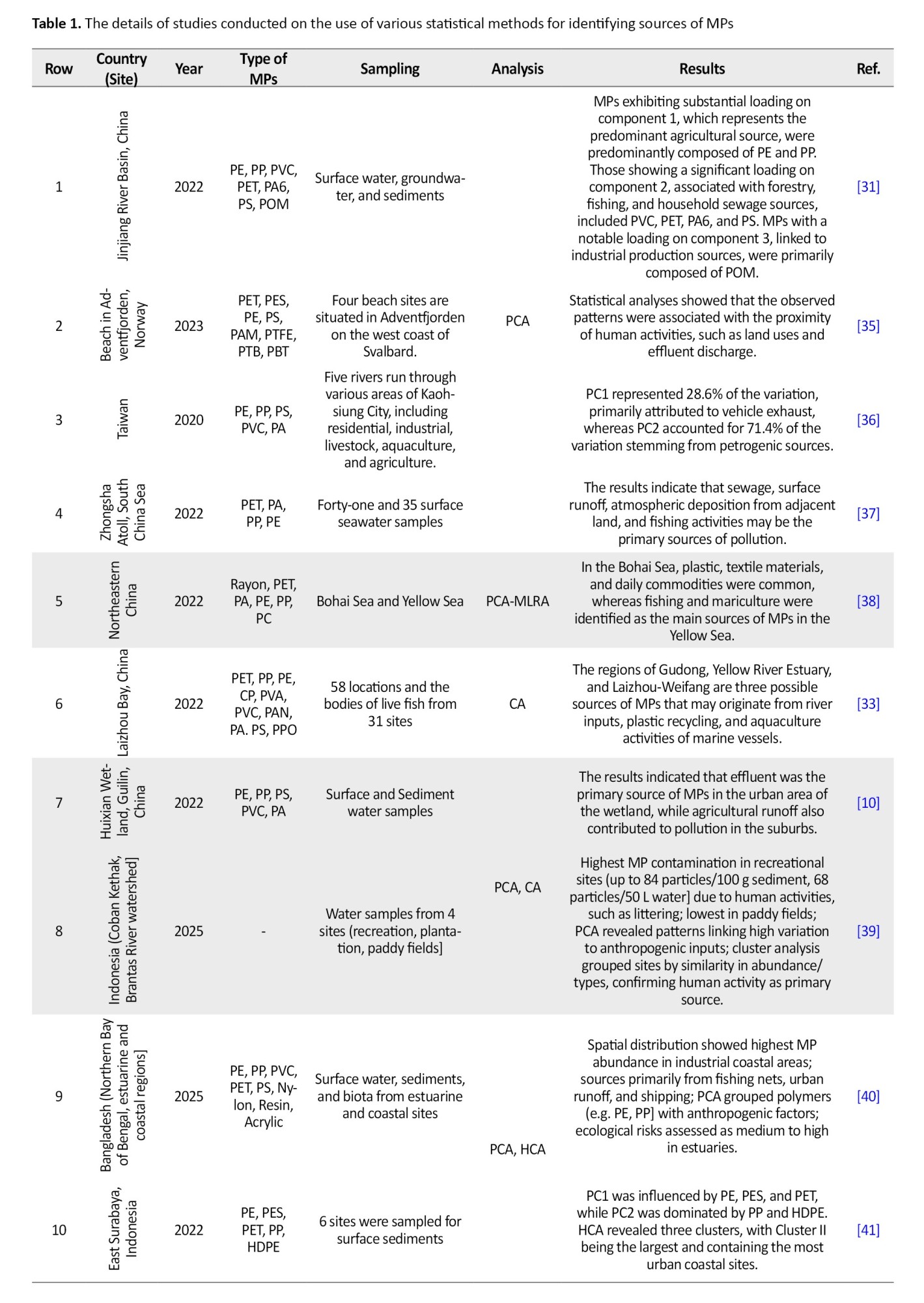
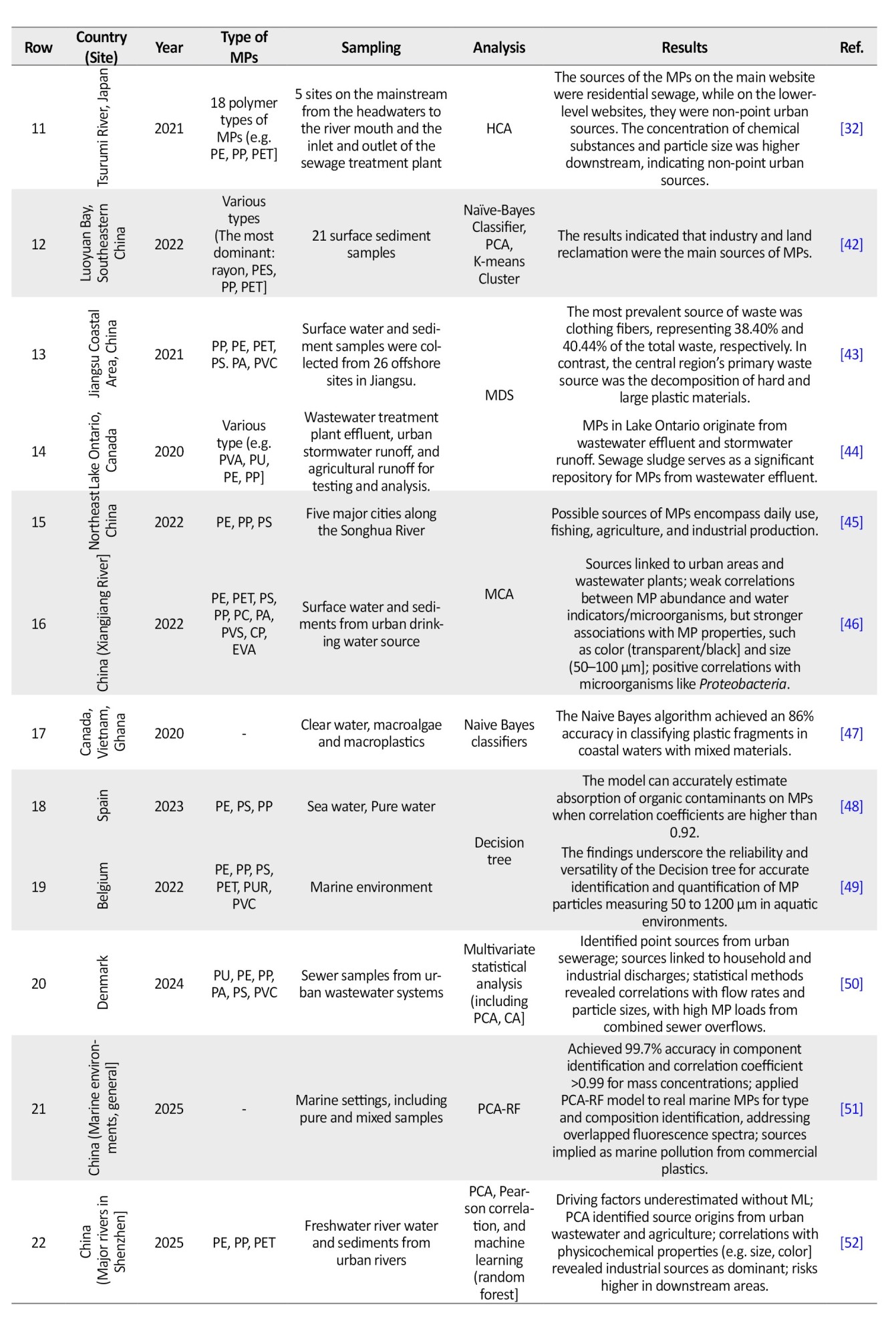
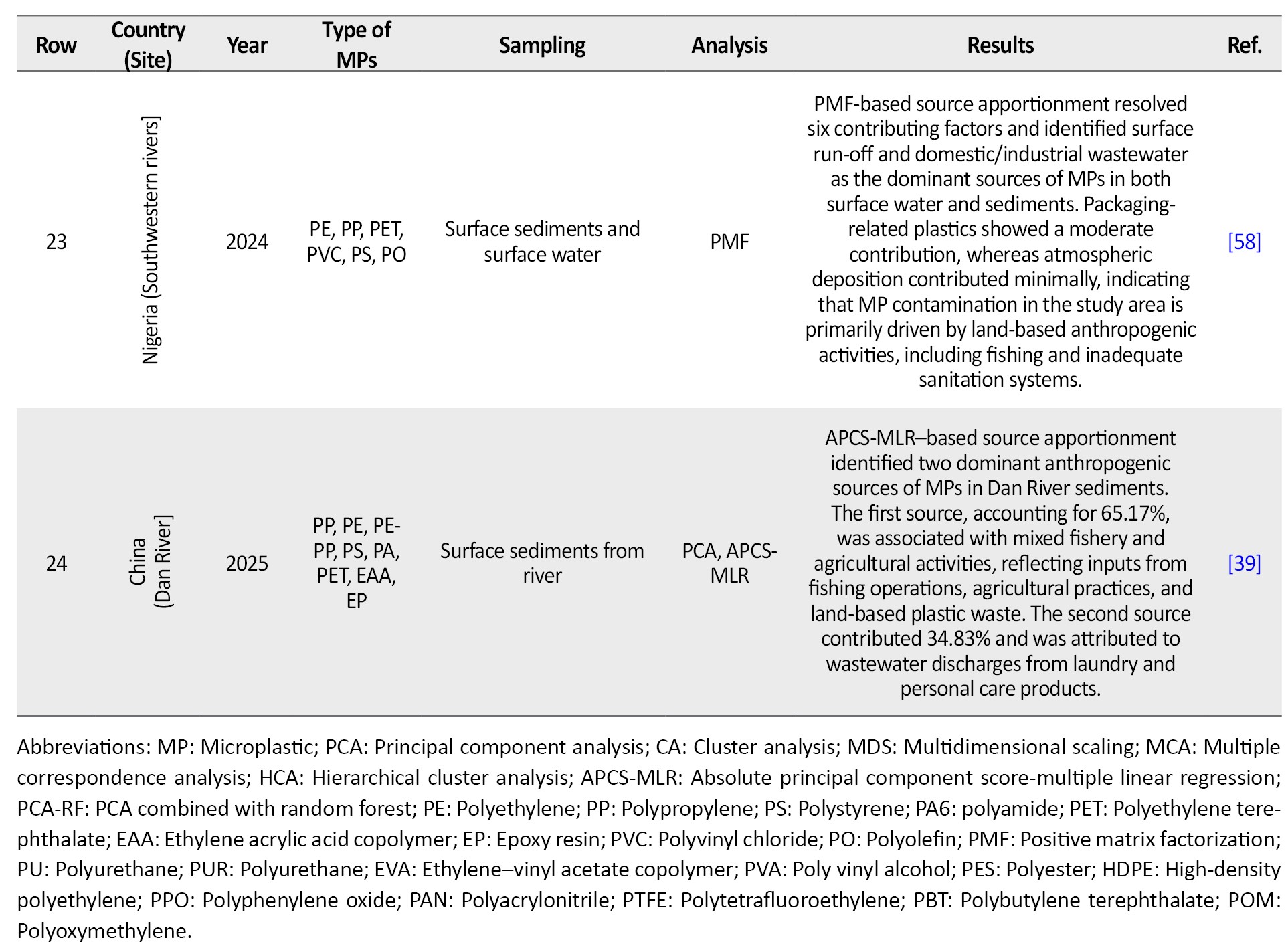
Table 1 presents a systematic overview of representative studies applying these multivariate statistical techniques, such as PCA, CA, and HCA for MP source identification, highlighting methodological approaches, investigated aquatic environments, and analytical tools employed.
Statistical analyses were predominantly performed using SPSS software, version 26 reflecting its widespread applicability in environmental data interpretation and source apportionment.
Geographical trends in source contributions
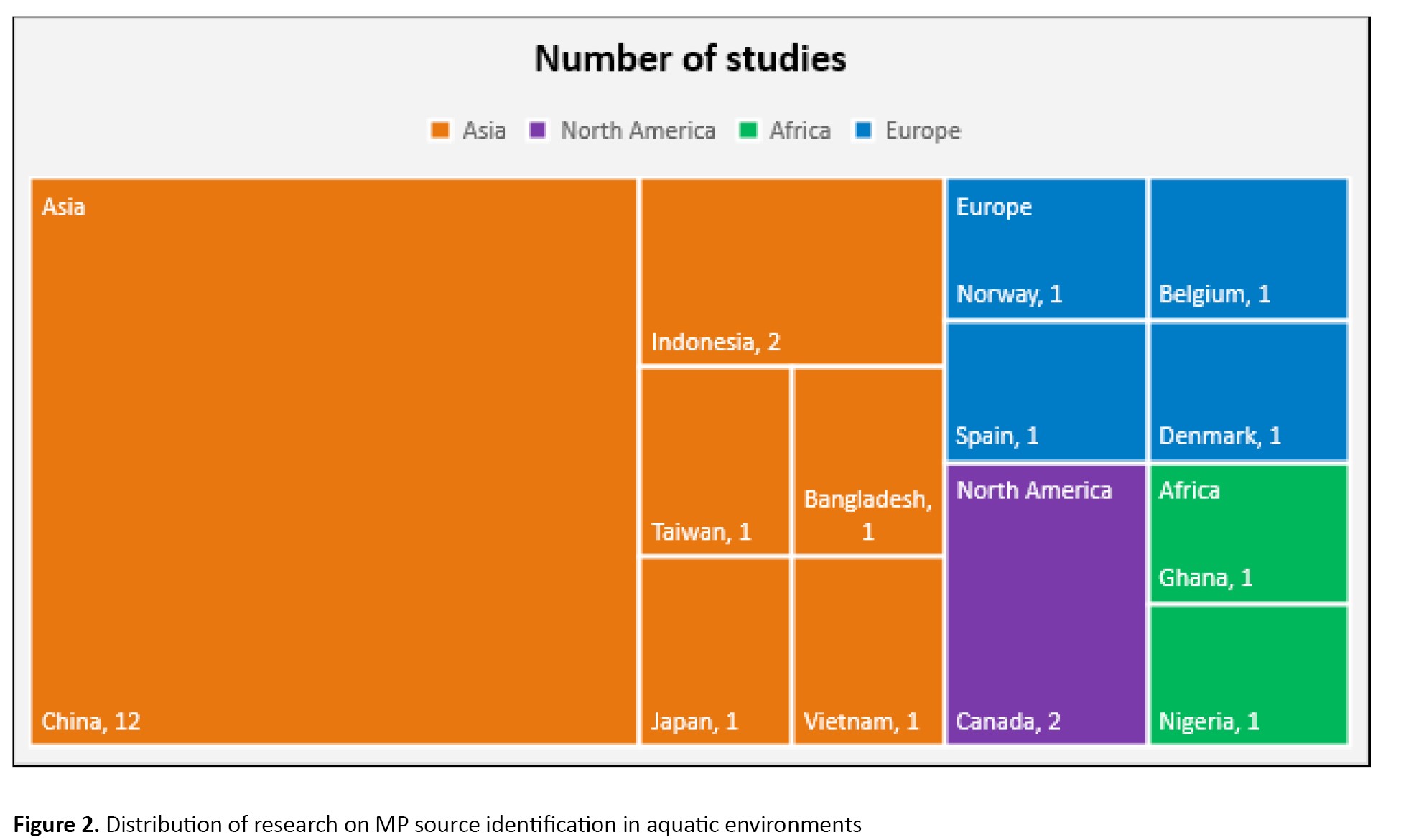
Figure 2 shows the regional distribution of studies on MP source identification, highlighting research hotspots and showing that the majority of studies were conducted in Asia, particularly China.
Full-Text: (84 Views)
Introduction
Plastic, a groundbreaking material first developed in the 19th century, has experienced a dramatic production growth since the 1950s, driven by population growth and rising consumption. By 2021, global plastic production had surpassed 390 million tons [1-3]. Plastic waste degrades into microplastics (MPs), defined as plastic particles with diameters <5 mm. Over the past few decades, these MPs have increasingly infiltrated both aquatic and terrestrial environments [1, 4, 5]. MPs can originate from primary sources, such as cosmetic products, and from secondary sources, where larger plastics degrade into smaller pieces through various processes [2, 6]. Notably, most environmental MPs originate from secondary sources, prompting bans on primary MPs, such as microbeads [7].
These small plastic particles, composed of various polymers and additives, pose threats to water quality and ecosystems by carrying harmful chemicals and absorbing/releasing pollutants and heavy metals [8]. Their global environmental concern status arises from their widespread presence and ecological hazards. Despite their ubiquity in the environment, the risks posed by MPs remain incompletely understood, necessitating focused studies of their sources, distribution, and impacts [9-11].
Conducting risk assessments for MPs is essential to identify potential risks to ecosystems and humans, and it requires integrating exposure and hazard assessments in a complex evaluation process due to MPs’ diverse characteristics [12, 13].
MPs pose significant ecological risks, potentially harming ecosystems and human health when they enter food chains. This highlights the critical need to assess their impacts using important indices, including the pollution load index (PLI), risk index (RI), and hazard index (HI) [14, 15]. Human health risks associated with MPs encompass direct and indirect effects, including physical stressors and the transport of environmental contaminants, impacting bodily systems and leading to adverse health outcomes [14, 15]. The ingestion of MPs by organisms and their transfer through the food chain pose serious risks to both human health and ecological systems. This concern has led organizations, such as the World Health Organization (WHO), to stress the urgent need for increased research to better understand the implications of MPs on human health [16].
Given the widespread presence of MPs in various food items consumed by humans, including milk, seafood, honey, table salt, tap water, and bottled water, numerous researchers have increasingly focused on this critical issue. While the intake of certain food products, such as seafood and honey, can be reduced or avoided, exposure to MPs in drinking water is inevitable [17]. The presence of MPs in various food items consumed by humans underscores the urgency of researching their impact on human health, especially through unavoidable exposures, such as drinking water [12, 18].
In aquatic environments, the prevalence of MPs is attributed to inadequate wastewater treatment, transportation activities, and improper waste disposal practices, with industrial and domestic wastewater acting as prominent pathways for MP introduction [19, 20]. Despite global efforts to detect MPs, identifying their diverse sources remains a critical challenge [21]. The growing popularity of exploratory analysis techniques for statistical data evaluation offers opportunities to visualize correlations among multiple variables in a single graph, aiding in the identification of pertinent information for sample classification [22, 23]. Multivariate statistical methods are essential for analyzing large environmental datasets, enabling researchers to accurately identify sources of pollution [24, 25].
While numerous studies have examined MP abundance, distribution, and source identification in aquatic systems using multivariate statistical approaches (e.g. principal component analysis [PCA], cluster analysis [CA], and hierarchical cluster analysis [HCA]), few have placed primary emphasis on comprehensive risk assessment. This systematic review addresses this critical gap by focusing predominantly on ecological and human health risk evaluation, comparatively analyzing indices, such as PLI, polymer HI (PHI), and potential ecological RI (PERI) for ecological risks, alongside estimated daily intake (EDI), target hazard quotient (THQ), and MP pollution load index (MPLI) for health implications, across diverse global aquatic environments. By synthesizing risk data from selected recent studies and integrating insights from source apportionment, this work provides a novel, risk-centered framework to prioritize high-risk areas, inform targeted mitigation strategies, and offer actionable guidance for policymakers and researchers amid escalating MP pollution.
Materials and methods
Search strategy
This systematic review was conducted in accordance with the preferred reporting items for systematic reviews and meta-analyses (PRISMA) 2020 guidelines [26]. A comprehensive literature search was performed in December 2025 across four major scientific databases (PubMed, Scopus, Web of Science, and ScienceDirect) to identify relevant peer-reviewed studies addressing MP source identification and risk assessment in aquatic environments. Grey literature was excluded from the review. The protocol for this systematic review was not registered.
This systematic review was based on the following search strategy and medical subject headings (MeSH), applied to Title and Abstract searches. For MP source identification, the search string was: (“microplastic*” OR “micro-plastic*” OR “micro plastic*”) AND (“source*” OR “origin*” OR “pathway*” OR “emission*” OR “input*” OR “release*” OR “anthropogenic source*” OR “pollution source*” OR “source apportionment” OR “source tracing”) AND (“multivariate” OR “PCA” OR “principal component analysis” OR “CA” OR “cluster analysis” OR “HCA” OR “hierarchical cluster analysis” OR “machine learning” OR “random forest” OR “decision tree”) AND (“aquatic” OR “water*” OR “freshwater” OR “marine” OR “river*” OR “lake*” OR “estuar*” OR “ocean*” OR “sediment*” OR “surface water” OR “wastewater”).
For MP risk assessment, the search string was: (“microplastic*” OR “micro-plastic*” OR “micro plastic*”) AND (“risk assessment*” OR “ecological risk*” OR “health risk*” OR “hazard assessment*” OR “toxicity*” OR “exposure assessment*” OR “polymer hazard*” OR “pollution load index” OR “PLI” OR “PHI” OR “polymer hazard index” OR “PERI” OR “potential ecological risk index” OR “EDI” OR “estimated daily intake” OR “THQ” OR “target hazard quotient” OR “MPLI”) AND (“aquatic” OR “water*” OR “freshwater” OR “marine” OR “river*” OR “lake*” OR “estuar*” OR “ocean*” OR “sediment*” OR “surface water” OR “wastewater” OR “aquaculture”).
All searches were restricted to English-language articles published between January 2015 and December 2025. This time frame was selected to encompass both foundational studies and recent advances in multivariate statistical analyses and risk assessment frameworks related to MPs.
Selection parameters and data extraction
The inclusion criteria comprised original, peer-reviewed research articles with full-text availability that investigated MP sources and/or ecological or human health risks in aquatic environments (e.g. rivers, lakes, reservoirs, estuaries, coastal and marine systems). Eligible source-identification studies were required to apply multivariate statistical approaches (such as PCA, CA, HCA, multidimensional scaling [MDS], multiple correspondence analysis [MCA], or hybrid and machine-learning–assisted techniques), while risk-focused studies needed to report quantitative indices including PLI, PHI, PERI, RI, THQ, or HI.
The exclusion criteria included review articles, letters to the editor, books, book chapters, non-aquatic studies, laboratory-only or modeling-only studies lacking environmental data.
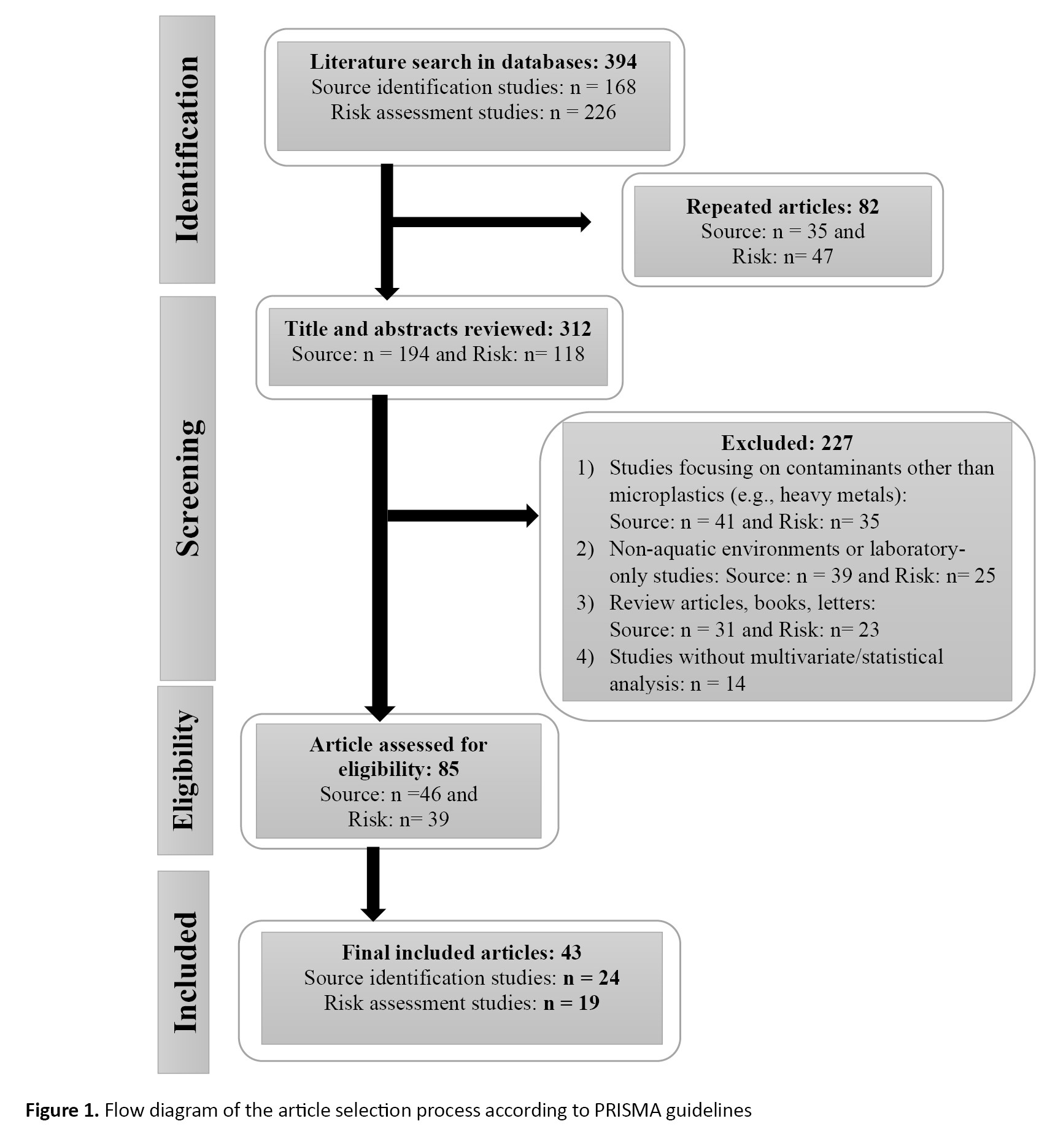
Three authors independently conducted all screening stages to minimize selection bias. Any disagreements regarding study inclusion were resolved through discussion and, where necessary, consensus among the reviewers. For each included study, data were systematically extracted on study location, sampling (aquatic matrix), polymer types, applied statistical methods for source apportionment, and reported ecological and/or human health risk metrics. The reference lists of the included papers were also hand-searched to identify any additional relevant studies. The overall study selection process is illustrated in the PRISMA flowchart (Figure 1).
Plastic, a groundbreaking material first developed in the 19th century, has experienced a dramatic production growth since the 1950s, driven by population growth and rising consumption. By 2021, global plastic production had surpassed 390 million tons [1-3]. Plastic waste degrades into microplastics (MPs), defined as plastic particles with diameters <5 mm. Over the past few decades, these MPs have increasingly infiltrated both aquatic and terrestrial environments [1, 4, 5]. MPs can originate from primary sources, such as cosmetic products, and from secondary sources, where larger plastics degrade into smaller pieces through various processes [2, 6]. Notably, most environmental MPs originate from secondary sources, prompting bans on primary MPs, such as microbeads [7].
These small plastic particles, composed of various polymers and additives, pose threats to water quality and ecosystems by carrying harmful chemicals and absorbing/releasing pollutants and heavy metals [8]. Their global environmental concern status arises from their widespread presence and ecological hazards. Despite their ubiquity in the environment, the risks posed by MPs remain incompletely understood, necessitating focused studies of their sources, distribution, and impacts [9-11].
Conducting risk assessments for MPs is essential to identify potential risks to ecosystems and humans, and it requires integrating exposure and hazard assessments in a complex evaluation process due to MPs’ diverse characteristics [12, 13].
MPs pose significant ecological risks, potentially harming ecosystems and human health when they enter food chains. This highlights the critical need to assess their impacts using important indices, including the pollution load index (PLI), risk index (RI), and hazard index (HI) [14, 15]. Human health risks associated with MPs encompass direct and indirect effects, including physical stressors and the transport of environmental contaminants, impacting bodily systems and leading to adverse health outcomes [14, 15]. The ingestion of MPs by organisms and their transfer through the food chain pose serious risks to both human health and ecological systems. This concern has led organizations, such as the World Health Organization (WHO), to stress the urgent need for increased research to better understand the implications of MPs on human health [16].
Given the widespread presence of MPs in various food items consumed by humans, including milk, seafood, honey, table salt, tap water, and bottled water, numerous researchers have increasingly focused on this critical issue. While the intake of certain food products, such as seafood and honey, can be reduced or avoided, exposure to MPs in drinking water is inevitable [17]. The presence of MPs in various food items consumed by humans underscores the urgency of researching their impact on human health, especially through unavoidable exposures, such as drinking water [12, 18].
In aquatic environments, the prevalence of MPs is attributed to inadequate wastewater treatment, transportation activities, and improper waste disposal practices, with industrial and domestic wastewater acting as prominent pathways for MP introduction [19, 20]. Despite global efforts to detect MPs, identifying their diverse sources remains a critical challenge [21]. The growing popularity of exploratory analysis techniques for statistical data evaluation offers opportunities to visualize correlations among multiple variables in a single graph, aiding in the identification of pertinent information for sample classification [22, 23]. Multivariate statistical methods are essential for analyzing large environmental datasets, enabling researchers to accurately identify sources of pollution [24, 25].
While numerous studies have examined MP abundance, distribution, and source identification in aquatic systems using multivariate statistical approaches (e.g. principal component analysis [PCA], cluster analysis [CA], and hierarchical cluster analysis [HCA]), few have placed primary emphasis on comprehensive risk assessment. This systematic review addresses this critical gap by focusing predominantly on ecological and human health risk evaluation, comparatively analyzing indices, such as PLI, polymer HI (PHI), and potential ecological RI (PERI) for ecological risks, alongside estimated daily intake (EDI), target hazard quotient (THQ), and MP pollution load index (MPLI) for health implications, across diverse global aquatic environments. By synthesizing risk data from selected recent studies and integrating insights from source apportionment, this work provides a novel, risk-centered framework to prioritize high-risk areas, inform targeted mitigation strategies, and offer actionable guidance for policymakers and researchers amid escalating MP pollution.
Materials and methods
Search strategy
This systematic review was conducted in accordance with the preferred reporting items for systematic reviews and meta-analyses (PRISMA) 2020 guidelines [26]. A comprehensive literature search was performed in December 2025 across four major scientific databases (PubMed, Scopus, Web of Science, and ScienceDirect) to identify relevant peer-reviewed studies addressing MP source identification and risk assessment in aquatic environments. Grey literature was excluded from the review. The protocol for this systematic review was not registered.
This systematic review was based on the following search strategy and medical subject headings (MeSH), applied to Title and Abstract searches. For MP source identification, the search string was: (“microplastic*” OR “micro-plastic*” OR “micro plastic*”) AND (“source*” OR “origin*” OR “pathway*” OR “emission*” OR “input*” OR “release*” OR “anthropogenic source*” OR “pollution source*” OR “source apportionment” OR “source tracing”) AND (“multivariate” OR “PCA” OR “principal component analysis” OR “CA” OR “cluster analysis” OR “HCA” OR “hierarchical cluster analysis” OR “machine learning” OR “random forest” OR “decision tree”) AND (“aquatic” OR “water*” OR “freshwater” OR “marine” OR “river*” OR “lake*” OR “estuar*” OR “ocean*” OR “sediment*” OR “surface water” OR “wastewater”).
For MP risk assessment, the search string was: (“microplastic*” OR “micro-plastic*” OR “micro plastic*”) AND (“risk assessment*” OR “ecological risk*” OR “health risk*” OR “hazard assessment*” OR “toxicity*” OR “exposure assessment*” OR “polymer hazard*” OR “pollution load index” OR “PLI” OR “PHI” OR “polymer hazard index” OR “PERI” OR “potential ecological risk index” OR “EDI” OR “estimated daily intake” OR “THQ” OR “target hazard quotient” OR “MPLI”) AND (“aquatic” OR “water*” OR “freshwater” OR “marine” OR “river*” OR “lake*” OR “estuar*” OR “ocean*” OR “sediment*” OR “surface water” OR “wastewater” OR “aquaculture”).
All searches were restricted to English-language articles published between January 2015 and December 2025. This time frame was selected to encompass both foundational studies and recent advances in multivariate statistical analyses and risk assessment frameworks related to MPs.
Selection parameters and data extraction
The inclusion criteria comprised original, peer-reviewed research articles with full-text availability that investigated MP sources and/or ecological or human health risks in aquatic environments (e.g. rivers, lakes, reservoirs, estuaries, coastal and marine systems). Eligible source-identification studies were required to apply multivariate statistical approaches (such as PCA, CA, HCA, multidimensional scaling [MDS], multiple correspondence analysis [MCA], or hybrid and machine-learning–assisted techniques), while risk-focused studies needed to report quantitative indices including PLI, PHI, PERI, RI, THQ, or HI.
The exclusion criteria included review articles, letters to the editor, books, book chapters, non-aquatic studies, laboratory-only or modeling-only studies lacking environmental data.
Three authors independently conducted all screening stages to minimize selection bias. Any disagreements regarding study inclusion were resolved through discussion and, where necessary, consensus among the reviewers. For each included study, data were systematically extracted on study location, sampling (aquatic matrix), polymer types, applied statistical methods for source apportionment, and reported ecological and/or human health risk metrics. The reference lists of the included papers were also hand-searched to identify any additional relevant studies. The overall study selection process is illustrated in the PRISMA flowchart (Figure 1).
Risk of bias assessment
The methodological quality and risk of bias of the included studies were systematically evaluated using the National Heart, Lung, and Blood Institute (NHLBI) quality assessment tool for observational cohort and cross-sectional studies [27]. This tool was selected because most eligible studies employed observational designs using environmental sampling and quantitative analyses relevant to microplastic source identification and ecological or human health risk assessment.
The NHLBI checklist comprises 14 items addressing key domains of internal validity, including clarity of the research question, definition and representativeness of the study population or sampling framework, consistency of eligibility criteria, validity and reliability of exposure and outcome measurements, adequacy of the study timeframe, appropriateness of statistical analyses, and consideration of potential confounding factors. Each item was independently rated as yes, no, cannot determine, not reported, or not applicable in accordance with the NHLBI guidance. An overall methodological quality rating was then assigned to each study based on the collective assessment of internal validity and susceptibility to selection, information, measurement, and confounding bias. Studies were categorized as good (low risk of bias), fair (moderate risk of bias), or poor (high risk of bias). Quality assessment was conducted independently by two reviewers, and any discrepancies were resolved through discussion and consensus. To account for methodological heterogeneity, source identification and risk assessment studies were evaluated separately. Detailed quality assessment outcomes are provided in Supplementary Tables S1 and S2.
Table S1 includes 22 ‘fair’ and 2 ‘good’ quality assessments, while Table S2 contains 14 ‘fair’ and 5 ‘good’ quality assessments. Overall, most of the included studies were rated fair to good, indicating acceptable methodological rigor for synthesis and interpretation.
Results
Statistical methods for identifying MPs sources
Sources and contributions to MP pollution vary significantly across geographic and ecological contexts, underscoring the importance of localized investigations to inform targeted management strategies for aquatic systems [25, 29]. Multivariate statistical methods are instrumental in processing large environmental datasets, converting intricate information into actionable insights by revealing patterns in MP distribution, composition, and origins. Conventional exploratory techniques, such as PCA, CA, and HCA, are widely employed to identify dominant groupings and associations among MP characteristics [30-32]. To move beyond qualitative source interpretation, these techniques are frequently integrated with regression- and receptor-based frameworks, including PCA–multiple linear regression analysis (MLRA), absolute principal component scores–multiple linear regression (APCS-MLR), and positive matrix factorization (PMF), which enable quantitative estimation of relative source contributions [31-33].
In addition, hybrid statistical–machine learning approaches, such as PCA combined with random forest (PCA-RF), along with K-means clustering, decision trees, Naïve Bayes classifiers, MDS, and MCA, facilitate the identification of pollution sources while enhancing water quality assessments [23, 28, 25]. These approaches not only delineate the primary factors influencing aquatic systems but also support integrated risk evaluations, enabling policymakers to prioritize interventions based on empirical evidence.
Table 1 presents a systematic overview of representative studies applying these multivariate statistical techniques, such as PCA, CA, and HCA for MP source identification, highlighting methodological approaches, investigated aquatic environments, and analytical tools employed.
Statistical analyses were predominantly performed using SPSS software, version 26 reflecting its widespread applicability in environmental data interpretation and source apportionment.
Geographical trends in source contributions
Figure 2 shows the regional distribution of studies on MP source identification, highlighting research hotspots and showing that the majority of studies were conducted in Asia, particularly China.
By contrast, European and North American environments demonstrate more localized point-source contributions.
Environmental risk assessment
Ecological risk assessment
To tackle MP pollution, it is crucial to implement targeted control measures in areas at high ecological risk of MP contamination [53]. However, there is currently no systematic and standardized model available to assess the potential ecological risk that is specifically suitable for MP pollution [56]. Consequently, researchers have developed a comprehensive risk assessment model applicable to MP pollution and other pollutants. Three models (PLI, PHI, and PERI) have been used to assess the ecological risk of MPs. This model aimed to improve our understanding and evaluation of the ecological risks associated with MP contamination [57].
PLI of MPs
To evaluate the extent of MP pollution in aquatic settings, we employed an integrated PLI calculation method developed by Qiu et al. (2023) [58]. The assessment model is as follows:
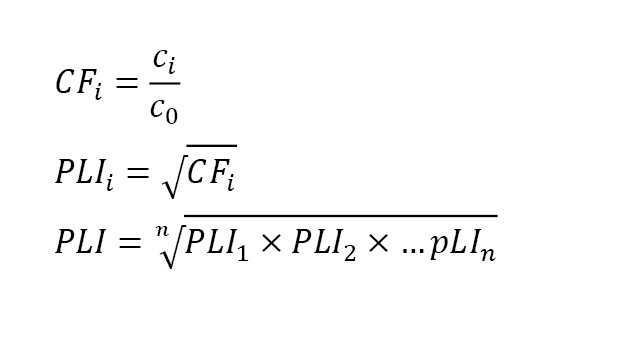
where ci is the MP abundance at each sample site, c0 is the background value of MPs, n is the number of stations. PLI is divided into four levels: I (low, <10), II (medium, 10≤ PLI <20), III (high, 20≤ PLI <30), and IV (extremely high, PLI ≥30) [53, 58-67].
PHI of MPs
The occurrence and effects of MPs in aquatic ecosystems are affected by both their concentration and the specific polymer types they contain, which ultimately influence their toxicity. A risk grading model developed by Lithner et al. (2011) [68] categorizes polymers and calculates their risk scores based on monomer hazard levels. The hazard score values for polypropylene (PP), polyethylene (PE), polyacrylonitrile (PAN), polyethylene terephthalate (PET), polystyrene (PS), polyamide (PA), and polyvinyl chloride (PVC) are 1, 11, 11521, 4, 30, 50, and 5001, respectively [68].
The PHI is then calculated using a specific formula:
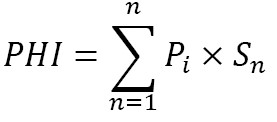
where Pi represents the proportion of polymer in each sample, and Sn denotes the risk score associated with the type of MP polymer. The PHI is categorized into four levels: I (low, PHI <10), II (medium, 10≤ PHI <100), III (high, 100≤ PHI <1000), and IV (extremely high, PHI ≥1000) [53, 58-68].
PERI
PERI was utilized to evaluate the extent of MP contamination. The following equations were employed to calculate the PERI:
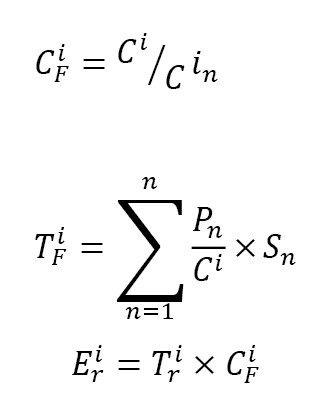
Where CFi is the enrichment coefficient of MPs in samples; Ci is the abundance of MPs in samples; Cin represents the abundance of MPs in the samples; Tri is the toxicity coefficient of polymer; Pn refers to the abundance of each polymer in the samples; and Sn is the hazard score associated with each polymer. The toxicity coefficient is calculated as the sum of the percentage of specific polymers in the total samples Pn/ Ci multiplied by the toxicity hazard score of the polymers Sn. PERI is divided into five levels: I (low potential risk, PERI <150), II (Medium potential risk, 150≤ PERI <300), III (Considerable potential risk, 300≤ PERI <600), IV (High potential risk, 600≤ PERI <1200), and V (very high potential risk, PERI ≥1200) [53, 58, 59, 65-67, 69].
Health risk assessment
Evaluating exposure and characterizing hazards are crucial components of human health risk assessment (HHRA) [70]. Human health risk assessment (HHRA) is a systematic approach for evaluating the nature and probability of adverse health effects in individuals exposed to environmental hazards. This process considers both current and potential future exposures to pollutants in various environmental media [71].
EDI of MPs
Basaran et al. (2023) [69] utilized the following equation within the deterministic model to estimate an individual’s intake of MPs from consuming branded milk.
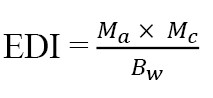
EDI is the EDI (particles/mL bw/day), Ma is the amount consumed (mL/day), Mc is the concentration of MPs (particles/mL), and Bw is the body weight (kg). The average body weight is 61.4 kg, and the consumption rate is 130 g/day per individual [69, 70].
THQ
THQ is a ratio comparing an individual’s exposure to a hazardous substance with the level of exposure at which adverse health effects are likely to occur [72]. The following formula was utilized to calculate the THQ of MPs:
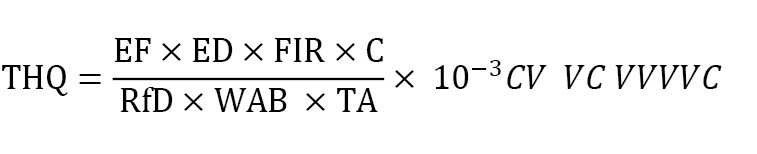
Where EF denotes the frequency of exposure (156 days per year, based on three fish meals weekly), ED indicates the duration of exposure (70 years, aligned with a typical lifespan), FIR refers to food consumption (130 g/day), C represents the concentration of HMs in fish muscle (µg/g wet weight), WAB stands for average weight, TA signifies the total exposure time to non-carcinogens (365 days/year multiplied by ED), and RFD specifies the reference dose for each heavy metal. According to this model, if THQ is less than 1, the health effects from oral intake of heavy metals are minimal. Conversely, if THQ exceeds 1, there may be a notable non-carcinogenic risk associated with this exposure pathway [59, 73-75].
MPLI
The MP contamination factor (MCF) and the MPLI in milk were determined using the following equations:
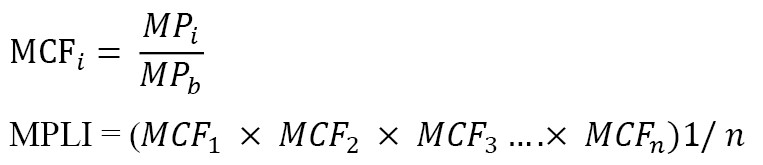
MPi is the number of MPs in the sample, n is the total number of samples, and MPb is the minimum reported average MP concentration (1.68 particles/kg) in processed foods [69]. Table 2 presents the standard grid for this analysis [69, 76].
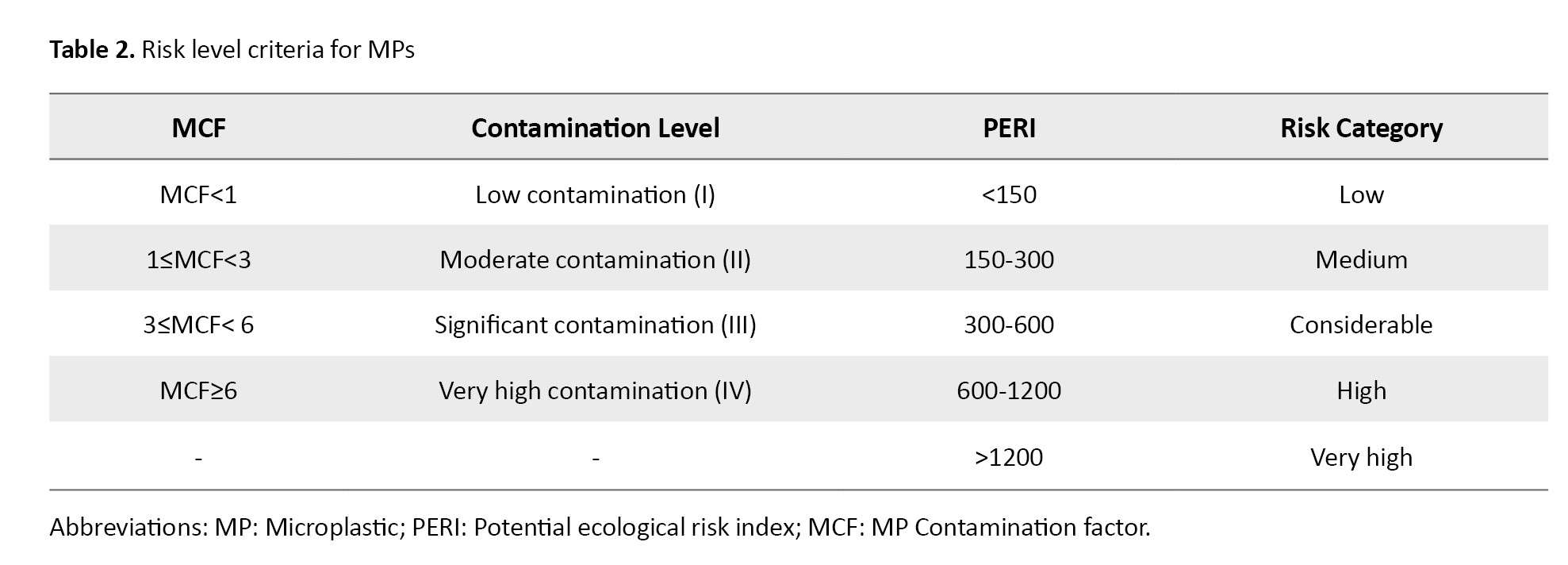
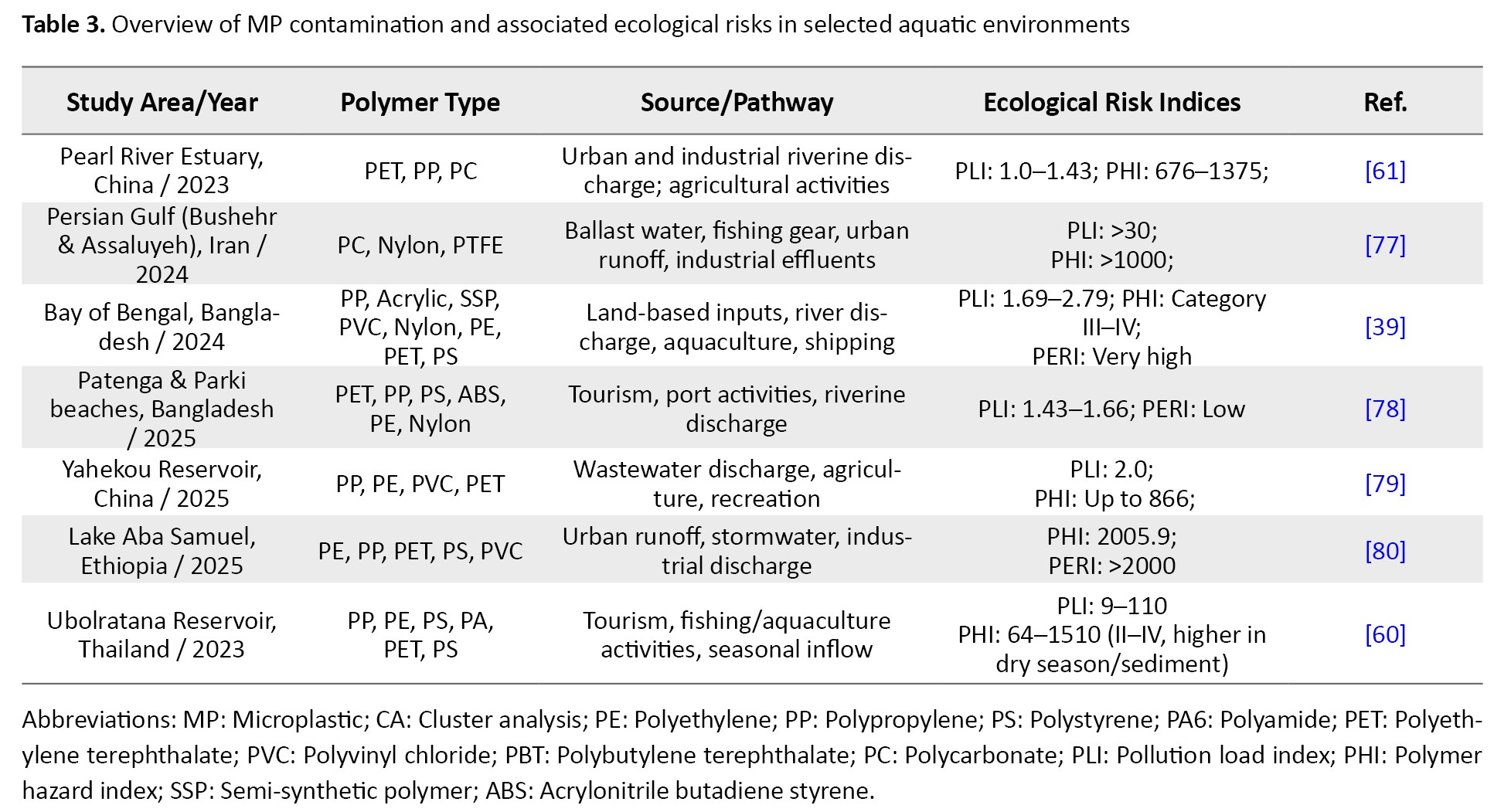
Ecological risk indices, including PLI, PHI, and PERI, showed a wide range of values across different study areas, reflecting variations in polymer composition and contamination levels. Table 3 presents representative results from selected studies.
Discussion
Dominant sources identified by multivariate methods
A synthesis of the reviewed literature across diverse aquatic environments indicates that multivariate statistical analyses predominantly attribute MP pollution to anthropogenic sources, with urban wastewater, industrial effluents, agricultural runoff and maritime activities consistently identified as major contributors [36, 39, 49]. PCA-based investigations frequently resolve agricultural and forestry-related inputs as dominant sources in rural river basins. In the Jinjiang River Basin, PE and PP exhibited strong loadings on agricultural components, whereas PVC and PET were associated with household sewage and fishing activities [30]. Similar source structures were reported in Taiwanese rivers, where PCA linked MP variability to vehicle exhaust and petrogenic inputs [35], and in the Huixian Wetland, where effluent discharge emerged as the primary urban driver alongside suburban agricultural runoff [10].
Beyond PCA-based interpretations, quantitative receptor models have provided higher-resolution source apportionment. For instance, PMF-based analysis in southwestern Nigerian rivers resolved multiple contributing factors and identified surface runoff and domestic/industrial wastewater as the dominant MP sources in both surface water and sediments, while packaging-related plastics showed moderate contributions and atmospheric deposition played a minor role, highlighting the predominance of land-based anthropogenic activities such as fishing and inadequate sanitation systems [52]. Similarly, APCS-MLR applied to sediments of the Dan River in China quantified two major anthropogenic sources, with mixed fishery and agricultural activities contributing the majority of MPs, followed by wastewater discharge associated with laundry and personal care products [33].
Cluster-based approaches, including CA and HCA, support these findings. In Laizhou Bay, such analyses identified riverine inputs, plastic recycling activities, and aquaculture as key sources, with PET dominating surface waters [32].
Recent studies extend these interpretations while providing additional resolution in source apportionment [86]. In the Xiangjiang River, multivariate analysis linked specific MP characteristics (e.g. transparent and black colors, 50–100 μm size fractions) to urban wastewater treatment plants and revealed positive associations with microorganisms, such as Proteobacteria, suggesting microbial-mediated transport pathways [45, 53]. In marine environments, the integration of PCA with random forest models achieved high accuracy in identifying commercial polymers (PE, PS, and PP) and indicated contributions from shipping activities and consumer-derived waste [50]. In the Brantas River watershed, PCA and CA confirmed recreational littering as the dominant source at high-abundance sites, with lower contributions from agricultural fields [38]. Similarly, in the Bay of Bengal, PCA and CA grouped PE and PP with anthropogenic factors and indicated medium-to-high ecological risks associated with fishing nets and urban runoff [39]. In Shenzhen’s river systems, the combination of PCA and random forest analysis revealed downstream industrial dominance and demonstrated that correlations based solely on physicochemical parameters tended to underestimate risks without machine-learning integration [51], whereas urban non-point sources are more influential in coastal systems [40, 41]. This variability underscores the need for polymer-specific and hybrid statistical frameworks to disentangle overlapping source pathways.
Geographical trends in source contributions
MP pollution exhibits pronounced geographical variability, influenced by regional differences in population density, industrialization, land-use patterns, and environmental management practices [38, 39]. Studies compiled in Table 1, indicate that Asian riverine and coastal systems consistently report the highest MP abundance and the most diverse sources. In China, river basins, estuaries, and wetlands, including the Jinjiang River, Laizhou Bay, Dan River, Bohai and Yellow Seas, and Shenzhen rivers, show predominant contributions from land-based anthropogenic activities such as agriculture, aquaculture, urban wastewater, and industrial discharges [30, 32, 33]. Southeast and South Asian regions, including Indonesia and Bangladesh, exhibit elevated MP concentrations in densely populated coastal areas and recreational zones, where urban runoff, fishing, and shipping activities are key drivers [38, 39]. Based on Figure 2, in Adventfjorden (Norway) and urban wastewater networks in Denmark and Belgium, MPs are primarily associated with effluent discharges, household and industrial wastewater, and combined sewer overflows [34, 48, 49]. Similarly, in Lake Ontario (Canada), MPs are linked to wastewater treatment plant effluents and hydrologically mediated redistribution, highlighting the influence of regulated infrastructure on MP distribution [43].
Evidence from Africa, including southwestern Nigerian rivers, indicates that MP sources are dominated by surface runoff and domestic and industrial wastewater, whereas packaging materials and atmospheric deposition contribute minimally [52].
These patterns indicate that local anthropogenic pressures and regional environmental management largely govern the geographical distribution of MP pollution. Densely populated urban and intensive agricultural areas tend to exhibit diffuse, multi-source contamination. In contrast, well-regulated systems show more localized, point-source contributions, highlighting that broad global generalizations may fail to capture critical site-specific drivers.
Performance and comparison of different statistical techniques
A comparison of statistical techniques employed across the reviewed studies demonstrates that multivariate methods play a central role in resolving MP source patterns, although their effectiveness varies depending on data structure, sample size, and environmental context. PCA remains the most widely applied approach, owing to its capacity to explain a substantial proportion of variance in MP datasets and to identify dominant source-related components, with reported cumulative variance often exceeding 65% [35, 40, 54]. As such, PCA is particularly effective for initial pattern recognition and dimensionality reduction in complex environmental matrices.
However, PCA alone is often insufficient for precise source apportionment, prompting its integration with complementary techniques. Regression-based hybrids such as PCA–MLRA improve quantitative source attribution in marine environments by linking principal components to specific anthropogenic activities [37]. Cluster-based methods, including CA and HCA, are commonly applied to group sampling sites according to similarity in MP composition and abundance, thereby revealing spatial gradients associated with riverine inputs, aquaculture zones, and urban coastal areas [10, 32, 431].
Non-linear ordination methods such as MDS and MCA provide additional insight into complex source structures that may not be adequately captured by linear techniques, particularly in heterogeneous systems influenced by mixed urban, industrial, and agricultural activities [42, 44]. Classification-based approaches, including decision trees and Naïve Bayes classifiers, offer advantages in interpretability and material discrimination, although their performance may be constrained by limited training datasets or highly mixed environmental samples [46-48].
Recent advances have highlighted the superior performance of hybrid statistical–machine learning frameworks. The integration of PCA with random forest models substantially enhances source discrimination and classification accuracy, particularly in marine environments characterized by overlapping spectral and compositional features [50]. Similar hybrid approaches reveal that reliance on traditional correlation analyses alone may underestimate industrial and downstream risks, underscoring the value of machine learning in resolving non-linear relationships between MP properties and environmental drivers [55]. In sediment-focused applications, receptor and hybrid regression models further improve quantitative source resolution. For instance, PMF demonstrated strong performance in resolving multiple mixed anthropogenic sources in surface waters and sediments of southwestern Nigerian rivers, effectively quantifying the dominance of runoff and wastewater-related inputs in complex datasets [52]. Similarly, the combined PCA–APCS–MLR framework applied to Dan River sediments translated statistically derived components into quantitatively meaningful anthropogenic source contributions, illustrating the enhanced interpretability and apportionment capability of regression-based hybrid approaches [33]. In general, receptor models (APCS–MLR) offer more robust quantitative apportionment than PCA alone, while hybrid PCA–RF approaches improve classification accuracy in complex marine datasets.
Despite their demonstrated strengths, all techniques remain subject to methodological limitations, including sensitivity to data pre-processing, normalization procedures, and sampling design. Moreover, statistical associations do not imply causation, necessitating cautious interpretation of inferred contributions from sources.
Comparative analysis of ecological and health risks from MPs
Risk assessment frameworks applied in this review provide critical insights into the multifaceted threats posed by MP pollution in aquatic ecosystems. Although MP-specific standardized models remain limited [56], adapting established indices, such as PLI, PHI, and PERI for ecological evaluation, alongside EDI, THQ, and MPLI for human health assessment, offers a pragmatic approach to quantifying risks.
A comparative analysis across studies, as summarized in Table 3, reveals pronounced spatial and source-driven heterogeneity in ecological risks. Low PLI values may obscure substantial hazards when highly toxic polymers dominate, as observed in the Pearl River Estuary, where moderate contamination (PLI 1.0–1.43) coincides with extreme PHI (up to 1375) arising from polycarbonate in urban-industrial runoff [61]. Similar patterns are evident in port-dominated systems such as the Persian Gulf, where high PLI (>30) and PHI (>1000) indicate significant ecological vulnerability [77]. In tropical regions, including the Northern Bay of Bengal, land-based sources contribute to elevated PERI values through PVC and mixed polymers, driving ecological risks into categories III–IV [39]. Seasonal variations further modulate risks, exemplified by Thailand’s Ubolratana Reservoir, where dry-season retention amplifies PHI (64–1510) under heightened tourism pressures [60], a pattern corroborated in sedimentary hotspots such as Lake Aba Samuel (PERI >2000) and Yahekou Reservoir (hazardous HI in deeper strata) [79, 80]. Collectively, these findings underscore PHI and PERI as more sensitive indicators of polymer toxicity than abundance-focused PLI, particularly within sediment compartments [82].
Human health implications, although less frequently quantified in MP-specific studies, emerge through EDI and THQ assessments, highlighting ingestion as a primary exposure pathway in urbanized contexts [70, 71]. Notably, children exhibit higher EDI than adults, such as up to 13.03 MP/kg/bw/year via South American bottled water, suggesting heightened susceptibility to oxidative stress and inflammatory responses [82]. Food-based exposure, such as branded milk, demonstrates a moderate MPLI (2.8) with polymer-specific hazards (PU up to 198), resulting in a lifetime exposure of approximately 5289 particles over 70 years [69]. Although THQ values <1 suggest limited acute non-carcinogenic effects, synergistic interactions between MPs and heavy metals in fish from Indonesian streams elevate both total THQ and cancer risks through the Trojan horse mechanism [59]. Comparably low-to-moderate THQ in Thai reservoirs further indicates chronic underestimation of risk due to food chain transfer [60].
The convergence of ecological and human health risks positions MPs as effective vectors for co-contaminants, thereby intensifying threats in polluted systems [59]. Methodological inconsistencies, including variable sampling approaches and lack of uniform background referencing, may bias risk indices [82]. Consequently, the development of MP-tailored frameworks that incorporate temporal variability, synergistic effects, and compartment-specific dynamics is imperative to inform targeted mitigation strategies, including source reduction and advanced treatment interventions [53, 69]. This synthesis advocates proactive, integrated approaches to limit the escalating impacts of MP on aquatic ecosystem integrity and human well-being.
Limitations and challenges
This review is limited to peer reviewed studies published in English, which may have resulted in the exclusion of relevant regional research available in Persian or other local languages. This language constraint may introduce a geographic bias in the synthesis of available evidence. Multivariate statistical methods, such as PCA and CA, are valuable for hypothesis generation in MP source identification but are constrained by their inability to establish causality and often rely on correlational inferences that may be confounded by environmental collinearity and temporal variability [24]. The challenge of overlapping sources, e.g. distinguishing agricultural runoff from industrial discharges, remains unresolved in many applications, as these methods struggle with non-linear interactions without hybrid integrations, such as PCA-RF [50]. These limitations imply a cautious interpretation of the results, particularly in dynamic aquatic systems where unaccounted-for variability could misrepresent pollution pathways, potentially undermining mitigation strategies.
In risk assessment frameworks, the absence of standardized, MP-specific toxicity reference values (RfDs) poses a major hurdle; current adaptations from heavy metal models fail to capture unique MP hazards, such as additive leaching or fragmentation, resulting in questionable THQ and HI estimates [83]. Significant uncertainties in exposure assessment, including bioavailability influenced by weathering and chemical leaching, further complicate evaluations, often underestimating chronic risks from nano-MPs [13]. The ongoing “Trojan horse” debate, which highlights the gap between the risks arising from polymers and those from adsorbed contaminants, such as PAHs, suggests that the latter are amplified in food chains [8]. Such methodological shortcomings can lead to inconsistent risk categorizations across studies, affecting policy decisions; for example, overreliance on borrowed RfDs may downplay health impacts in high-exposure regions. Implications for future research include developing MP-tailored RfDs through toxicological experiments and incorporating advanced modeling to address exposure uncertainties, thereby enhancing the reliability of indices, such as PERI and PHI.
Conclusion
MPs represent a significant and growing threat to aquatic environments, with substantial ecological and potential human health implications. This review demonstrates that multivariate statistical approaches, particularly PCA, CA, and HCA, are effective tools for identifying MP sources and elucidating their strong associations with anthropogenic activities, such as urbanization, industrial discharge, and agricultural runoff.
The findings further highlight that integrating source identification with ecological and human health risk indices, such as PLI, PHI, PERI, and THQ, provides a comprehensive framework for assessing MP distribution and associated risks across diverse environmental settings. Accurate risk evaluation, however, depends on a clear understanding of MP bioaccessibility and bioavailability, which directly influence exposure and toxicity outcomes. Overall, advancing MP research requires developing polymer-specific toxicity data and adopting standardized methodologies for sampling, identification, and analysis to improve comparability and support more robust, reliable risk assessment and management strategies.
Ethical Considerations
Compliance with ethical guidelines
This study was approved by the Research Ethics Committee of Mazandaran University of Medical Sciences, Sari, Iran (Code: IR.MAZUMS.REC.1402.224).
Funding
This study was financially supported by Mazandaran University of Medical Sciences, Sari, Iran.
Authors contributions
Conceptualization: Atefeh Jabari; Methodology: Yalda Hashempour and Afsaneh Fendereski; Data curation and formal analysis: Kosar Kouhi; Writing the original draft: Kosar Kouhi and Atefeh Jabari; Review, editing and supervision: Yalda Hashempour.
Conflict of interest
The authors declared no conflict of interest.
Acknowledgements
The authors thank the Student Research Committee at Mazandaran University of Medical Sciences, Sari, Iran, for their generous financial assistance.
Environmental risk assessment
Ecological risk assessment
To tackle MP pollution, it is crucial to implement targeted control measures in areas at high ecological risk of MP contamination [53]. However, there is currently no systematic and standardized model available to assess the potential ecological risk that is specifically suitable for MP pollution [56]. Consequently, researchers have developed a comprehensive risk assessment model applicable to MP pollution and other pollutants. Three models (PLI, PHI, and PERI) have been used to assess the ecological risk of MPs. This model aimed to improve our understanding and evaluation of the ecological risks associated with MP contamination [57].
PLI of MPs
To evaluate the extent of MP pollution in aquatic settings, we employed an integrated PLI calculation method developed by Qiu et al. (2023) [58]. The assessment model is as follows:
where ci is the MP abundance at each sample site, c0 is the background value of MPs, n is the number of stations. PLI is divided into four levels: I (low, <10), II (medium, 10≤ PLI <20), III (high, 20≤ PLI <30), and IV (extremely high, PLI ≥30) [53, 58-67].
PHI of MPs
The occurrence and effects of MPs in aquatic ecosystems are affected by both their concentration and the specific polymer types they contain, which ultimately influence their toxicity. A risk grading model developed by Lithner et al. (2011) [68] categorizes polymers and calculates their risk scores based on monomer hazard levels. The hazard score values for polypropylene (PP), polyethylene (PE), polyacrylonitrile (PAN), polyethylene terephthalate (PET), polystyrene (PS), polyamide (PA), and polyvinyl chloride (PVC) are 1, 11, 11521, 4, 30, 50, and 5001, respectively [68].
The PHI is then calculated using a specific formula:
where Pi represents the proportion of polymer in each sample, and Sn denotes the risk score associated with the type of MP polymer. The PHI is categorized into four levels: I (low, PHI <10), II (medium, 10≤ PHI <100), III (high, 100≤ PHI <1000), and IV (extremely high, PHI ≥1000) [53, 58-68].
PERI
PERI was utilized to evaluate the extent of MP contamination. The following equations were employed to calculate the PERI:
Where CFi is the enrichment coefficient of MPs in samples; Ci is the abundance of MPs in samples; Cin represents the abundance of MPs in the samples; Tri is the toxicity coefficient of polymer; Pn refers to the abundance of each polymer in the samples; and Sn is the hazard score associated with each polymer. The toxicity coefficient is calculated as the sum of the percentage of specific polymers in the total samples Pn/ Ci multiplied by the toxicity hazard score of the polymers Sn. PERI is divided into five levels: I (low potential risk, PERI <150), II (Medium potential risk, 150≤ PERI <300), III (Considerable potential risk, 300≤ PERI <600), IV (High potential risk, 600≤ PERI <1200), and V (very high potential risk, PERI ≥1200) [53, 58, 59, 65-67, 69].
Health risk assessment
Evaluating exposure and characterizing hazards are crucial components of human health risk assessment (HHRA) [70]. Human health risk assessment (HHRA) is a systematic approach for evaluating the nature and probability of adverse health effects in individuals exposed to environmental hazards. This process considers both current and potential future exposures to pollutants in various environmental media [71].
EDI of MPs
Basaran et al. (2023) [69] utilized the following equation within the deterministic model to estimate an individual’s intake of MPs from consuming branded milk.
EDI is the EDI (particles/mL bw/day), Ma is the amount consumed (mL/day), Mc is the concentration of MPs (particles/mL), and Bw is the body weight (kg). The average body weight is 61.4 kg, and the consumption rate is 130 g/day per individual [69, 70].
THQ
THQ is a ratio comparing an individual’s exposure to a hazardous substance with the level of exposure at which adverse health effects are likely to occur [72]. The following formula was utilized to calculate the THQ of MPs:
Where EF denotes the frequency of exposure (156 days per year, based on three fish meals weekly), ED indicates the duration of exposure (70 years, aligned with a typical lifespan), FIR refers to food consumption (130 g/day), C represents the concentration of HMs in fish muscle (µg/g wet weight), WAB stands for average weight, TA signifies the total exposure time to non-carcinogens (365 days/year multiplied by ED), and RFD specifies the reference dose for each heavy metal. According to this model, if THQ is less than 1, the health effects from oral intake of heavy metals are minimal. Conversely, if THQ exceeds 1, there may be a notable non-carcinogenic risk associated with this exposure pathway [59, 73-75].
MPLI
The MP contamination factor (MCF) and the MPLI in milk were determined using the following equations:
MPi is the number of MPs in the sample, n is the total number of samples, and MPb is the minimum reported average MP concentration (1.68 particles/kg) in processed foods [69]. Table 2 presents the standard grid for this analysis [69, 76].
Ecological risk indices, including PLI, PHI, and PERI, showed a wide range of values across different study areas, reflecting variations in polymer composition and contamination levels. Table 3 presents representative results from selected studies.
Discussion
Dominant sources identified by multivariate methods
A synthesis of the reviewed literature across diverse aquatic environments indicates that multivariate statistical analyses predominantly attribute MP pollution to anthropogenic sources, with urban wastewater, industrial effluents, agricultural runoff and maritime activities consistently identified as major contributors [36, 39, 49]. PCA-based investigations frequently resolve agricultural and forestry-related inputs as dominant sources in rural river basins. In the Jinjiang River Basin, PE and PP exhibited strong loadings on agricultural components, whereas PVC and PET were associated with household sewage and fishing activities [30]. Similar source structures were reported in Taiwanese rivers, where PCA linked MP variability to vehicle exhaust and petrogenic inputs [35], and in the Huixian Wetland, where effluent discharge emerged as the primary urban driver alongside suburban agricultural runoff [10].
Beyond PCA-based interpretations, quantitative receptor models have provided higher-resolution source apportionment. For instance, PMF-based analysis in southwestern Nigerian rivers resolved multiple contributing factors and identified surface runoff and domestic/industrial wastewater as the dominant MP sources in both surface water and sediments, while packaging-related plastics showed moderate contributions and atmospheric deposition played a minor role, highlighting the predominance of land-based anthropogenic activities such as fishing and inadequate sanitation systems [52]. Similarly, APCS-MLR applied to sediments of the Dan River in China quantified two major anthropogenic sources, with mixed fishery and agricultural activities contributing the majority of MPs, followed by wastewater discharge associated with laundry and personal care products [33].
Cluster-based approaches, including CA and HCA, support these findings. In Laizhou Bay, such analyses identified riverine inputs, plastic recycling activities, and aquaculture as key sources, with PET dominating surface waters [32].
Recent studies extend these interpretations while providing additional resolution in source apportionment [86]. In the Xiangjiang River, multivariate analysis linked specific MP characteristics (e.g. transparent and black colors, 50–100 μm size fractions) to urban wastewater treatment plants and revealed positive associations with microorganisms, such as Proteobacteria, suggesting microbial-mediated transport pathways [45, 53]. In marine environments, the integration of PCA with random forest models achieved high accuracy in identifying commercial polymers (PE, PS, and PP) and indicated contributions from shipping activities and consumer-derived waste [50]. In the Brantas River watershed, PCA and CA confirmed recreational littering as the dominant source at high-abundance sites, with lower contributions from agricultural fields [38]. Similarly, in the Bay of Bengal, PCA and CA grouped PE and PP with anthropogenic factors and indicated medium-to-high ecological risks associated with fishing nets and urban runoff [39]. In Shenzhen’s river systems, the combination of PCA and random forest analysis revealed downstream industrial dominance and demonstrated that correlations based solely on physicochemical parameters tended to underestimate risks without machine-learning integration [51], whereas urban non-point sources are more influential in coastal systems [40, 41]. This variability underscores the need for polymer-specific and hybrid statistical frameworks to disentangle overlapping source pathways.
Geographical trends in source contributions
MP pollution exhibits pronounced geographical variability, influenced by regional differences in population density, industrialization, land-use patterns, and environmental management practices [38, 39]. Studies compiled in Table 1, indicate that Asian riverine and coastal systems consistently report the highest MP abundance and the most diverse sources. In China, river basins, estuaries, and wetlands, including the Jinjiang River, Laizhou Bay, Dan River, Bohai and Yellow Seas, and Shenzhen rivers, show predominant contributions from land-based anthropogenic activities such as agriculture, aquaculture, urban wastewater, and industrial discharges [30, 32, 33]. Southeast and South Asian regions, including Indonesia and Bangladesh, exhibit elevated MP concentrations in densely populated coastal areas and recreational zones, where urban runoff, fishing, and shipping activities are key drivers [38, 39]. Based on Figure 2, in Adventfjorden (Norway) and urban wastewater networks in Denmark and Belgium, MPs are primarily associated with effluent discharges, household and industrial wastewater, and combined sewer overflows [34, 48, 49]. Similarly, in Lake Ontario (Canada), MPs are linked to wastewater treatment plant effluents and hydrologically mediated redistribution, highlighting the influence of regulated infrastructure on MP distribution [43].
Evidence from Africa, including southwestern Nigerian rivers, indicates that MP sources are dominated by surface runoff and domestic and industrial wastewater, whereas packaging materials and atmospheric deposition contribute minimally [52].
These patterns indicate that local anthropogenic pressures and regional environmental management largely govern the geographical distribution of MP pollution. Densely populated urban and intensive agricultural areas tend to exhibit diffuse, multi-source contamination. In contrast, well-regulated systems show more localized, point-source contributions, highlighting that broad global generalizations may fail to capture critical site-specific drivers.
Performance and comparison of different statistical techniques
A comparison of statistical techniques employed across the reviewed studies demonstrates that multivariate methods play a central role in resolving MP source patterns, although their effectiveness varies depending on data structure, sample size, and environmental context. PCA remains the most widely applied approach, owing to its capacity to explain a substantial proportion of variance in MP datasets and to identify dominant source-related components, with reported cumulative variance often exceeding 65% [35, 40, 54]. As such, PCA is particularly effective for initial pattern recognition and dimensionality reduction in complex environmental matrices.
However, PCA alone is often insufficient for precise source apportionment, prompting its integration with complementary techniques. Regression-based hybrids such as PCA–MLRA improve quantitative source attribution in marine environments by linking principal components to specific anthropogenic activities [37]. Cluster-based methods, including CA and HCA, are commonly applied to group sampling sites according to similarity in MP composition and abundance, thereby revealing spatial gradients associated with riverine inputs, aquaculture zones, and urban coastal areas [10, 32, 431].
Non-linear ordination methods such as MDS and MCA provide additional insight into complex source structures that may not be adequately captured by linear techniques, particularly in heterogeneous systems influenced by mixed urban, industrial, and agricultural activities [42, 44]. Classification-based approaches, including decision trees and Naïve Bayes classifiers, offer advantages in interpretability and material discrimination, although their performance may be constrained by limited training datasets or highly mixed environmental samples [46-48].
Recent advances have highlighted the superior performance of hybrid statistical–machine learning frameworks. The integration of PCA with random forest models substantially enhances source discrimination and classification accuracy, particularly in marine environments characterized by overlapping spectral and compositional features [50]. Similar hybrid approaches reveal that reliance on traditional correlation analyses alone may underestimate industrial and downstream risks, underscoring the value of machine learning in resolving non-linear relationships between MP properties and environmental drivers [55]. In sediment-focused applications, receptor and hybrid regression models further improve quantitative source resolution. For instance, PMF demonstrated strong performance in resolving multiple mixed anthropogenic sources in surface waters and sediments of southwestern Nigerian rivers, effectively quantifying the dominance of runoff and wastewater-related inputs in complex datasets [52]. Similarly, the combined PCA–APCS–MLR framework applied to Dan River sediments translated statistically derived components into quantitatively meaningful anthropogenic source contributions, illustrating the enhanced interpretability and apportionment capability of regression-based hybrid approaches [33]. In general, receptor models (APCS–MLR) offer more robust quantitative apportionment than PCA alone, while hybrid PCA–RF approaches improve classification accuracy in complex marine datasets.
Despite their demonstrated strengths, all techniques remain subject to methodological limitations, including sensitivity to data pre-processing, normalization procedures, and sampling design. Moreover, statistical associations do not imply causation, necessitating cautious interpretation of inferred contributions from sources.
Comparative analysis of ecological and health risks from MPs
Risk assessment frameworks applied in this review provide critical insights into the multifaceted threats posed by MP pollution in aquatic ecosystems. Although MP-specific standardized models remain limited [56], adapting established indices, such as PLI, PHI, and PERI for ecological evaluation, alongside EDI, THQ, and MPLI for human health assessment, offers a pragmatic approach to quantifying risks.
A comparative analysis across studies, as summarized in Table 3, reveals pronounced spatial and source-driven heterogeneity in ecological risks. Low PLI values may obscure substantial hazards when highly toxic polymers dominate, as observed in the Pearl River Estuary, where moderate contamination (PLI 1.0–1.43) coincides with extreme PHI (up to 1375) arising from polycarbonate in urban-industrial runoff [61]. Similar patterns are evident in port-dominated systems such as the Persian Gulf, where high PLI (>30) and PHI (>1000) indicate significant ecological vulnerability [77]. In tropical regions, including the Northern Bay of Bengal, land-based sources contribute to elevated PERI values through PVC and mixed polymers, driving ecological risks into categories III–IV [39]. Seasonal variations further modulate risks, exemplified by Thailand’s Ubolratana Reservoir, where dry-season retention amplifies PHI (64–1510) under heightened tourism pressures [60], a pattern corroborated in sedimentary hotspots such as Lake Aba Samuel (PERI >2000) and Yahekou Reservoir (hazardous HI in deeper strata) [79, 80]. Collectively, these findings underscore PHI and PERI as more sensitive indicators of polymer toxicity than abundance-focused PLI, particularly within sediment compartments [82].
Human health implications, although less frequently quantified in MP-specific studies, emerge through EDI and THQ assessments, highlighting ingestion as a primary exposure pathway in urbanized contexts [70, 71]. Notably, children exhibit higher EDI than adults, such as up to 13.03 MP/kg/bw/year via South American bottled water, suggesting heightened susceptibility to oxidative stress and inflammatory responses [82]. Food-based exposure, such as branded milk, demonstrates a moderate MPLI (2.8) with polymer-specific hazards (PU up to 198), resulting in a lifetime exposure of approximately 5289 particles over 70 years [69]. Although THQ values <1 suggest limited acute non-carcinogenic effects, synergistic interactions between MPs and heavy metals in fish from Indonesian streams elevate both total THQ and cancer risks through the Trojan horse mechanism [59]. Comparably low-to-moderate THQ in Thai reservoirs further indicates chronic underestimation of risk due to food chain transfer [60].
The convergence of ecological and human health risks positions MPs as effective vectors for co-contaminants, thereby intensifying threats in polluted systems [59]. Methodological inconsistencies, including variable sampling approaches and lack of uniform background referencing, may bias risk indices [82]. Consequently, the development of MP-tailored frameworks that incorporate temporal variability, synergistic effects, and compartment-specific dynamics is imperative to inform targeted mitigation strategies, including source reduction and advanced treatment interventions [53, 69]. This synthesis advocates proactive, integrated approaches to limit the escalating impacts of MP on aquatic ecosystem integrity and human well-being.
Limitations and challenges
This review is limited to peer reviewed studies published in English, which may have resulted in the exclusion of relevant regional research available in Persian or other local languages. This language constraint may introduce a geographic bias in the synthesis of available evidence. Multivariate statistical methods, such as PCA and CA, are valuable for hypothesis generation in MP source identification but are constrained by their inability to establish causality and often rely on correlational inferences that may be confounded by environmental collinearity and temporal variability [24]. The challenge of overlapping sources, e.g. distinguishing agricultural runoff from industrial discharges, remains unresolved in many applications, as these methods struggle with non-linear interactions without hybrid integrations, such as PCA-RF [50]. These limitations imply a cautious interpretation of the results, particularly in dynamic aquatic systems where unaccounted-for variability could misrepresent pollution pathways, potentially undermining mitigation strategies.
In risk assessment frameworks, the absence of standardized, MP-specific toxicity reference values (RfDs) poses a major hurdle; current adaptations from heavy metal models fail to capture unique MP hazards, such as additive leaching or fragmentation, resulting in questionable THQ and HI estimates [83]. Significant uncertainties in exposure assessment, including bioavailability influenced by weathering and chemical leaching, further complicate evaluations, often underestimating chronic risks from nano-MPs [13]. The ongoing “Trojan horse” debate, which highlights the gap between the risks arising from polymers and those from adsorbed contaminants, such as PAHs, suggests that the latter are amplified in food chains [8]. Such methodological shortcomings can lead to inconsistent risk categorizations across studies, affecting policy decisions; for example, overreliance on borrowed RfDs may downplay health impacts in high-exposure regions. Implications for future research include developing MP-tailored RfDs through toxicological experiments and incorporating advanced modeling to address exposure uncertainties, thereby enhancing the reliability of indices, such as PERI and PHI.
Conclusion
MPs represent a significant and growing threat to aquatic environments, with substantial ecological and potential human health implications. This review demonstrates that multivariate statistical approaches, particularly PCA, CA, and HCA, are effective tools for identifying MP sources and elucidating their strong associations with anthropogenic activities, such as urbanization, industrial discharge, and agricultural runoff.
The findings further highlight that integrating source identification with ecological and human health risk indices, such as PLI, PHI, PERI, and THQ, provides a comprehensive framework for assessing MP distribution and associated risks across diverse environmental settings. Accurate risk evaluation, however, depends on a clear understanding of MP bioaccessibility and bioavailability, which directly influence exposure and toxicity outcomes. Overall, advancing MP research requires developing polymer-specific toxicity data and adopting standardized methodologies for sampling, identification, and analysis to improve comparability and support more robust, reliable risk assessment and management strategies.
Ethical Considerations
Compliance with ethical guidelines
This study was approved by the Research Ethics Committee of Mazandaran University of Medical Sciences, Sari, Iran (Code: IR.MAZUMS.REC.1402.224).
Funding
This study was financially supported by Mazandaran University of Medical Sciences, Sari, Iran.
Authors contributions
Conceptualization: Atefeh Jabari; Methodology: Yalda Hashempour and Afsaneh Fendereski; Data curation and formal analysis: Kosar Kouhi; Writing the original draft: Kosar Kouhi and Atefeh Jabari; Review, editing and supervision: Yalda Hashempour.
Conflict of interest
The authors declared no conflict of interest.
Acknowledgements
The authors thank the Student Research Committee at Mazandaran University of Medical Sciences, Sari, Iran, for their generous financial assistance.
References
- Li B, Li B, Jia Q, Hong B, Xie Y, Yuan X, et al. Source or sink role of an urban lake for microplastics from Guangdong-Hong Kong-Macao greater bay area, China. Environmental Research. 2023; 224:115492. [DOI:10.1016/j.envres.2023.115492] [PMID]
- Akdogan Z, Guven B, Kideys AE. Microplastic distribution in the surface water and sediment of the Ergene River. Environmental Research. 2023; 234:116500. [DOI:10.1016/j.envres.2023.116500] [PMID]
- Diez-Pérez DB, Arenas I, Maidana E, López-Rosales A, Andrade JM, Muniategui-Lorenzo S. Microplastics in surface water of the Bay of Asunción, Paraguay. Marine Pollution Bulletin. 2023; 192:115075. [DOI:10.1016/j.marpolbul.2023.115075] [PMID]
- Zazouli M, Nejati H, Hashempour Y, Dehbandi R, Nam VT, Fakhri Y. Occurrence of microplastics (MPs) in the gastrointestinal tract of fishes: A global systematic review and meta-analysis and meta-regression. Science of The Total Environment. 2022; 815:152743. [DOI:10.1016/j.scitotenv.2021.152743] [PMID]
- Imanian S, Mostafaloo R, Fanaei F, Sahragard S. Investigation of type and frequency of microplastics in municipal solid waste landfills soil: A systematic review. Journal of Health Research in Community. 2024; 10(1):95. [Link]
- Jaikumar G, Brun NR, Vijver MG, Bosker T. Reproductive toxicity of primary and secondary microplastics to three cladocerans during chronic exposure. Environmental Pollution. 2019; 249:638-46. [DOI:10.1016/j.envpol.2019.03.085] [PMID]
- Kye H, Kim J, Ju S, Lee J, Lim C, Yoon Y. Microplastics in water systems: A review of their impacts on the environment and their potential hazards. Heliyon. 2023; 9(3):e14359. [DOI:10.1016/j.heliyon.2023.e14359] [PMID]
- Wei L, Yue Q, Chen G, Wang J. Microplastics in rainwater/stormwater environments: Influencing factors, sources, transport, fate, and removal techniques. TrAC Trends in Analytical Chemistry. 2023; 165:117147. [DOI:10.1016/j.trac.2023.117147]
- Kunz A, Schneider F, Anthony N, Lin HT. Microplastics in rivers along an urban-rural gradient in an urban agglomeration: Correlation with land use, potential sources and pathways. Environmental Pollution. 2023; 321:121096. [DOI:10.1016/j.envpol.2023.121096] [PMID]
- Xia F, Liu H, Zhang J, Wang D. Migration characteristics of microplastics based on source-sink investigation in a typical urban wetland. Water Research. 2022; 213:118154. [DOI:10.1016/j.watres.2022.118154] [PMID]
- Ren X, Mao M, Feng M, Peng T, Long X, Yang F. Fate, abundance and ecological risks of microcystins in aquatic environment: The implication of microplastics. Water Research. 2024; 251:121121. [DOI:10.1016/j.watres.2024.121121] [PMID]
- Koelmans AA, Mohamed Nor NH, Hermsen E, Kooi M, Mintenig SM, De France J. Microplastics in freshwaters and drinking water: Critical review and assessment of data quality. Water Research. 2019; 155:410-22. [DOI:10.1016/j.watres.2019.02.054] [PMID]
- Radhakrishnan K, Krishnakumar S, Prakasheswar P, Pradhap D, Akramkhan N, Gomathi S, et al. Potential ecological risk assessment studies based on source and distribution of microplastics from the surface sediments of tropical backwaters, Kerala, India. Total Environment Research Themes. 2023; 7:100063. [DOI:10.1016/j.totert.2023.100063]
- Adam V, von Wyl A, Nowack B. Probabilistic environmental risk assessment of microplastics in marine habitats. Aquatic Toxicology. 2021; 230:105689. [DOI:10.1016/j.aquatox.2020.105689] [PMID]
- Nguyen MK, Rakib MRJ, Lin C, Hung NTQ, Le VG, Nguyen HL, et al. A comprehensive review on ecological effects of microplastic pollution: An interaction with pollutants in the ecosystems and future perspectives. TrAC Trends in Analytical Chemistry. 2023; 168:117294. [DOI:10.1016/j.trac.2023.117294]
- Nguyen MK, Lin C, Nguyen HL, Le VR, Kl P, Singh J, et al. Emergence of microplastics in the aquatic ecosystem and their potential effects on health risks: The insights into Vietnam. Journal of Environmental Management. 2023; 344:118499. [DOI:10.1016/j.jenvman.2023.118499] [PMID]
- Salari M, Khorasani M. [Investigation of microplastics as emerging contaminants in sources and health effects on humans, review study (Persian)]. Journal of Environmental Research and Technology. 2022; 7(11):13-26. [Link]
- Senathirajah K, Attwood S, Bhagwat G, Carbery M, Wilson S, Palanisami T. Estimation of the mass of microplastics ingested-A pivotal first step towards human health risk assessment. Journal of Hazardous Materials. 2021; 404(Pt B):124004. [DOI:10.1016/j.jhazmat.2020.124004] [PMID]
- Rossatto A, Arlindo MZF, de Morais MS, de Souza TD, Ogrodowski CS. Microplastics in aquatic systems: A review of occurrence, monitoring and potential environmental risks. Environmental Advances. 2023; 13:100396. [DOI:10.1016/j.envadv.2023.100396]
- Hernandez LM, Grant J, Shaker Fard P, Farner JM, Tufenkji N. Analysis of ultraviolet and thermal degradations of four common microplastics and evidence of nanoparticle release. Journal of Hazardous Materials Letters. 2023; 4:100078. [DOI:10.1016/j.hazl.2023.100078]
- Petroody SA, Hashemi S. Wastewater treatment plants as a pathway for the release of microplastics into the environment: Investigation of sludge and treated effluent of Sari wastewater treatment plant. Amirkabir Journal of Civil Engineering. 2021; 53(9):3751-62. [DOI:10.22060/ceej.2020.18097.6766]
- Sales de Carvalho V, Ferreira Dos Santos I, Almeida LC, Tavares de Souza C, Balbino da Silva Júnior J, Souza LA, et al. Spatio-temporal assessment, sources and health risks of water pollutants at trace levels in public supply river using multivariate statistical techniques. Chemosphere. 2021; 282:130942. [DOI:10.1016/j.chemosphere.2021.130942] [PMID]
- Hashempour Y, Jabari A, Kouhi k, Fendereski A. [Introducing statistical methods to identify the sources of microplastics in the aquatic environment: An overview (Persian)]. Journal of Health Research in Community. 2024; 9(4):111-20. [Link]
- Núñez-Alonso D, Pérez-Arribas LV, Manzoor S, Cáceres JO. Statistical tools for air pollution assessment: Multivariate and spatial analysis studies in the Madrid region. Journal of Analytical Methods in Chemistry. 2019; 2019:9753927. [DOI:10.1155/2019/9753927] [PMID]
- Egbueri JC, Unigwe CO, Omeka ME, Ayejoto DA. Urban groundwater quality assessment using pollution indicators and multivariate statistical tools: A case study in southeast Nigeria. International Journal of Environmental Analytical Chemistry. 2021; 103(14):3324-50. [DOI:10.1080/03067319.2021.1907359]
- Page MJ, McKenzie JE, Bossuyt PM, Boutron I, Hoffmann TC, Mulrow CD, et al. The PRISMA 2020 statement: An updated guideline for reporting systematic reviews. BMJ. 2021; 372:n71. [DOI:10.1136/bmj.n71] [PMID]
- National Heart Lung, Blood Institute. Quality assessment tool for observational cohort and cross-sectional studies. Bethesda: National Heart Lung, Blood Institute; 2014. [Link]
- Kazi TG, Arain MB, Jamali MK, Jalbani N, Afridi HI, Sarfraz RA, et al. Assessment of water quality of polluted lake using multivariate statistical techniques: A case study. Ecotoxicology and Environmental Safety. 2009; 72(2):301-9. [DOI:10.1016/j.ecoenv.2008.02.024] [PMID]
- Tang L, Feng JC, Li C, Liang J, Zhang S, Yang Z. Global occurrence, drivers, and environmental risks of microplastics in marine environments. Journal of Environmental Management. 2023; 329:116961. [DOI:10.1016/j.jenvman.2022.116961] [PMID]
- Liu YC, Wu L, Shi GW, Cao SW, Li YS. Characteristics and sources of microplastic pollution in the water and sediments of the Jinjiang river basin, Fujian Province, China. China Geology. 2022; 5(3):429-38. [DOI:10.31035/cg2022051]
- Kameda Y, Yamada N, Fujita E. Source-and polymer-specific size distributions of fine microplastics in surface water in an urban river. Environmental Pollution. 2021; 284:117516. [DOI:10.1016/j.envpol.2021.117516] [PMID]
- Teng J, Zhao J, Zhang C, Cheng B, Koelmans AA, Wu D, et al. A systems analysis of microplastic pollution in Laizhou Bay, China. Science of the Total Environment. 2020; 745:140815. [DOI:10.1016/j.scitotenv.2020.140815] [PMID]
- Chen M, Wang M, Wang M, Jiang F, Wu W, Guo X, et al. Source apportionment and risk assessment of microplastics in the sediments of the Dan River based on APCS-MLR model. Journal of Hazardous Materials. 2025; 494:138659. [DOI:10.1016/j.jhazmat.2025.138659] [PMID]
- Lloyd-Jones T, Dick JJ, Lane TP, Cunningham EM, Kiriakoulakis K. Occurrence and sources of microplastics on Arctic beaches: Svalbard. Marine Pollution Bulletin. 2023; 196:115586. [DOI:10.1016/j.marpolbul.2023.115586] [PMID]
- Chen CF, Ju YR, Lim YC, Hsu NH, Lu KT, Hsieh SL, et al. Microplastics and their affiliated PAHs in the sea surface connected to the southwest coast of Taiwan. Chemosphere. 2020; 254:126818. [DOI:10.1016/j.chemosphere.2020.126818] [PMID]
- Liu S, Pan YF, Li HX, Lin L, Hou R, Yuan Z, et al. Microplastic pollution in the surface seawater in Zhongsha Atoll, South China Sea. Science of The Total Environment. 2022; 822:153604. [DOI:10.1016/j.scitotenv.2022.153604] [PMID]
- Zhang M, Lin Y, Booth AM, Song X, Cui Y, Xia B, et al. Fate, source and mass budget of sedimentary microplastics in the Bohai Sea and the Yellow Sea. Environmental Pollution. 2022; 294:118640. [DOI:10.1016/j.envpol.2021.118640] [PMID]
- Vidayanti V, Retnaningdyah C, Arisoesilaningsih E. Microplastics contamination in Coban Kethak and its flow. BIO Web of Conferences. 2025; 154(01003). [DOI:10.1051/bioconf/202515401003]
- Islam MM, Wang J, Rayhan AS, Wang J, Al Nahian S, Shi J, et al. Assessment of spatial distribution, sources, and ecological risks of microplastics in the estuarine and coastal regions of the northern Bay of Bengal. Journal of Oceanology and Limnology. 2025; 43(2):474-91. [DOI:10.1007/s00343-024-4098-5]
- Ni'am AC, Hassan F, Shiu RF, Jiang JJ. Microplastics in sediments of east surabaya, Indonesia: regional characteristics and potential risks. International Journal of Environmental Research and Public Health. 2022; 19(19):12348. [DOI:10.3390/ijerph191912348] [PMID]
- Peng B, Hossain KB, Lin Y, Zhang M, Zheng H, Yu J, et al. Assessment and sources identification of microplastics, PAHs and OCPs in the Luoyuan Bay, China: Based on multi-statistical analysis. Marine Pollution Bulletin. 2022; 175:113351. [DOI:10.1016/j.marpolbul.2022.113351] [PMID]
- Wang T, Li B, Yu W, Zou X. Microplastic pollution and quantitative source apportionment in the Jiangsu coastal area, China. Marine Pollution Bulletin. 2021; 166:112237. [DOI:10.1016/j.marpolbul.2021.112237] [PMID]
- Grbić J, Helm P, Athey S, Rochman CM. Microplastics entering northwestern Lake Ontario are diverse and linked to urban sources. Water Research. 2020; 174:115623. [DOI:10.1016/j.watres.2020.115623] [PMID]
- Ma M, Liu S, Su M, Wang C, Ying Z, Huo M, et al. Spatial distribution and potential sources of microplastics in the Songhua River flowing through urban centers in Northeast China. Environmental Pollution. 2022; 292(Pt B):118384. [DOI:10.1016/j.envpol.2021.118384] [PMID]
- Yin L, Wen X, Huang D, Zhou Z, Xiao R, Du L, et al. Abundance, characteristics, and distribution of microplastics in the Xiangjiang river, China. Gondwana Research. 2022; 107:123-33. [DOI:10.1016/j.gr.2022.01.019]
- Biermann L, Clewley D, Martinez-Vicente V, Topouzelis K. Finding plastic patches in coastal waters using optical satellite data. Scientific Reports. 2020; 10(1):5364. [DOI:10.1038/s41598-020-62298-z] [PMID]
- Astray G, Soria-Lopez A, Barreiro E, Mejuto JC, Cid-Samamed A. Machine learning to predict the adsorption capacity of microplastics. Nanomaterials. 2023; 13(6):1061. [DOI:10.3390/nano13061061] [PMID]
- Meyers N, Catarino AI, Declercq AM, Brenan A, Devriese L, Vandegehuchte M, et al. Microplastic detection and identification by Nile red staining: Towards a semi-automated, cost-and time-effective technique. Science of the Total Environment. 2022; 823:153441. [DOI:10.1016/j.scitotenv.2022.153441] [PMID]
- Iordachescu L, Nielsen RV, Papacharalampos K, Barritaud L, Denieul MP, Plessis E, et al. Point-source tracking of microplastics in sewerage systems. Finding the culprit. Water Research. 2024; 257:121696. [DOI:10.1016/j.watres.2024.121696] [PMID]
- Meng X, Chen S, Sun L, Liu B, Ma B, Qu Y, et al. Identification of marine microplastics by a combined method of principal component analysis and random forest for fluorescence spectrum processing. Marine Pollution Bulletin. 2025; 214:117740. [DOI:10.1016/j.marpolbul.2025.117740] [PMID]
- Ding X, Zhang B, Shen C, Wang R, Yin S, Li F, et al. Are we underestimating the driving factors and potential risks of freshwater microplastics from in situ and in silico perspective? Water Research. 2025; 281:123568. [DOI:10.1016/j.watres.2025.123568] [PMID]
- Ololade IA, Apata A, Oladoja NA, Alabi BA, Ololade OO. Microplastic particles in river sediments and water of southwestern Nigeria: Insights on the occurrence, seasonal distribution, composition, and source apportionment. Environmental Science and Pollution Research. 2024; 31(1):1314-30. [DOI:10.1007/s11356-023-31118-y] [PMID]
- Yin Z. The pollution of microplastics in sediments: The ecological risk assessment and pollution source analysis. Science of The Total Environment. 2023; 859(Pt 2):160323. [DOI:10.1016/j.scitotenv.2022.160323] [PMID]
- Chen R, Zhao X, Wu X, Wang J, Wang X, Liang W. Research progress on occurrence characteristics and source analysis of microfibers in the marine environment. Marine Pollution Bulletin. 2024; 198:115834. [DOI:10.1016/j.marpolbul.2023.115834] [PMID]
- Ding H, Niu X, Zhang D, Lv M, Zhang Y, Lin Z, et al. Spatiotemporal analysis and prediction of water quality in Pearl River, China, using multivariate statistical techniques and data-driven model. Environmental Science and Pollution Research International. 2023; 30(22):63036-51. [DOI:10.1007/s11356-023-26209-9] [PMID]
- Liu K, Wang X, Fang T, Xu P, Zhu L, Li D. Source and potential risk assessment of suspended atmospheric microplastics in Shanghai. Science of The Total Environment. 2019; 675:462-71. [DOI:10.1016/j.scitotenv.2019.04.110] [PMID]
- Wang G, Lu J, Li W, Ning J, Zhou L, Tong Y, et al. Seasonal variation and risk assessment of microplastics in surface water of the Manas River Basin, China. Ecotoxicology and Environmental Safety. 2021; 208:111477. [DOI:10.1016/j.ecoenv.2020.111477] [PMID]
- Qiu Y, Zhou S, Zhang C, Qin W, Lv C. A framework for systematic microplastic ecological risk assessment at a national scale. Environmental Pollution. 2023; 327:121631. [DOI:10.1016/j.envpol.2023.121631] [PMID]
- Sabilillah AM, Palupi FR, Adji BK, Nugroho AP. Health risk assessment and microplastic pollution in streams through accumulation and interaction by heavy metals. Global Journal of Environmental Science and Management. 2023; 9(4):719-40. [Link]
- Kasamesiri P, Panchan R, Thaimuangphol W. Spatial-temporal distribution and ecological risk assessment of microplastic pollution of inland fishing ground in the Ubolratana reservoir, Thailand. Water. 2023; 15(2):330. [DOI:10.3390/w15020330]
- Chau HS, Xu S, Ma Y, Wang Q, Cao Y, Huang G, et al. Microplastic occurrence and ecological risk assessment in the eight outlets of the Pearl River Estuary, a new insight into the riverine microplastic input to the northern South China Sea. Marine Pollution Bulletin. 2023; 189:114719. [DOI:10.1016/j.marpolbul.2023.114719] [PMID]
- Pan Z, Liu Q, Jiang R, Li W, Sun X, Lin H, et al. Microplastic pollution and ecological risk assessment in an estuarine environment: The Dongshan Bay of China. Chemosphere. 2021; 262:127876. [DOI:10.1016/j.chemosphere.2020.127876] [PMID]
- Tan Y, Dai J, Xiao S, Tang Z, Zhang J, Wu S, et al. Occurrence of microplastic pollution in rivers globally: Driving factors of distribution and ecological risk assessment. Science of The Total Environment. 2023; 904:165979. [DOI:10.1016/j.scitotenv.2023.165979] [PMID]
- Xu P, Peng G, Su L, Gao Y, Gao L, Li D. Microplastic risk assessment in surface waters: A case study in the Changjiang Estuary, China. Marine Pollution Bulletin. 2018; 133:647-54. [DOI:10.1016/j.marpolbul.2018.06.020] [PMID]
- David TI, Sheela M, Krishnakumar S, Siyad AM, Abimanyu A, Vikasini V, et al. Distribution and characterization of microplastics and ecological risks in Vellayani Lake, Kerala, India. Total Environment Research Themes. 2023; 7:100065. [DOI:10.1016/j.totert.2023.100065]
- Wang Y, Zhong Z, Chen X, Sokolova I, Ma L, Yang Q, et al. Microplastic pollution and ecological risk assessment of Yueqing Bay affected by intensive human activities. Journal of Hazardous Materials. 2024; 461:132603. [DOI:10.1016/j.jhazmat.2023.132603] [PMID]
- Li Q, Han Z, Su G, Hou M, Liu X, Zhao X, et al. New insights into the distribution, potential source and risk of microplastics in Qinghai-Tibet Plateau. Environment International. 2023; 175:107956.[DOI:10.1016/j.envint.2023.107956] [PMID]
- Lithner D, Larsson Å, Dave G. Environmental and health hazard ranking and assessment of plastic polymers based on chemical composition. Science of The Total Environment. 2011; 409(18):3309-24. [DOI:10.1016/j.scitotenv.2011.04.038] [PMID]
- Basaran B, Özçifçi Z, Akcay HT, Aytan Ü. Microplastics in branded milk: Dietary exposure and risk assessment. Journal of Food Composition and Analysis. 2023; 123:105611. [DOI:10.1016/j.jfca.2023.105611]
- Nag R, Cummins E. Human health risk assessment of lead (Pb) through the environmental-food pathway. Science of The Total Environment. 2022; 810:151168. [DOI:10.1016/j.scitotenv.2021.151168] [PMID]
- Ashbolt NJ, Amézquita A, Backhaus T, Borriello P, Brandt KK, Collignon P, et al. Human health risk assessment (HHRA) for environmental development and transfer of antibiotic resistance. Environmental Health Perspectives. 2013; 121(9):993-1001. [DOI:10.1289/ehp.1206316] [PMID]
- Ain SNU, Abbasi AM, Ajab H, Faridullah, Khan S, Yaqub A. Assessment of arsenic in Mangifera Indica (Mango) contaminated by artificial ripening agent: Target hazard quotient (THQ), health risk index (HRI) and estimated daily intake (EDI). Food Chemistry Advances. 2023; 3:100468. [DOI:10.1016/j.focha.2023.100468]
- Zhang W, Tang Y, Han Y, Zhou W, Shi W, Teng S, et al. Microplastics boost the accumulation of tetrabromobisphenol A in a commercial clam and elevate corresponding food safety risks. Chemosphere. 2022; 292:133499. [DOI:10.1016/j.chemosphere.2021.133499] [PMID]
- Al-keriawy HAH, Nehaba SS, Alwan SW. Environmental Risk Assessment of Heavy Metals in Selected Medicinal Herbs and Spices. Journal of Ecological Engineering. 2023; 24(6):376-84. [DOI:10.12911/22998993/162985]
- Meng C, Wang P, Hao Z, Gao Z, Li Q, Gao H, et al. Ecological and health risk assessment of heavy metals in soil and Chinese herbal medicines. Environmental Geochemistry and Health. 2022; 44(3):817-28. [DOI:10.1007/s10653-021-00978-z]
- Enyoh CE, Verla AW, Rakib MR. Application of index models for assessing freshwater microplastics pollution. World News of Natural Sciences. 2021; 38:37-48. [Link]
- Zendehboudi A, Mohammadi A, Dobaradaran S, De-la-Torre GE, Ramavandi B, Hashemi SE, et al. Analysis of microplastics in ships ballast water and its ecological risk assessment studies from the Persian Gulf. Marine Pollution Bulletin. 2024; 198:115825. [DOI:10.1016/j.marpolbul.2023.115825] [PMID]
- Bappy MMM, Rahman MM, Bhuiyan MT, Rahman MM, Banik P, Nur A-AU, et al. Contamination, potential sources, and risk assessment of microplastics in surface waters of two public bathing beaches along the Northern Bay of Bengal. Regional Studies in Marine Science. 2025; 83:104067. [DOI:10.1016/j.rsma.2025.104067]
- Shen M, Li Y, Qin L, Chen X, Ao T, Liang X, et al. Distribution and risk assessment of microplastics in a source water reservoir, Central China. Scientific Reports. 2025; 15(1):468. [DOI:10.1038/s41598-024-84894-z] [PMID]
- Gebremedhine MG, Tekle SG, Terfie TA, Aragaw TA. Microplasticsin water and sediment of a highly urbanized lake in Addis Ababa,Ethiopia. Journal of Hazardous Materials Advances. 2025:100756. [DOI:10.1016/j.hazadv.2025.100756]
- Jabbari A, Zazouli MA, Hashempour Y. [Investigating the presence of microplastics as an emerging contaminant in water and various beverages: A review study (Persian)]. Journal of Health Research in Community. 2024; 10(2):85-96. [Link]
- Deepika D, Dimple D, Ruby R, Giri A. A systematic review on the presence of microplastics in drinking water in South American countries with a special emphasis on health risk assessment. Discover Water. 2025; 5(1):85. [DOI:10.1007/s43832-025-00291-1]
- Koelmans AA, Belay BMG, Mintenig SM, Nor NHM, Redondo-Hasselerharm PE, de Ruijter VN. Towards a rational and efficient risk assessment for microplastics. TrAC Trends in Analytical Chemistry. 2023; 165:117142. [DOI:10.1016/j.trac.2023.117142]
Type of Study: Review Article |
Subject:
Environmental Health
Send email to the article author
| Rights and permissions | |
 |
This work is licensed under a Creative Commons Attribution-NonCommercial 4.0 International License. |

This is an open access article distributed under the terms of the Creative Commons Attribution License (CC-By-NC), which permits use, distribution, and reproduction in any medium, provided the original work is properly cited and is not used for commercial purposes.
Contact Information