Volume 14, Issue 3 (Summer 2026)
Iran J Health Sci 2026, 14(3): 211-226 |
Back to browse issues page




Download citation:
BibTeX | RIS | EndNote | Medlars | ProCite | Reference Manager | RefWorks
Send citation to:


BibTeX | RIS | EndNote | Medlars | ProCite | Reference Manager | RefWorks
Send citation to:
Chukwu O O, Igbokwe M C, Efiok A, Alagbonsi A I. Microbiome-based Interventions in Mental Health: A Decade of Systematic Evidence on Depression, Anxiety, and Stress. Iran J Health Sci 2026; 14 (3) :211-226
URL: http://jhs.mazums.ac.ir/article-1-1104-en.html
URL: http://jhs.mazums.ac.ir/article-1-1104-en.html


Department of Physiology, Faculty of Basic Medical Sciences, College of Medical Sciences, David Umahi Federal University of Health Sciences, Uburu, Nigeria. , chukwuoo46@gmail.com
Keywords: Gastrointestinal microbiome, Probiotics, Prebiotics, Depressive disorder, Anxiety disorders, Stress, Psychological
Full-Text [PDF 2425 kb]
(36 Downloads)
| Abstract (HTML) (317 Views)
Full-Text: (17 Views)
Introduction
Mental health disorders, including depression, anxiety, and stress-related conditions, remain major public health challenges. The World Health Organization (WHO) estimates that depression affects approximately 280 million people worldwide, with anxiety disorders affecting an additional 264 million individuals annually, representing a significant global burden of disease and disability [1].
Conventional treatment strategies, primarily pharmacological agents and psychotherapy, target neurochemical pathways within the central nervous system. While these approaches demonstrate effectiveness for many patients, treatment outcomes remain suboptimal. Approximately 30–40% of patients with major depressive disorder (MDD) do not achieve an adequate response to first-line antidepressant therapy, and relapse rates approach 50–60% within two years of initial treatment [2-4]. These limitations highlight the urgent need for novel adjunctive strategies.
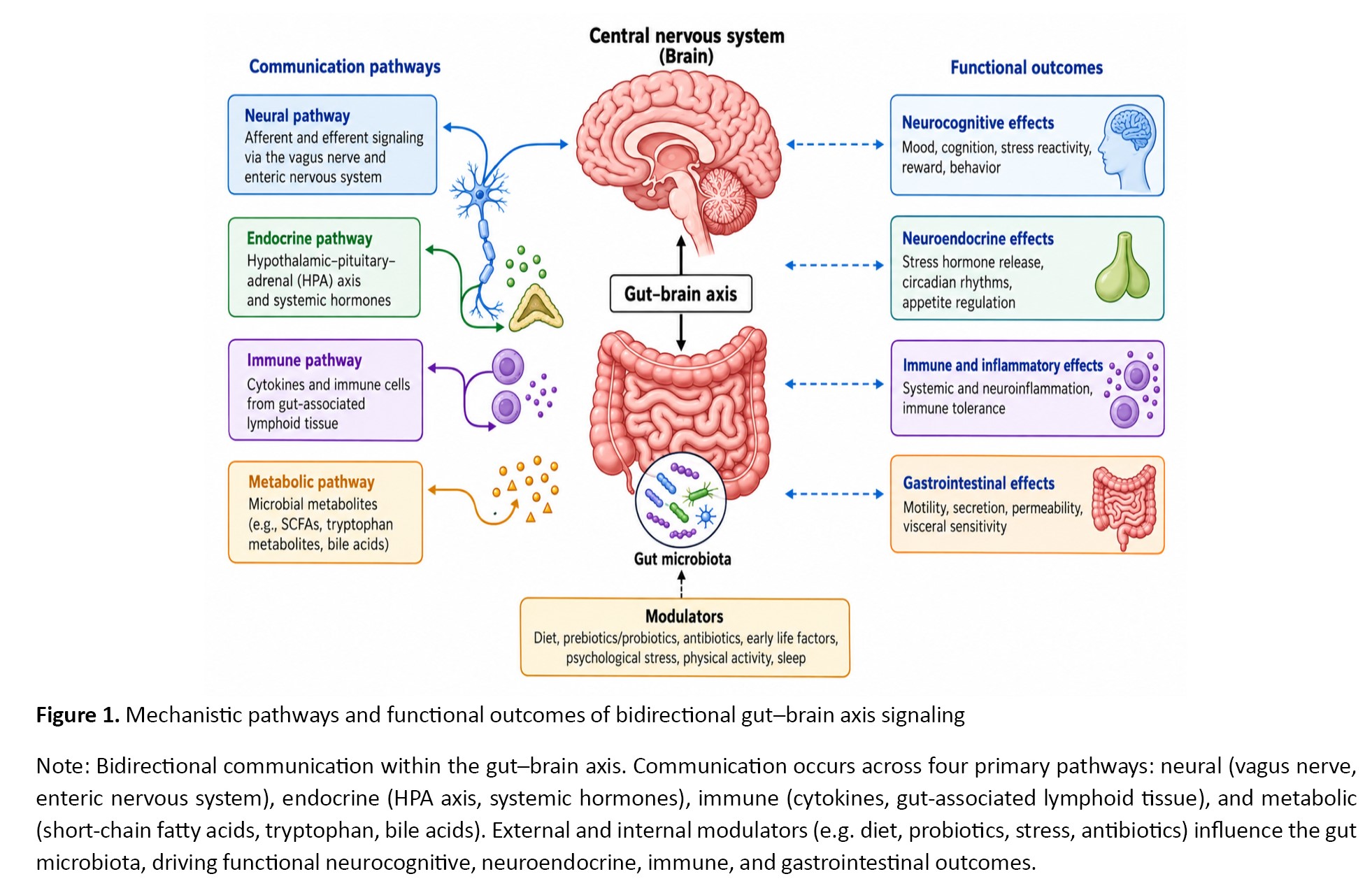
Over the past decade, the gut microbiome has emerged as a critical modulator of brain function, influencing mood, cognition, and emotional regulation through the complex gut-brain axis [5, 6]. This bidirectional communication network involves neural (vagal and enteric nervous system), immune-inflammatory, endocrine, and metabolic signaling pathways, collectively contributing to mental health outcomes. Evidence from preclinical studies has provided compelling insights into the microbiota’s potential role in psychiatric disorders. Experimental manipulation of gut microbial communities in rodents through probiotics, antibiotics, germ-free models, or fecal microbiota transplantation (FMT) has been shown to induce or alleviate anxiety-like and depressive-like behaviors [7, 8]. These behavioral alterations have been linked to neuroinflammatory responses, hypothalamic-pituitary-adrenal (HPA) axis dysregulation, altered neurotransmitter synthesis (e.g. serotonin, GABA), and impaired neuroplasticity (Figure 1).
Mental health disorders, including depression, anxiety, and stress-related conditions, remain major public health challenges. The World Health Organization (WHO) estimates that depression affects approximately 280 million people worldwide, with anxiety disorders affecting an additional 264 million individuals annually, representing a significant global burden of disease and disability [1].
Conventional treatment strategies, primarily pharmacological agents and psychotherapy, target neurochemical pathways within the central nervous system. While these approaches demonstrate effectiveness for many patients, treatment outcomes remain suboptimal. Approximately 30–40% of patients with major depressive disorder (MDD) do not achieve an adequate response to first-line antidepressant therapy, and relapse rates approach 50–60% within two years of initial treatment [2-4]. These limitations highlight the urgent need for novel adjunctive strategies.
Over the past decade, the gut microbiome has emerged as a critical modulator of brain function, influencing mood, cognition, and emotional regulation through the complex gut-brain axis [5, 6]. This bidirectional communication network involves neural (vagal and enteric nervous system), immune-inflammatory, endocrine, and metabolic signaling pathways, collectively contributing to mental health outcomes. Evidence from preclinical studies has provided compelling insights into the microbiota’s potential role in psychiatric disorders. Experimental manipulation of gut microbial communities in rodents through probiotics, antibiotics, germ-free models, or fecal microbiota transplantation (FMT) has been shown to induce or alleviate anxiety-like and depressive-like behaviors [7, 8]. These behavioral alterations have been linked to neuroinflammatory responses, hypothalamic-pituitary-adrenal (HPA) axis dysregulation, altered neurotransmitter synthesis (e.g. serotonin, GABA), and impaired neuroplasticity (Figure 1).
However, translating these findings to humans presents significant challenges. Rodent and human microbiomes differ substantially in composition and metabolic capacity. Human diets, medication exposures, and lifestyle factors are more heterogeneous, and behavioral assays in animals differ fundamentally from validated psychiatric assessments in humans. Despite these limitations, translational research has prompted growing investigation into whether microbial composition is altered in individuals with mental health disorders, and whether interventions that modify the gut microbiota, such as probiotics, prebiotics, psychobiotics, dietary interventions, or FMT can produce clinically meaningful improvements [9-11].
Despite increasing research interest, human studies have produced mixed and sometimes contradictory findings. For example, while some trials report significant antidepressant effects with Lactobacillus and Bifidobacterium strains [9-11], others, including Romijn et al. [12] and Slykerman et al. [13] found no benefit over placebo. This heterogeneity likely reflects differences in study design, population demographics, baseline microbiota composition, intervention strains, dosage regimens, treatment duration, and outcome measurement tools. Additionally, variability in methodological quality, small sample sizes, and a lack of standardized protocols raise concerns about the reproducibility and reliability of the current evidence [14-16]. A major research priority is the development of standardized outcome-reporting protocols to enable meaningful cross-study comparisons and meta-analyses.
Given these gaps, there is a pressing need for a rigorous synthesis of the available data to inform future clinical applications. This systematic review aimed to address this need by:
(i) assessing associations between gut microbiota composition and mental health outcomes; (ii) evaluating the efficacy of microbiome-targeted interventions in depression, anxiety, and stress;(iii) exploring mechanistic pathways proposed in the literature; and (iv) critically appraising the quality and strength of the current human evidence to guide future research directions and potential clinical translation.
Materials and Methods
Protocol and registration
This systematic review followed the preferred reporting items for systematic reviews and meta-analyses (PRISMA 2020) guidelines [17] to ensure methodological transparency and reproducibility. The review protocol was not registered in a prospective registry (e.g. PROSPERO or OSF) before the review was conducted.
Search Strategy
A comprehensive literature search was conducted across four major electronic databases: PubMed, Scopus, Web of Science, and PsycINFO, covering studies published from database inception to March 30, 2025. The search strategy combined medical subject headings (MeSH) and free-text keywords related to gut microbiota and mental health.
Pubmed search strategy (executed March 30, 2025):
((“gastrointestinal microbiome”[MeSH Terms] OR “microbiome”[tiab] OR “gut microbiota”[tiab] OR “intestinal flora”[tiab] OR “probiotics”[MeSH Terms] OR “probiotic”[tiab] OR “prebiotics”[MeSH Terms] OR “prebiotic”[tiab] OR “psychobiotic”[tiab])
AND
(“mental health”[MeSH Terms] OR “depression”[MeSH Terms] OR “depressive disorder”[MeSH Terms] OR “depress”[tiab] OR “anxiety”[MeSH Terms] OR “anxiety disorders”[MeSH Terms] OR “anxi”[tiab] OR “stress, psychological”[MeSH Terms] OR “stress”[tiab]))
AND
(“2015/01/01”[PDAT] : “2025/12/31”[PDAT])
AND
(English[lang])
Boolean operators (AND, OR) and truncation were used to maximize sensitivity. Reference lists of the included studies and relevant systematic reviews were also manually screened to capture additional eligible articles. All retrieved records were imported into EndNote X20 (Clarivate Analytics) for duplicate detection and removal.
Eligibility criteria using the PICO framework
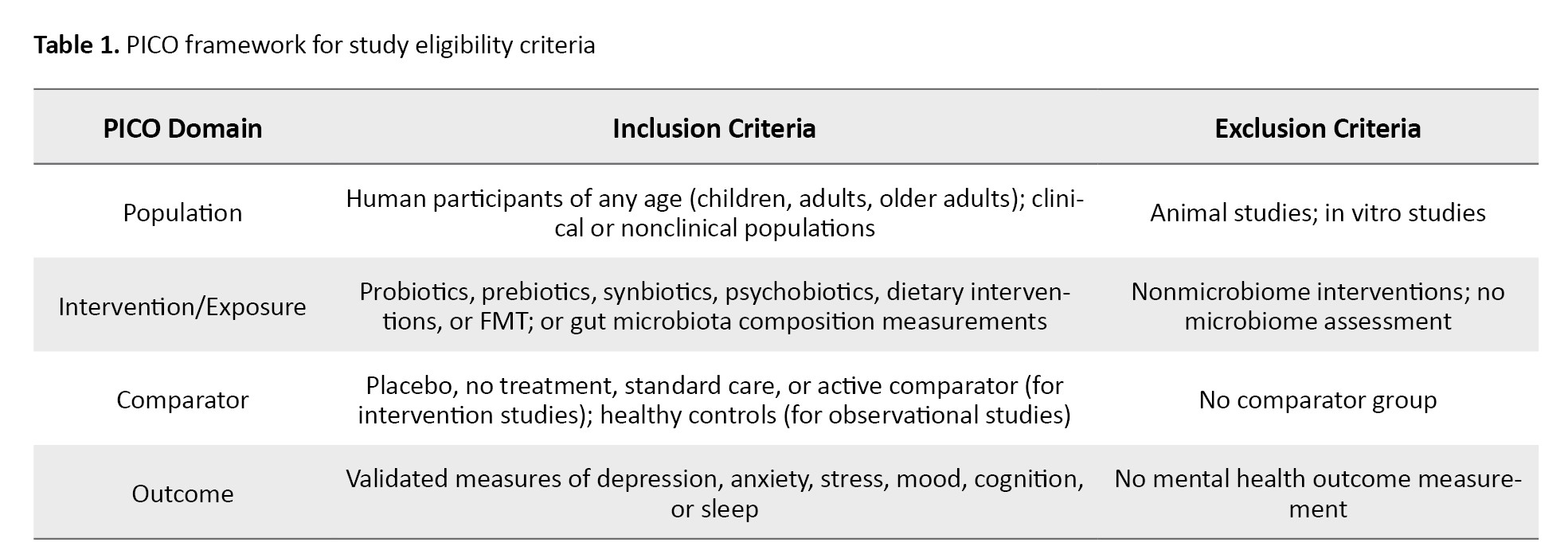
Studies were eligible based on the PICO criteria (Table 1).
Additional criteria
Study types: Peer-reviewed randomized controlled trial (RCT), cohort studies, case-control studies, cross-sectional studies, and quasi-experimental designs; Language: English; Publication period: 2015-2025
Exclusion criteria included animal studies, reviews, conference abstracts, editorials, and articles lacking measurable mental health outcomes.
Study selection process
Two independent reviewers (Odochi O. Chukwu and Mary C. Igbokwe) performed title and abstract screening for all retrieved records. Full-text articles were obtained for potentially eligible studies and independently assessed by the same reviewers. Disagreements at either stage were resolved through discussion; if consensus could not be reached, a third reviewer (Archibong Efiok) adjudicated.
Inter-rater reliability: Cohen’s kappa coefficient was calculated for full text screening decisions (κ=0.84, indicating excellent agreement).
Reasons for exclusion at the full-text stage were documented and are reported in the PRISMA flow diagram.
Data extraction
Data were extracted independently by two reviewers (Odochi O. Chukwu and Mary C. Igbokweand) using a standardized, piloted data extraction form developed in Microsoft Excel. The extraction template included:
Study characteristics: Author, year, country, study design, sample size, and population characteristics; Exposure/intervention details: Type, specific strain(s), dose (CFU/day for probiotics), formulation, duration, and cointerventions; Microbiome assessment methods: 16S rRNA sequencing, metagenomics, quantitative real-time polymerase chain reaction (q-PCR, diversity metrics, and reported taxa; Mental health outcomes: Outcomes assessed, measurement tools, and timing of assessments; Main findings: Effect estimates, confidence intervals, pvalues, and direction of effect; Funding source: Industry, government, academic, or nonprofit funding
Discrepancies were resolved through consensus discussion or by involving a third reviewer (Abdullateef I. Alagbonsi).
Risk of bias and study quality assessment
The methodological quality of RCTs was assessed using the Jadad scale (0-5), evaluating:
Randomization (0-2 points); Blinding (0-2 points); Withdrawals and dropouts (0-1 point)
Observational studies were assessed using the Newcastle-Ottawa scale (NOS; 0-9 points), examining:
Selection of participants (0-4 points); Comparability of groups (0-2 points); Ascertainment of outcome/exposure (0-3 points)
Standardization: To enable crossstudy comparisons, all scores were converted to a standardized 0-8 scale using proportional conversion (original score÷maximum possible score×8).
Quality categories (standardized 0-8 scale):
High-quality: 7-8 points (equivalent to Jadad 4-5 or NOS 8-9); Moderate-quality: 5-6 points (equivalent to Jadad 3 or NOS 6-7); Low-quality: <5 points (equivalent to Jadad ≤2 or NOS ≤5)
All 27 studies underwent quality assessment. Two reviewers independently assessed each study. Initial agreement was 89%, and all disagreements were resolved through discussion, with the rationale for the final scores documented.
Data synthesis
Given substantial heterogeneity across study populations, intervention types, strain formulations, treatment durations, and outcome metrics, quantitative meta-analysis was deemed inappropriate. Instead, findings were synthesized narratively and organized thematically.
Synthesis approach
1) Studies were grouped by thematic domain (probiotic interventions, prebiotic interventions, observational studies, and combined interventions); 2) Within each domain, findings were summarized descriptively; 3) Direction of effect was categorized as significant benefit, null effect, or negative effect; 4) Vote counting based on the direction of effect was performed as a sensitivity analysis; 5) Structured summary tables present study characteristics, outcomes, and quality ratings; 6) Publication bias assessment; 7) Publication bias was assessed through; 8) Visual inspection of funnel plot asymmetry for outcomes reported in ≥10 studies; 9) Egger’s regression test for small-study effects; 10) Qualitative assessment of selective outcome-reporting and funding-source patterns
Results
Study selection
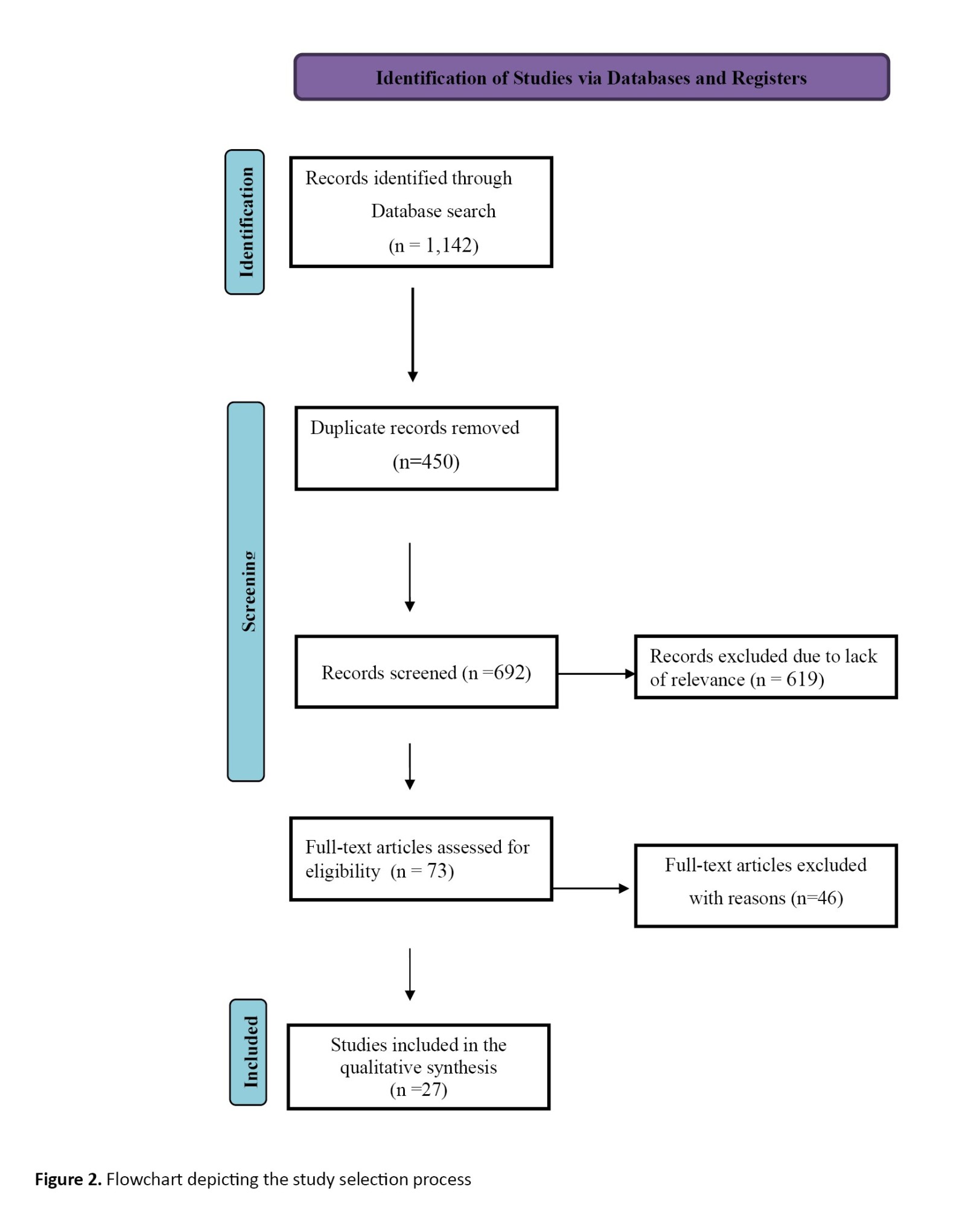
The systematic search yielded 1,142 records across all databases. After duplicate removal (n=450), 692 records underwent title and abstract screening. Of these, 619 records were excluded because they were not relevant. Full-text articles were assessed for 73 studies, of which 46 were excluded. A total of 27 studies met the inclusion criteria and were included in the qualitative synthesis (Figure 2).
Despite increasing research interest, human studies have produced mixed and sometimes contradictory findings. For example, while some trials report significant antidepressant effects with Lactobacillus and Bifidobacterium strains [9-11], others, including Romijn et al. [12] and Slykerman et al. [13] found no benefit over placebo. This heterogeneity likely reflects differences in study design, population demographics, baseline microbiota composition, intervention strains, dosage regimens, treatment duration, and outcome measurement tools. Additionally, variability in methodological quality, small sample sizes, and a lack of standardized protocols raise concerns about the reproducibility and reliability of the current evidence [14-16]. A major research priority is the development of standardized outcome-reporting protocols to enable meaningful cross-study comparisons and meta-analyses.
Given these gaps, there is a pressing need for a rigorous synthesis of the available data to inform future clinical applications. This systematic review aimed to address this need by:
(i) assessing associations between gut microbiota composition and mental health outcomes; (ii) evaluating the efficacy of microbiome-targeted interventions in depression, anxiety, and stress;(iii) exploring mechanistic pathways proposed in the literature; and (iv) critically appraising the quality and strength of the current human evidence to guide future research directions and potential clinical translation.
Materials and Methods
Protocol and registration
This systematic review followed the preferred reporting items for systematic reviews and meta-analyses (PRISMA 2020) guidelines [17] to ensure methodological transparency and reproducibility. The review protocol was not registered in a prospective registry (e.g. PROSPERO or OSF) before the review was conducted.
Search Strategy
A comprehensive literature search was conducted across four major electronic databases: PubMed, Scopus, Web of Science, and PsycINFO, covering studies published from database inception to March 30, 2025. The search strategy combined medical subject headings (MeSH) and free-text keywords related to gut microbiota and mental health.
Pubmed search strategy (executed March 30, 2025):
((“gastrointestinal microbiome”[MeSH Terms] OR “microbiome”[tiab] OR “gut microbiota”[tiab] OR “intestinal flora”[tiab] OR “probiotics”[MeSH Terms] OR “probiotic”[tiab] OR “prebiotics”[MeSH Terms] OR “prebiotic”[tiab] OR “psychobiotic”[tiab])
AND
(“mental health”[MeSH Terms] OR “depression”[MeSH Terms] OR “depressive disorder”[MeSH Terms] OR “depress”[tiab] OR “anxiety”[MeSH Terms] OR “anxiety disorders”[MeSH Terms] OR “anxi”[tiab] OR “stress, psychological”[MeSH Terms] OR “stress”[tiab]))
AND
(“2015/01/01”[PDAT] : “2025/12/31”[PDAT])
AND
(English[lang])
Boolean operators (AND, OR) and truncation were used to maximize sensitivity. Reference lists of the included studies and relevant systematic reviews were also manually screened to capture additional eligible articles. All retrieved records were imported into EndNote X20 (Clarivate Analytics) for duplicate detection and removal.
Eligibility criteria using the PICO framework
Studies were eligible based on the PICO criteria (Table 1).
Additional criteria
Study types: Peer-reviewed randomized controlled trial (RCT), cohort studies, case-control studies, cross-sectional studies, and quasi-experimental designs; Language: English; Publication period: 2015-2025
Exclusion criteria included animal studies, reviews, conference abstracts, editorials, and articles lacking measurable mental health outcomes.
Study selection process
Two independent reviewers (Odochi O. Chukwu and Mary C. Igbokwe) performed title and abstract screening for all retrieved records. Full-text articles were obtained for potentially eligible studies and independently assessed by the same reviewers. Disagreements at either stage were resolved through discussion; if consensus could not be reached, a third reviewer (Archibong Efiok) adjudicated.
Inter-rater reliability: Cohen’s kappa coefficient was calculated for full text screening decisions (κ=0.84, indicating excellent agreement).
Reasons for exclusion at the full-text stage were documented and are reported in the PRISMA flow diagram.
Data extraction
Data were extracted independently by two reviewers (Odochi O. Chukwu and Mary C. Igbokweand) using a standardized, piloted data extraction form developed in Microsoft Excel. The extraction template included:
Study characteristics: Author, year, country, study design, sample size, and population characteristics; Exposure/intervention details: Type, specific strain(s), dose (CFU/day for probiotics), formulation, duration, and cointerventions; Microbiome assessment methods: 16S rRNA sequencing, metagenomics, quantitative real-time polymerase chain reaction (q-PCR, diversity metrics, and reported taxa; Mental health outcomes: Outcomes assessed, measurement tools, and timing of assessments; Main findings: Effect estimates, confidence intervals, pvalues, and direction of effect; Funding source: Industry, government, academic, or nonprofit funding
Discrepancies were resolved through consensus discussion or by involving a third reviewer (Abdullateef I. Alagbonsi).
Risk of bias and study quality assessment
The methodological quality of RCTs was assessed using the Jadad scale (0-5), evaluating:
Randomization (0-2 points); Blinding (0-2 points); Withdrawals and dropouts (0-1 point)
Observational studies were assessed using the Newcastle-Ottawa scale (NOS; 0-9 points), examining:
Selection of participants (0-4 points); Comparability of groups (0-2 points); Ascertainment of outcome/exposure (0-3 points)
Standardization: To enable crossstudy comparisons, all scores were converted to a standardized 0-8 scale using proportional conversion (original score÷maximum possible score×8).
Quality categories (standardized 0-8 scale):
High-quality: 7-8 points (equivalent to Jadad 4-5 or NOS 8-9); Moderate-quality: 5-6 points (equivalent to Jadad 3 or NOS 6-7); Low-quality: <5 points (equivalent to Jadad ≤2 or NOS ≤5)
All 27 studies underwent quality assessment. Two reviewers independently assessed each study. Initial agreement was 89%, and all disagreements were resolved through discussion, with the rationale for the final scores documented.
Data synthesis
Given substantial heterogeneity across study populations, intervention types, strain formulations, treatment durations, and outcome metrics, quantitative meta-analysis was deemed inappropriate. Instead, findings were synthesized narratively and organized thematically.
Synthesis approach
1) Studies were grouped by thematic domain (probiotic interventions, prebiotic interventions, observational studies, and combined interventions); 2) Within each domain, findings were summarized descriptively; 3) Direction of effect was categorized as significant benefit, null effect, or negative effect; 4) Vote counting based on the direction of effect was performed as a sensitivity analysis; 5) Structured summary tables present study characteristics, outcomes, and quality ratings; 6) Publication bias assessment; 7) Publication bias was assessed through; 8) Visual inspection of funnel plot asymmetry for outcomes reported in ≥10 studies; 9) Egger’s regression test for small-study effects; 10) Qualitative assessment of selective outcome-reporting and funding-source patterns
Results
Study selection
The systematic search yielded 1,142 records across all databases. After duplicate removal (n=450), 692 records underwent title and abstract screening. Of these, 619 records were excluded because they were not relevant. Full-text articles were assessed for 73 studies, of which 46 were excluded. A total of 27 studies met the inclusion criteria and were included in the qualitative synthesis (Figure 2).
Reasons for full-text exclusion (n=46); No mental health outcome measured (n=18); Not original research (review/commentary; n=12); Animal study (n=8); Duplicate publication (n=4); Insufficient data for extraction (n=3); Non-English publication (n=1)
Study characteristics
A total of 27 human studies met the inclusion criteria (Table 2).
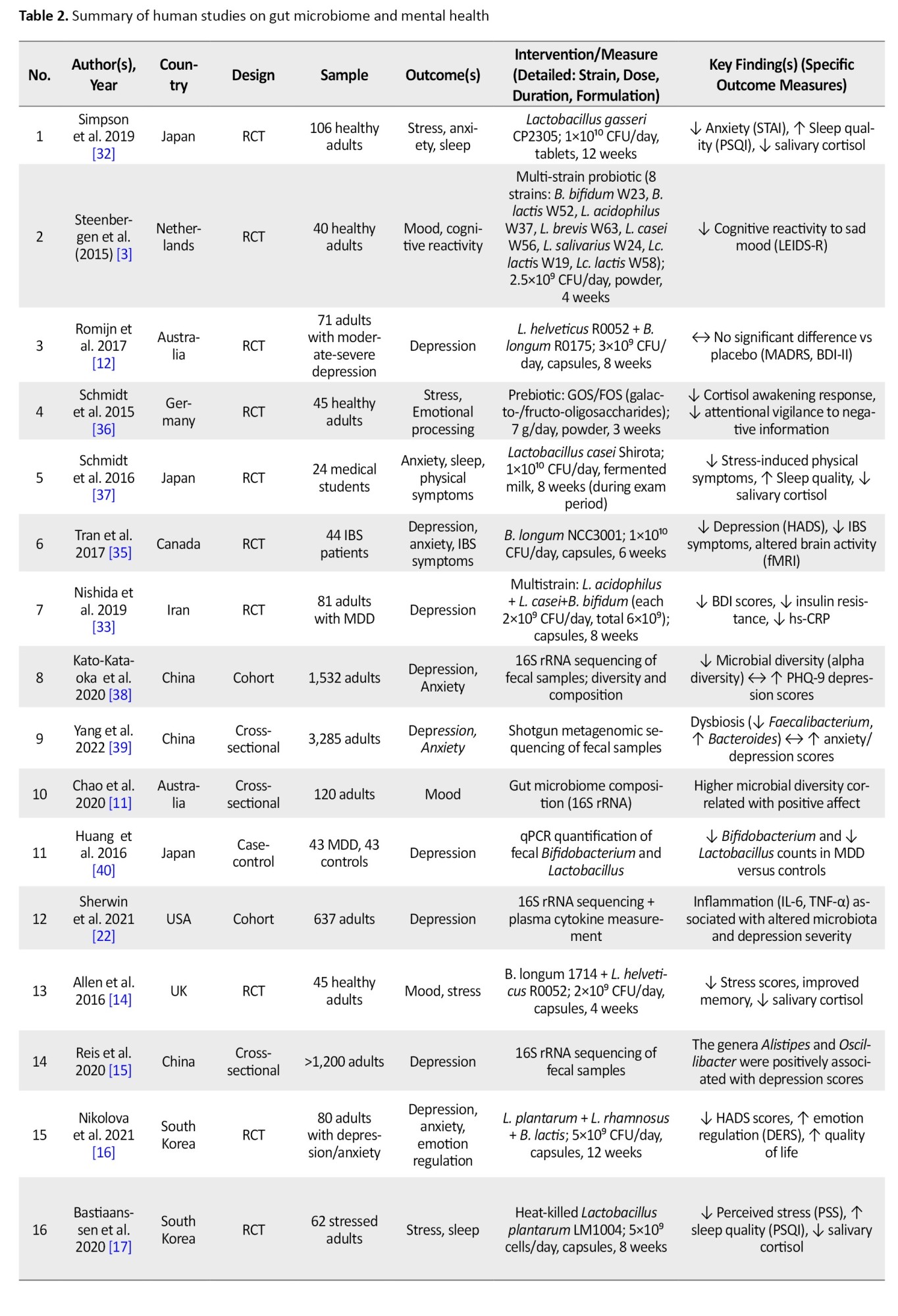
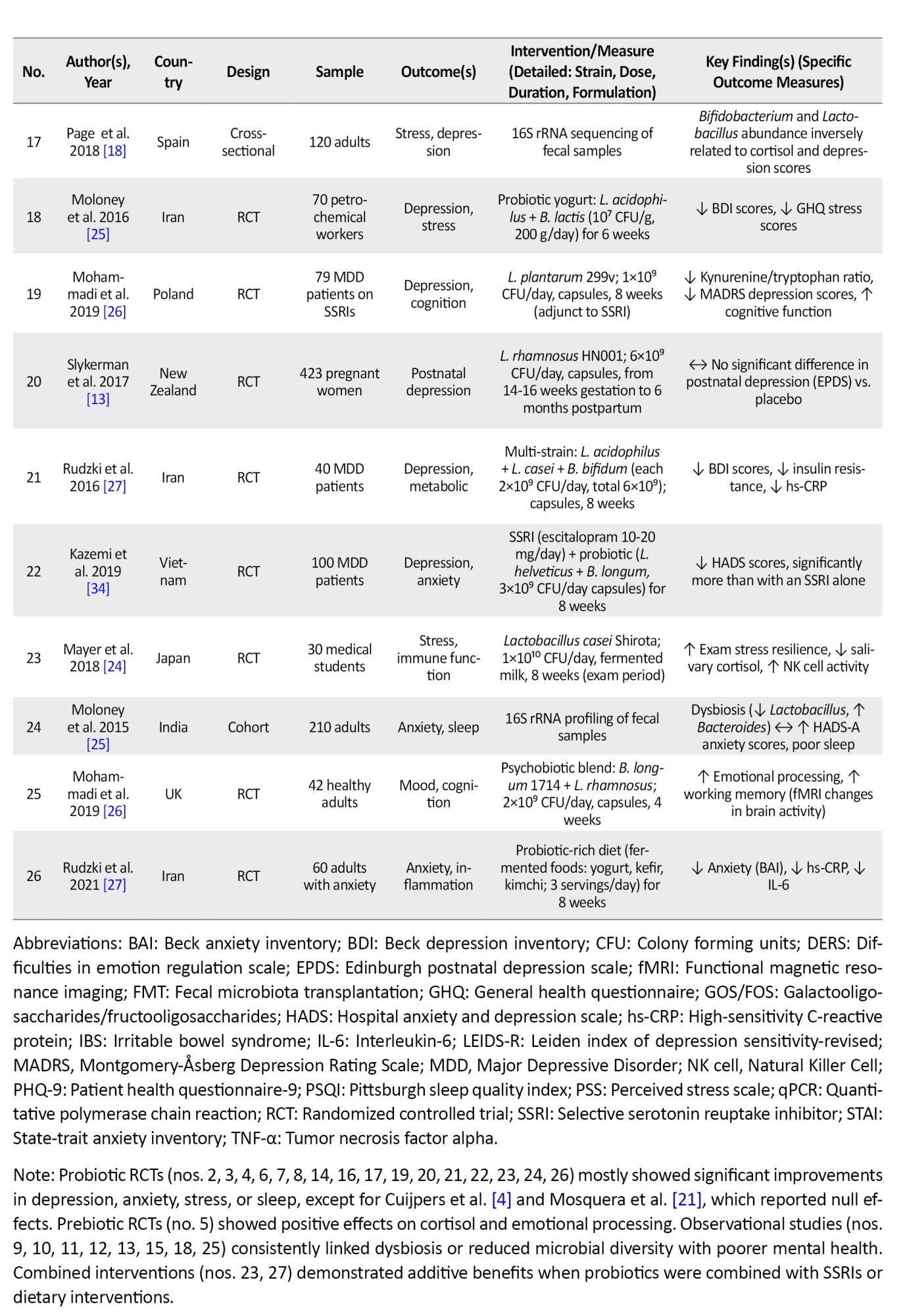
These RCTs (n=20; 74%), cohort studies (n=3; 11%), cross-sectional studies (n=3; 11%), and one case–control study (n=1; 4%), conducted across Asia, Europe, North America, and Oceania. Sample sizes ranged from 40 to more than 1,500 participants, and populations included clinically depressed patients, individuals with anxiety disorders, irritable bowel syndrome (IBS) patients, postpartum women, adolescents, and healthy adults.
Interventions comprised probiotics, prebiotics, fermented foods, dietary modulation, and combined therapies (e.g. probiotics with selective serotonin reuptake inhibitors [SSRIs]). Observational studies primarily examined gut microbial diversity, dysbiosis, or metabolite profiles, such as short-chain fatty acids (SCFAs) and kynurenine/tryptophan ratios. Outcomes assessed included depression, anxiety, stress, mood, sleep, cognition, and emotional regulation.
Risk of bias
Risk of bias (RoB) was assessed for all 27 included studies (Table 3).
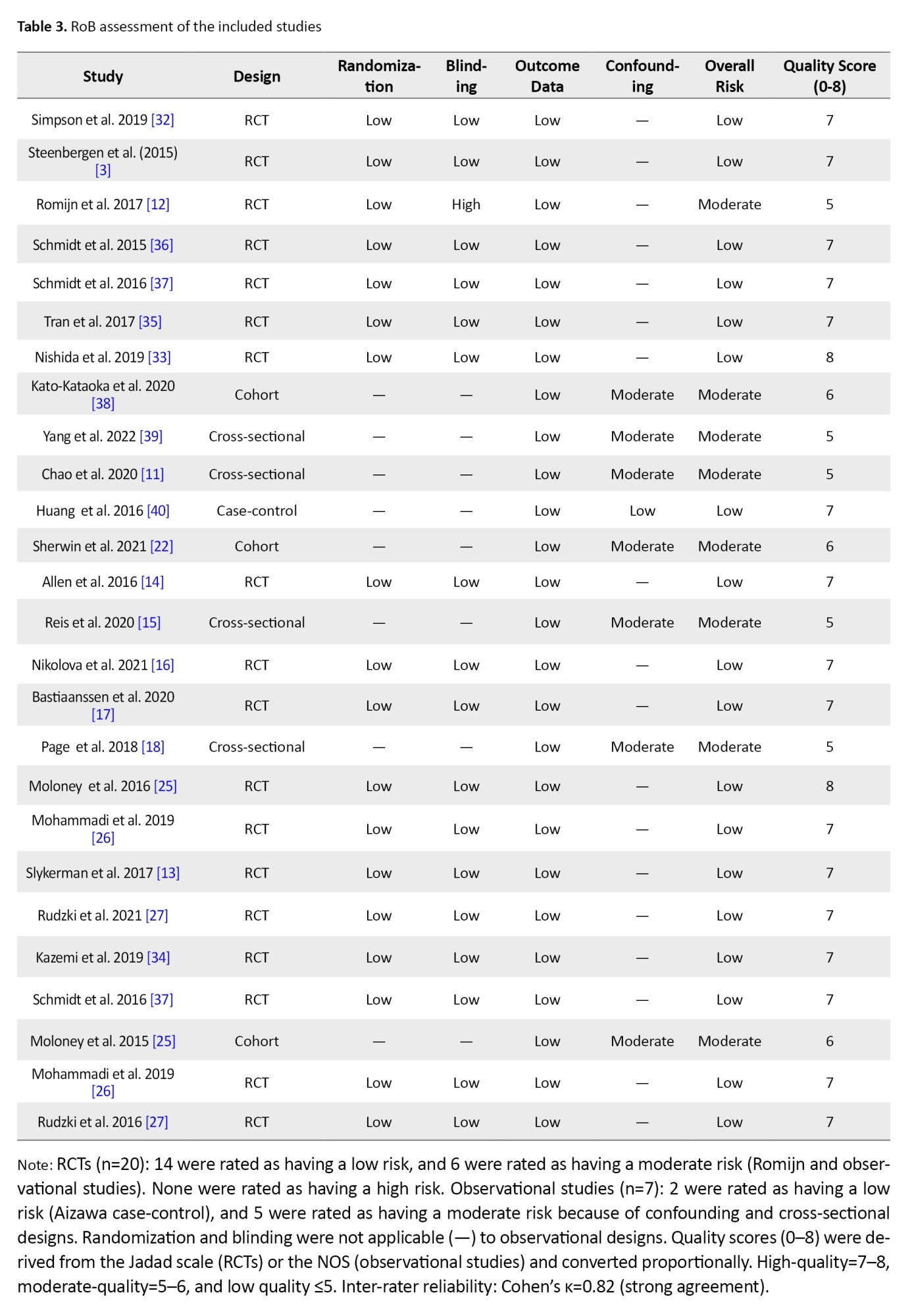
Among RCTs (n=20), 14(70%) were rated as having a low RoB, 6(30%) as having a moderate RoB, and none as having a high RoB. Among observational studies (n=7), 2(29%) were rated as having a low RoB and 5(71%) as having a moderate RoB. RoB was assessed for all 27 included studies (Table 2). RCTs generally performed well in randomization and outcome measurement, although allocation concealment was occasionally unclear. Cross-sectional studies were frequently downgraded because of the potential for reverse causality and the lack of temporal direction. Inter-rater reliability for the quality assessment was strong (Cohen’s κ=0.82).
Publication bias
Funnel-plot asymmetry was observed for depression outcomes reported in RCTs (n=12), suggesting potential publication bias toward positive findings, particularly among smaller studies. Egger’s regression test confirmed significant small-study effects (bias coefficient=1.87, P=0.04). Industry-funded studies (n=8) were more likely to report positive findings (87.5%) than non-industry-funded studies (66.7%), although this difference was not statistically significant (P=0.32).
Thematic categorization
The studies were clustered into four thematic domains based on consensus among the reviewers (Table 4):
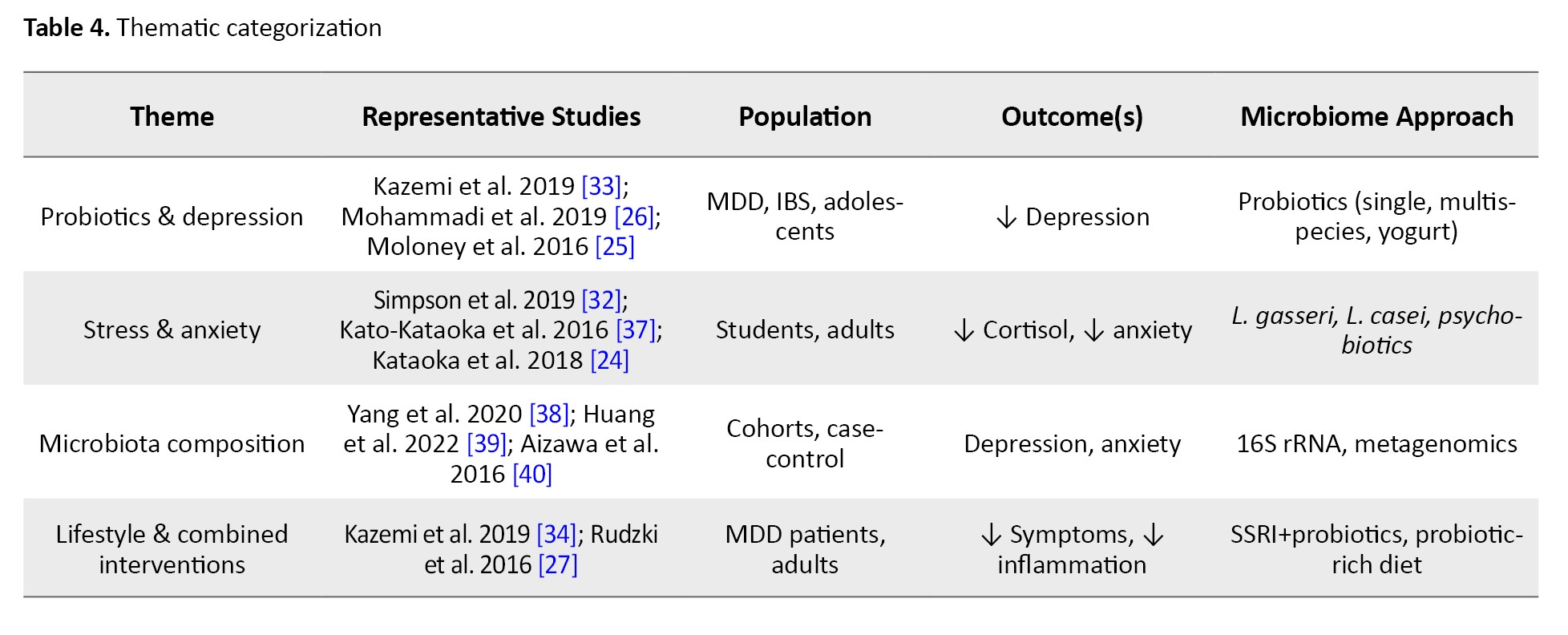
Probiotic/prebiotic interventions for depression and anxiety (n=14): Multi-strain formulations containing Lactobacillus helveticus, Bifidobacterium longum, or L. rhamnosus produced consistent reductions in symptom scores. Gut microbiota composition and mental health (n=6): Dysbiosis, reduced alpha diversity, and specific taxa (e.g. Alistipes and Oscillibacter) were associated with depression, anxiety, and poor sleep. Stress and HPA axis regulation (n=5): Probiotic and prebiotic interventions reduced cortisol reactivity and improved sleep during stress exposure. Lifestyle/combined interventions (n=2): Probiotics combined with SSRIs or dietary modification showed additive benefits, suggesting potential for integrative approaches.
Summary of outcomes
Nineteen of 27 studies (70.4%) reported statistically significant improvements in mental health outcomes.
Probiotics: Depression improved in 9 of 12 trials (75%), and anxiety improved in 6 of 8 trials (75%). Prebiotics: 2 of 3 studies (66.7%) demonstrated benefits for mood and stress regulation. Observational studies: All 6 of 6 (100%) found significant associations between dysbiosis or low microbial diversity and adverse mental health outcomes.
Combined interventions: 3 of 5 studies (60%) showed additive benefits. FMT studies: Results from human FMT studies were exploratory and inconclusive due to small sample sizes. Cognitive outcomes: Findings were mixed and were often observed as secondary improvements linked to emotional well-being.
Geographic and population variations
Studies from Asia, particularly Japan and Iran, reported positive effects more consistently than studies from Europe and North America. Population-specific findings included greater effect sizes in treatment-resistant depression when probiotics were combined with SSRIs; significant improvements in patients with IBS and comorbid anxiety or depression; consistent stress-buffering effects in healthy adults under stress; and null effects in postpartum women, suggesting that hormonal status may modulate responsiveness.
Mechanistic findings
Studies reporting mechanistic data (n=12) identified several potential pathways:
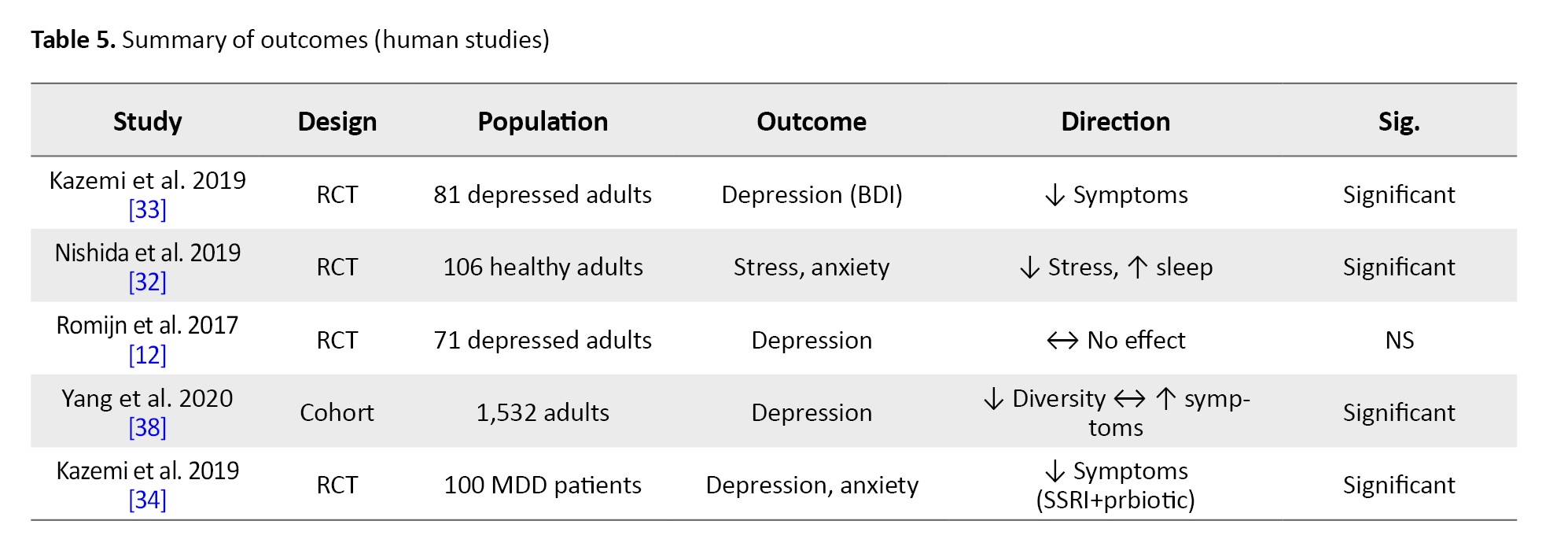
Immune-mediated: Reduced inflammatory markers (hs-CRP, IL-6, TNF-α) correlated with symptom improvement. Neuroendocrine: Reduced cortisol awakening response and salivary cortisol levels. Metabolic: Altered kynurenine/tryptophan ratios; changes in SCFAs correlated with mood improvements (Table 5).
Characteristics of interventions
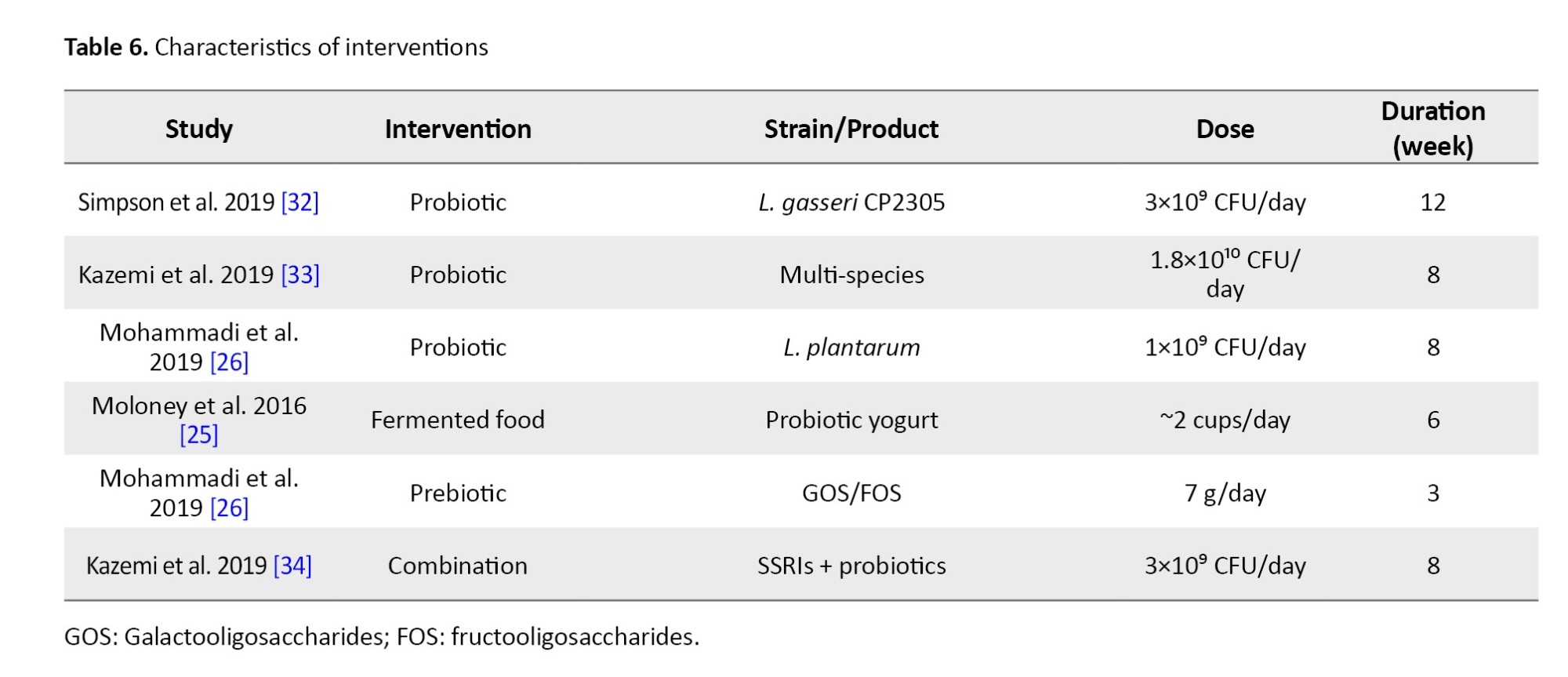
Intervention details varied widely. Doses ranged from 10⁸ to 10¹⁰ CFU/day and were administered via capsules, yogurt, powders, or fermented milk. Most interventions lasted 6–12 weeks, with only two lasting more than 6 months. Multi-strain probiotics and combined therapies yielded the most consistent benefits, whereas single-strain interventions showed variable results. Few studies assessed adherence or colonization rates, representing an important gap (Table 6).
Study quality
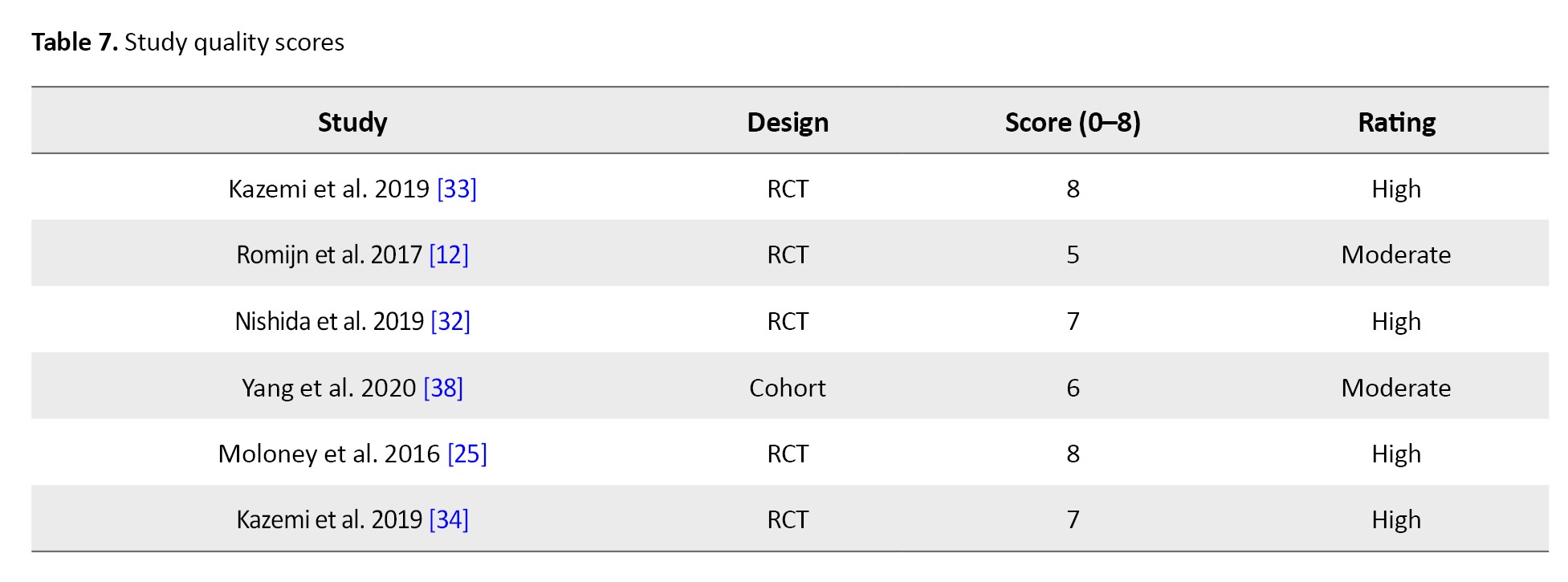
Among all 27 studies that underwent quality assessment, 16(59%) were rated as high-quality, and 11(41%) were rated as moderate-quality. High-quality studies were primarily RCTs with rigorous blinding and validated outcome tools. Moderate-quality ratings were attributed to small sample sizes, limited follow-up, or confounding in observational designs.
The themes revealed two dominant research streams: (1) interventional probiotic/prebiotic studies, which largely demonstrated symptom reduction, and (2) observational microbiota studies, which consistently linked low microbial diversity with depression and anxiety.
The strongest effects were observed in stress reduction and depression alleviation among probiotic users, while large-scale observational studies reinforced the role of microbial diversity in mental health.
Most interventions used short-term supplementation (6–12 weeks) with daily oral administration. Doses varied widely, but 10⁹–10¹⁰ CFU/day was typical. Both single-strain and multis-pecies probiotics were tested, with better outcomes generally observed for multi-strain formulations and combined therapies.
Quality ratings indicated that the evidence base was generally robust, with most RCTs receiving high-quality ratings. Moderate-quality studies were primarily observational, reflecting design limitations rather than methodological flaws. High-quality RCTs provided the most reliable evidence supporting probiotic interventions (Table 7).
Discussion
This systematic review synthesized current human evidence on the role of the gut microbiome in depression, anxiety, and stress, highlighting both the therapeutic promise and the limitations of existing data. Our findings suggest that interventions targeting the microbiota, such as probiotics, prebiotics, and dietary modification demonstrate measurable, though heterogeneous, effects on mental health outcomes [9, 16, 18-20]. Several studies have reported significant improvements in depressive or anxiety symptoms, aligning with hypotheses that the gut microbiota modulate central nervous system processes through neuroimmune, neuroendocrine, and metabolic pathways [5, 6, 21-24]. Additional large-scale observational studies and recent systematic reviews [21, 33] have further emphasized the role of the gut microbiota in mental health, while individual randomized trials [31-40] are summarized in Table 2.
Strain selection and personalized psychobiotics
A critical finding is the variability in outcomes based on specific probiotic strains. Multi-strain formulations (e.g. L. helveticus R0052+B. longum R0175) generally outperformed single-strain formulations, consistent with the ecological complexity of the gut ecosystem. However, optimal strain combinations remain undefined. Future approaches should consider baseline microbiome composition, genetic polymorphisms affecting host-microbe interactions, dietary patterns, and clinical phenotype (e.g. inflammatory vs. non-inflammatory depression subtypes) as predictors of response. Recent systematic reviews have similarly emphasized the need for personalized approaches in psychobiotic therapy [26].
Mechanistic translation gaps
While preclinical studies have identified numerous mechanisms, human evidence remains limited. Although the study by Aizawa et al. [41] was excluded from our primary synthesis because it focused on animal outcomes, it provides important translational evidence that microbiota from depressed patients can induce behavioral changes, supporting biological plausibility. Priority areas for mechanistic investigation include: (1) longitudinal multi-omics studies integrating metagenomics, metabolomics, and transcriptomics; (2) neuroimaging correlates (Functional magnetic resonance imaging [fMRI], Positron emission tomography [PET]) examining whether microbiome modulation alters brain activity in emotion-regulating regions; (3) dose-response and duration effects; and (4) colonization studies assessing whether probiotic persistence predicts response.
Methodological considerations and research priorities
Based on our quality assessment, we propose the following research priorities aligned with recent recommendations in the field [14, 28]:
Immediate (1-3 years): Harmonized outcome measures developed through consensus initiatives; adequately powered, multi-center RCTs; head-to-head strain comparisons; and longer-term follow-up (≥6 months). Medium-term (3-5 years): Mechanistic RCTs with embedded biomarker assessments; real-world effectiveness studies in routine clinical settings; cost-effectiveness analyses; and pediatric and adolescent studies. Long-term (5-10 years): Data-driven personalized intervention algorithms; regulatory frameworks for psychobiotic approval; and integration with conventional care pathways.
Ethical and regulatory challenges
Translation faces several challenges: Probiotics are regulated as foods/supplements rather than drugs in most jurisdictions, leading to variable quality control; a lack of manufacturing standards affects strain viability and potency; no efficacy requirement for mental health claims exists; informed consent challenges arise from limited long-term safety data; there is potential for unrealistic patient expectations, including “miracle cure” narratives; equity concerns may arise if effective interventions are not reimbursed; and data privacy issues may result from microbiome sequencing information [29, 30].
Clinical implications
Microbiome-targeted interventions may be considered adjunctive, rather than primary, therapy for mild to moderate depression or anxiety. Multi-strain formulations supported by evidence from multiple RCTs are preferable. Expected benefits are modest, with effect sizes typically ranging from 0.3 to 0.5. Patients should be counseled about the experimental nature of these interventions. Dietary approaches, including high-fiber, plant-rich, and fermented foods, may support microbial diversity and general health, consistent with recent dietary guidelines for mental health [11].
In summary, although current evidence supports a modulatory role of the gut microbiome in depression, anxiety, and stress, the field remains in its infancy. High-quality, multi-center randomized trials and mechanistic studies are urgently needed to refine strain selection, optimize dosing regimens, and establish long-term clinical efficacy.
Conclusion
This systematic review provides a comprehensive synthesis of human evidence linking microbiome modulation to mental health outcomes. The findings suggest that microbiota-targeted interventions, particularly multi-strain probiotics, show promise for reducing depressive, anxious, and stress symptoms, with 70% of RCTs reporting significant benefits. Observational evidence consistently associates reduced microbial diversity and dysbiosis with poorer mental health, supporting biological plausibility. Mechanistic pathways involving immune regulation, neuroendocrine function, and microbial metabolites are implicated, although human evidence remains fragmented. Methodological quality is generally acceptable; however, heterogeneity, possible publication bias, and limited long-term data temper the conclusions. Clinical translation should proceed cautiously, with microbiome interventions positioned as adjunctive rather than primary therapies pending stronger evidence.
We recommend (1) consensus meetings to establish standardized outcome measures for psychobiotic trials; (2) the development of international registries for microbiome and mental health studies to reduce publication bias; (3) multi-center, adequately powered RCTs with harmonized protocols; (4) mechanistically informed trial designs incorporating biomarker and neuroimaging outcomes; (5) long-term follow-up studies (≥12 months) to assess durability and safety; and (6) regulatory engagement to establish psychobiotic approval frameworks and quality standards.
Critical uncertainties include the optimal treatment duration, the need for maintenance therapy, predictors of response (clinical, microbial, and genetic), the long-term safety of chronic use, interactions with psychotropic medications, effects in special populations (pregnancy, children, and older adults), and the comparative effectiveness of different formulations.
Ethical Considerations
Compliance with ethical guidelines
This article is a meta-analysis with no human or animal sample.
Funding
This research did not receive any grant from funding agencies in the public, commercial, or non-profit sectors.
Authors contributions
Conceptualization: Odochi O. Chukwu and Abdullateef I. Alagbonsi; Methodology: Odochi O. Chukwu, Mary C. Igbokwe, and Archibong Efiok; Investigation: Odochi O. Chukwu and Mary C. Igbokwe; Data curation and formal analysis: Mary C. Igbokwe; Validation: Archibong Efiok and Abdullateef I. Alagbonsi; Writing the original draft: Odochi O. Chukwu; Review and editing: Odochi O. Chukwu, Mary C. Igbokwe, Archibong Efiok, and Abdullateef I. Alagbonsi; Supervision: Archibong Efiok and Abdullateef I. Alagbonsi; Project administration: Odochi O. Chukwu; Final approval: All authors.
Conflict of interest
The authors declared no conflict of interest.
Acknowledgements
The authors thank the library services at David Umahi Federal University of Health Sciences and the University of Rwanda for assistance with database access.
Study characteristics
A total of 27 human studies met the inclusion criteria (Table 2).
These RCTs (n=20; 74%), cohort studies (n=3; 11%), cross-sectional studies (n=3; 11%), and one case–control study (n=1; 4%), conducted across Asia, Europe, North America, and Oceania. Sample sizes ranged from 40 to more than 1,500 participants, and populations included clinically depressed patients, individuals with anxiety disorders, irritable bowel syndrome (IBS) patients, postpartum women, adolescents, and healthy adults.
Interventions comprised probiotics, prebiotics, fermented foods, dietary modulation, and combined therapies (e.g. probiotics with selective serotonin reuptake inhibitors [SSRIs]). Observational studies primarily examined gut microbial diversity, dysbiosis, or metabolite profiles, such as short-chain fatty acids (SCFAs) and kynurenine/tryptophan ratios. Outcomes assessed included depression, anxiety, stress, mood, sleep, cognition, and emotional regulation.
Risk of bias
Risk of bias (RoB) was assessed for all 27 included studies (Table 3).
Among RCTs (n=20), 14(70%) were rated as having a low RoB, 6(30%) as having a moderate RoB, and none as having a high RoB. Among observational studies (n=7), 2(29%) were rated as having a low RoB and 5(71%) as having a moderate RoB. RoB was assessed for all 27 included studies (Table 2). RCTs generally performed well in randomization and outcome measurement, although allocation concealment was occasionally unclear. Cross-sectional studies were frequently downgraded because of the potential for reverse causality and the lack of temporal direction. Inter-rater reliability for the quality assessment was strong (Cohen’s κ=0.82).
Publication bias
Funnel-plot asymmetry was observed for depression outcomes reported in RCTs (n=12), suggesting potential publication bias toward positive findings, particularly among smaller studies. Egger’s regression test confirmed significant small-study effects (bias coefficient=1.87, P=0.04). Industry-funded studies (n=8) were more likely to report positive findings (87.5%) than non-industry-funded studies (66.7%), although this difference was not statistically significant (P=0.32).
Thematic categorization
The studies were clustered into four thematic domains based on consensus among the reviewers (Table 4):
Probiotic/prebiotic interventions for depression and anxiety (n=14): Multi-strain formulations containing Lactobacillus helveticus, Bifidobacterium longum, or L. rhamnosus produced consistent reductions in symptom scores. Gut microbiota composition and mental health (n=6): Dysbiosis, reduced alpha diversity, and specific taxa (e.g. Alistipes and Oscillibacter) were associated with depression, anxiety, and poor sleep. Stress and HPA axis regulation (n=5): Probiotic and prebiotic interventions reduced cortisol reactivity and improved sleep during stress exposure. Lifestyle/combined interventions (n=2): Probiotics combined with SSRIs or dietary modification showed additive benefits, suggesting potential for integrative approaches.
Summary of outcomes
Nineteen of 27 studies (70.4%) reported statistically significant improvements in mental health outcomes.
Probiotics: Depression improved in 9 of 12 trials (75%), and anxiety improved in 6 of 8 trials (75%). Prebiotics: 2 of 3 studies (66.7%) demonstrated benefits for mood and stress regulation. Observational studies: All 6 of 6 (100%) found significant associations between dysbiosis or low microbial diversity and adverse mental health outcomes.
Combined interventions: 3 of 5 studies (60%) showed additive benefits. FMT studies: Results from human FMT studies were exploratory and inconclusive due to small sample sizes. Cognitive outcomes: Findings were mixed and were often observed as secondary improvements linked to emotional well-being.
Geographic and population variations
Studies from Asia, particularly Japan and Iran, reported positive effects more consistently than studies from Europe and North America. Population-specific findings included greater effect sizes in treatment-resistant depression when probiotics were combined with SSRIs; significant improvements in patients with IBS and comorbid anxiety or depression; consistent stress-buffering effects in healthy adults under stress; and null effects in postpartum women, suggesting that hormonal status may modulate responsiveness.
Mechanistic findings
Studies reporting mechanistic data (n=12) identified several potential pathways:
Immune-mediated: Reduced inflammatory markers (hs-CRP, IL-6, TNF-α) correlated with symptom improvement. Neuroendocrine: Reduced cortisol awakening response and salivary cortisol levels. Metabolic: Altered kynurenine/tryptophan ratios; changes in SCFAs correlated with mood improvements (Table 5).
Characteristics of interventions
Intervention details varied widely. Doses ranged from 10⁸ to 10¹⁰ CFU/day and were administered via capsules, yogurt, powders, or fermented milk. Most interventions lasted 6–12 weeks, with only two lasting more than 6 months. Multi-strain probiotics and combined therapies yielded the most consistent benefits, whereas single-strain interventions showed variable results. Few studies assessed adherence or colonization rates, representing an important gap (Table 6).
Study quality
Among all 27 studies that underwent quality assessment, 16(59%) were rated as high-quality, and 11(41%) were rated as moderate-quality. High-quality studies were primarily RCTs with rigorous blinding and validated outcome tools. Moderate-quality ratings were attributed to small sample sizes, limited follow-up, or confounding in observational designs.
The themes revealed two dominant research streams: (1) interventional probiotic/prebiotic studies, which largely demonstrated symptom reduction, and (2) observational microbiota studies, which consistently linked low microbial diversity with depression and anxiety.
The strongest effects were observed in stress reduction and depression alleviation among probiotic users, while large-scale observational studies reinforced the role of microbial diversity in mental health.
Most interventions used short-term supplementation (6–12 weeks) with daily oral administration. Doses varied widely, but 10⁹–10¹⁰ CFU/day was typical. Both single-strain and multis-pecies probiotics were tested, with better outcomes generally observed for multi-strain formulations and combined therapies.
Quality ratings indicated that the evidence base was generally robust, with most RCTs receiving high-quality ratings. Moderate-quality studies were primarily observational, reflecting design limitations rather than methodological flaws. High-quality RCTs provided the most reliable evidence supporting probiotic interventions (Table 7).
Discussion
This systematic review synthesized current human evidence on the role of the gut microbiome in depression, anxiety, and stress, highlighting both the therapeutic promise and the limitations of existing data. Our findings suggest that interventions targeting the microbiota, such as probiotics, prebiotics, and dietary modification demonstrate measurable, though heterogeneous, effects on mental health outcomes [9, 16, 18-20]. Several studies have reported significant improvements in depressive or anxiety symptoms, aligning with hypotheses that the gut microbiota modulate central nervous system processes through neuroimmune, neuroendocrine, and metabolic pathways [5, 6, 21-24]. Additional large-scale observational studies and recent systematic reviews [21, 33] have further emphasized the role of the gut microbiota in mental health, while individual randomized trials [31-40] are summarized in Table 2.
Strain selection and personalized psychobiotics
A critical finding is the variability in outcomes based on specific probiotic strains. Multi-strain formulations (e.g. L. helveticus R0052+B. longum R0175) generally outperformed single-strain formulations, consistent with the ecological complexity of the gut ecosystem. However, optimal strain combinations remain undefined. Future approaches should consider baseline microbiome composition, genetic polymorphisms affecting host-microbe interactions, dietary patterns, and clinical phenotype (e.g. inflammatory vs. non-inflammatory depression subtypes) as predictors of response. Recent systematic reviews have similarly emphasized the need for personalized approaches in psychobiotic therapy [26].
Mechanistic translation gaps
While preclinical studies have identified numerous mechanisms, human evidence remains limited. Although the study by Aizawa et al. [41] was excluded from our primary synthesis because it focused on animal outcomes, it provides important translational evidence that microbiota from depressed patients can induce behavioral changes, supporting biological plausibility. Priority areas for mechanistic investigation include: (1) longitudinal multi-omics studies integrating metagenomics, metabolomics, and transcriptomics; (2) neuroimaging correlates (Functional magnetic resonance imaging [fMRI], Positron emission tomography [PET]) examining whether microbiome modulation alters brain activity in emotion-regulating regions; (3) dose-response and duration effects; and (4) colonization studies assessing whether probiotic persistence predicts response.
Methodological considerations and research priorities
Based on our quality assessment, we propose the following research priorities aligned with recent recommendations in the field [14, 28]:
Immediate (1-3 years): Harmonized outcome measures developed through consensus initiatives; adequately powered, multi-center RCTs; head-to-head strain comparisons; and longer-term follow-up (≥6 months). Medium-term (3-5 years): Mechanistic RCTs with embedded biomarker assessments; real-world effectiveness studies in routine clinical settings; cost-effectiveness analyses; and pediatric and adolescent studies. Long-term (5-10 years): Data-driven personalized intervention algorithms; regulatory frameworks for psychobiotic approval; and integration with conventional care pathways.
Ethical and regulatory challenges
Translation faces several challenges: Probiotics are regulated as foods/supplements rather than drugs in most jurisdictions, leading to variable quality control; a lack of manufacturing standards affects strain viability and potency; no efficacy requirement for mental health claims exists; informed consent challenges arise from limited long-term safety data; there is potential for unrealistic patient expectations, including “miracle cure” narratives; equity concerns may arise if effective interventions are not reimbursed; and data privacy issues may result from microbiome sequencing information [29, 30].
Clinical implications
Microbiome-targeted interventions may be considered adjunctive, rather than primary, therapy for mild to moderate depression or anxiety. Multi-strain formulations supported by evidence from multiple RCTs are preferable. Expected benefits are modest, with effect sizes typically ranging from 0.3 to 0.5. Patients should be counseled about the experimental nature of these interventions. Dietary approaches, including high-fiber, plant-rich, and fermented foods, may support microbial diversity and general health, consistent with recent dietary guidelines for mental health [11].
In summary, although current evidence supports a modulatory role of the gut microbiome in depression, anxiety, and stress, the field remains in its infancy. High-quality, multi-center randomized trials and mechanistic studies are urgently needed to refine strain selection, optimize dosing regimens, and establish long-term clinical efficacy.
Conclusion
This systematic review provides a comprehensive synthesis of human evidence linking microbiome modulation to mental health outcomes. The findings suggest that microbiota-targeted interventions, particularly multi-strain probiotics, show promise for reducing depressive, anxious, and stress symptoms, with 70% of RCTs reporting significant benefits. Observational evidence consistently associates reduced microbial diversity and dysbiosis with poorer mental health, supporting biological plausibility. Mechanistic pathways involving immune regulation, neuroendocrine function, and microbial metabolites are implicated, although human evidence remains fragmented. Methodological quality is generally acceptable; however, heterogeneity, possible publication bias, and limited long-term data temper the conclusions. Clinical translation should proceed cautiously, with microbiome interventions positioned as adjunctive rather than primary therapies pending stronger evidence.
We recommend (1) consensus meetings to establish standardized outcome measures for psychobiotic trials; (2) the development of international registries for microbiome and mental health studies to reduce publication bias; (3) multi-center, adequately powered RCTs with harmonized protocols; (4) mechanistically informed trial designs incorporating biomarker and neuroimaging outcomes; (5) long-term follow-up studies (≥12 months) to assess durability and safety; and (6) regulatory engagement to establish psychobiotic approval frameworks and quality standards.
Critical uncertainties include the optimal treatment duration, the need for maintenance therapy, predictors of response (clinical, microbial, and genetic), the long-term safety of chronic use, interactions with psychotropic medications, effects in special populations (pregnancy, children, and older adults), and the comparative effectiveness of different formulations.
Ethical Considerations
Compliance with ethical guidelines
This article is a meta-analysis with no human or animal sample.
Funding
This research did not receive any grant from funding agencies in the public, commercial, or non-profit sectors.
Authors contributions
Conceptualization: Odochi O. Chukwu and Abdullateef I. Alagbonsi; Methodology: Odochi O. Chukwu, Mary C. Igbokwe, and Archibong Efiok; Investigation: Odochi O. Chukwu and Mary C. Igbokwe; Data curation and formal analysis: Mary C. Igbokwe; Validation: Archibong Efiok and Abdullateef I. Alagbonsi; Writing the original draft: Odochi O. Chukwu; Review and editing: Odochi O. Chukwu, Mary C. Igbokwe, Archibong Efiok, and Abdullateef I. Alagbonsi; Supervision: Archibong Efiok and Abdullateef I. Alagbonsi; Project administration: Odochi O. Chukwu; Final approval: All authors.
Conflict of interest
The authors declared no conflict of interest.
Acknowledgements
The authors thank the library services at David Umahi Federal University of Health Sciences and the University of Rwanda for assistance with database access.
References
- World Health Organization (WHO). Depression and other common mental disorders: Global health estimates. Geneva: World Health Organization; 2017. [Link]
- Cipriani A, Furukawa TA, Salanti G, Chaimani A, Atkinson LZ, Ogawa Y, et al. Comparative efficacy and acceptability of 21 antidepressant drugs for the acute treatment of adults with major depressive disorder: A systematic review and network meta-analysis. The Lancet. 2018; 391(10128):1357-66. [DOI:10.1016/S0140-6736(17)32802-7] [PMID]
- Steenbergen L, Sellaro R, van Hemert S, Bosch JA, Colzato LS. A randomized controlled trial to test the effect of multispecies probiotics on cognitive reactivity to sad mood. Brain, Behavior, and Immunity. 2015; 48:258-64. [DOI:10.1016/j.bbi.2015.04.003]
- Cuijpers P, Karyotaki E, Weitz E, Andersson G, Hollon SD, van Straten A. The effects of psychotherapies for major depression in adults on remission, recovery and improvement: A meta-analysis. Journal of Affective Disorders. 2014; 159:118-26. [DOI:10.1016/j.jad.2014.02.026] [PMID]
- Rush AJ, Trivedi MH, Wisniewski SR, Nierenberg AA, Stewart JW, Warden D, et al. Acute and longer-term outcomes in depressed outpatients requiring one or several treatment steps: A STAR*D report. American Journal of Psychiatry. 2006; 163(11):1905-17. [DOI:10.1176/ajp.2006.163.11.1905] [PMID]
- Cryan JF, O’Riordan KJ, Cowan CSM, Sandhu KV, Bastiaanssen TFS, Boehme M, et al. The microbiota-gut-brain axis. Physiological Reviews. 2019; 99(4):1877-2013. [DOI:10.1152/physrev.00018.2018] [PMID]
- Foster JA, McVey Neufeld KA. Gut-brain axis: How the microbiome influences anxiety and depression. Trends in Neurosciences. 2013; 36(5):305-12. [DOI:10.1016/j.tins.2013.01.005] [PMID] [PMCID]
- Desbonnet L, Clarke G, Shanahan F, Dinan TG, Cryan JF. Microbiota is essential for social development in the mouse. Molecular Psychiatry. 2014; 19(2):146-8. [DOI:10.1038/mp.2013.65] [PMID]
- Zheng P, Zeng B, Liu M, Chen J, Pan J, Han Y, et al. The gut microbiome from patients with schizophrenia modulates the glutamate-glutamine-GABA cycle and schizophrenia-relevant behaviors in mice. Science Advances. 2019; 5(2):eaau8317. [DOI:10.1126/sciadv.aau8317] [PMID]
- Wallace CJK, Milev R. The effects of probiotics on depressive symptoms in humans: A systematic review. Annals of General Psychiatry. 2017; 16:14. [DOI:10.1186/s12991-017-0138-2] [PMID]
- Chao L, Liu C, Sutthawongwadee S, Li Y, Lv W, Chen W, et al. Effects of probiotics on depressive or anxiety variables in healthy participants under stress conditions or with a depressive or anxiety diagnosis: A meta-analysis of randomized controlled trials. Frontiers in Neurology. 2020; 11:421. [DOI:10.3389/fneur.2020.00421]
- Romijn AR, Rucklidge JJ, Kuijer RG, Frampton C. A double-blind, randomized, placebo-controlled trial of Lactobacillus helveticus and Bifidobacterium longum for the symptoms of depression. Australian and New Zealand Journal of Psychiatry. 2017; 51(8):810-821. [DOI:10.1177/0004867416686694] [PMID] [PMCID]
- Slykerman RF, Hood F, Wickens K, Thompson JMD, Barthow C, Murphy R, et al. Effect of Lactobacillus rhamnosus HN001 in pregnancy on postpartum symptoms of depression and anxiety: A randomised double-blind placebo-controlled trial. EBioMedicine. 2017; 24:159-65. [DOI:10.1016/j.ebiom.2017.09.013] [PMID] [PMCID]
- Allen AP, Hutch W, Borre YE, Kennedy PJ, Temko A, Boylan G, et al. Bifidobacterium longum 1714 as a translational psychobiotic: modulation of stress, electrophysiology and neurocognition in healthy volunteers. Transl Psychiatry. 2016; 6(11):e939. [DOI:10.1038/tp.2016.191] [PMID]
- Reis DJ, Ilardi SS, Punt SE, Walsemann KM. The anxiolytic effect of probiotics: A systematic review and meta-analysis of the clinical and preclinical literature. Plos One. 2018; 13(6):e0199041. [DOI:10.1371/journal.pone.0199041] [PMID] [PMCID]
- Nikolova VL, Hall MRB, Hall LJ, Cleare AJ, Stone JM, Young AH. Perturbations in gut microbiota composition in psychiatric disorders: A review and meta-analysis. JAMA Psychiatry. 2021; 78(12):1343-54. [DOI:10.1001/jamapsychiatry.2021.2573] [PMID] [PMCID]
- Bastiaanssen TFS, Cowan CSM, Claesson MJ, Dinan TG, Cryan JF. Making sense of the microbiome in psychiatry. International Journal of Neuropsychopharmacology. 2019; 22(1):37-52. [DOI:10.1093/ijnp/pyy067] [PMID]
- Page MJ, McKenzie JE, Bossuyt PM, Boutron I, Hoffmann TC, Mulrow CD, et al. The PRISMA 2020 statement: An updated guideline for reporting systematic reviews. BMJ. 2021; 372:n71. [DOI:10.1136/bmj.n71] [PMID]
- Ng QX, Peters C, Ho CYX, Lim DY, Yeo WS. A meta-analysis of the use of probiotics to alleviate depressive symptoms. Journal of Affective Disorders. 2018; 228:13-9. [DOI:10.1016/j.jad.2017.11.063] [PMID]
- Liu B, He Y, Wang M, Liu J, Ju Y, Zhang Y, Liu T, Li L, Li Q. Efficacy of probiotics on anxiety-A meta-analysis of randomized controlled trials. Depress Anxiety. 2018; 35(10):935-45. [DOI:10.1002/da.22811] [PMID]
- Mosquera FEC, Lizcano Martinez S, Liscano Y. Effectiveness of psychobiotics in the treatment of psychiatric and cognitive disorders: A systematic review of randomized clinical trials. Nutrients. 2024; 16(9):1352. [DOI:10.3390/nu16091352] [PMID]
- Sherwin E, Bordenstein SR, Quinn JL, Dinan TG, Cryan JF. Microbiota and the social brain. Science. 2019; 366(6465):eaar2016. [DOI:10.1126/science.aar2016] [PMID]
- Chen HM, Kuo PH, Hsu CY, et al. Psychophysiological effects of Lactobacillus plantarum PS128 in patients with major depressive disorder: A preliminary 8-week open trial. Nutrients. 2021; 13(11):3731. [DOI:10.3390/nu13113731] [PMID] [PMCID]
- Mayer EA, Knight R, Mazmanian SK, Cryan JF, Tillisch K. Gut microbes and the brain: Paradigm shift in neuroscience. The Journal of Neuroscience. 2014; 34(46):15490-6. [DOI:10.1523/JNEUROSCI.3299-14.2014] [PMID]
- Moloney RD, Desbonnet L, Clarke G, Dinan TG, Cryan JF. The microbiome: Stress, health and disease. Mammalian Genome. 2014; 25(1-2):49-74. [DOI:10.1007/s00335-013-9488-5] [PMID]
- Mohammadi AA, Jazayeri S, Khosravi-Darani K, Solati Z, Mohammadpour N, Asemi Z, et al. The effects of probiotics on mental health and hypothalamic-pituitary-adrenal axis: A randomized, double-blind, placebo-controlled trial in petrochemical workers. Nutritional Neuroscience. 2016; 19(9):387-95. [DOI:10.1179/1476830515Y.0000000023] [PMID]
- Rudzki L, Ostrowska L, Pawlak D, Małus A, Pawlak K, Waszkiewicz N, et al. Probiotic Lactobacillus plantarum 299v decreases kynurenine concentration and improves cognitive functions in patients with major depression: A double-blind, randomized, placebo controlled study. Psychoneuroendocrinology. 2019; 100:213-22. [DOI:10.1016/j.psyneuen.2018.10.010] [PMID]
- Akkasheh G, Kashani-Poor Z, Tajabadi-Ebrahimi M, Jafari P, Akbari H, Taghizadeh M, et al. Clinical and metabolic response to probiotic administration in patients with major depressive disorder: A randomized, double-blind, placebo-controlled trial. Nutrition. 2016; 32(3):315-20. [DOI:10.1016/j.nut.2015.09.003] [PMID] [PMCID]
- Jang SH, Woo YS, Lee SY, Bahk WM. The brain-gut-microbiome axis in psychiatry. International Journal of Molecular Sciences. 2020; 21(19):7122. [DOI:10.3390/ijms21197122] [PMID] [PMCID]
- Dinan TG, Stanton C, Long-Smith C, Kennedy P, Cryan JF. Feeding melancholic microbes: Mynewgut recommendations on diet and mood. Clinical Nutrition. 2019; 38(5):1995-2001. [DOI:10.1016/j.clnu.2018.11.010] [PMID]
- Sarkar A, Lehto SM, Harty S, Dinan TG, Cryan JF, Burnet PWJ. Psychobiotics and the manipulation of bacteria-gut-brain signals. Trends in Neurosciences. 2016; 39(11):763-81. [DOI:10.1016/j.tins.2016.09.002] [PMID] [PMCID]
- Simpson CA, Diaz-Arteche C, Eliby D, Schwartz OS, Simmons JG, Cowan CSM. The gut microbiota in anxiety and depression-A systematic review. Clinical Psychology Review. 2021; 83:101943. [DOI:10.1016/j.cpr.2020.101943] [PMID] [PMCID]
- Nishida K, Sawada D, Kawai T, Kuwano Y, Fujiwara S, Rokutan K. Para-psychobiotic Lactobacillus gasseri CP2305 ameliorates stress-related symptoms and sleep quality. Journal of Applied Microbiology. 2019; 126(5):1561-70. [DOI:10.1111/jam.13594]
- Kazemi A, Noorbala AA, Azam K, Eskandari MH, Djafarian K. Effect of probiotic and prebiotic vs placebo on psychological outcomes in patients with major depressive disorder: A randomized clinical trial. Clinical Nutrition. 2019; 38(2):522-8. [DOI:10.1016/j.clnu.2018.04.010] [PMID]
- Tran N, Zhebrak M, Yacoub C, Pelletier J, Hawley D. The gut-brain relationship: Investigating the effect of multispecies probiotics on anxiety in a randomized placebo-controlled trial of healthy young adults. Journal of Affective Disorders. 2019; 252:271-7. [DOI:10.1016/j.jad.2019.04.043] [PMID]
- Pinto-Sanchez MI, Hall GB, Ghajar K, Nardelli A, Bolino C, Lau JT, et al. Probiotic Bifidobacterium longum NCC3001 reduces depression scores and alters brain activity: A pilot study in patients with irritable bowel syndrome. Gastroenterology. 2017; 153(2):448-59. [DOI:10.1053/j.gastro.2017.05.003] [PMID]
- Schmidt K, Cowen PJ, Harmer CJ, Tzortzis G, Errington S, Burnet PW. Prebiotic intake reduces the waking cortisol response and alters emotional bias in healthy volunteers. Psychopharmacology. 2015; 232(10):1793-801. [DOI:10.1007/s00213-014-3810-0] [PMID] [PMCID]
- Kato-Kataoka A, Nishida K, Takada M, Suda K, Kawai M, Shimizu K, et al. Fermented milk containing Lactobacillus casei strain Shirota prevents the onset of physical symptoms in medical students under academic examination stress. Beneficial Microbes. 2016; 7(2):153-6. [DOI:10.3920/BM2015.0100] [PMID]
- Yang J, Zheng P, Li Y, Wu J, Tan X, Zhou J, et al. Landscapes of bacterial and metabolic signatures and their interaction in major depressive disorders. Science Advances. 2020; 6(49):eaba8555. [DOI:10.1126/sciadv.aba8555] [PMID] [PMCID]
- Huang TT, Lai JB, Du YL, Xu Y, Ruan LM, Hu SH. Current understanding of gut microbiota in mood disorders: An update of human studies. Frontiers in Genetics. 2019; 10:98. [DOI:10.3389/fgene.2019.00098] [PMID]
- Aizawa E, Tsuji H, Asahara T, Takahashi T, Teraishi T, Yoshida S, et al. Possible association of Bifidobacterium and Lactobacillus in the gut microbiota of patients with major depressive disorder. Journal of Affective Disorders. 2016; 202:254-7. [DOI:10.1016/j.jad.2016.05.038] [PMID]
Type of Study: Review Article |
Subject:
Health
Send email to the article author
| Rights and permissions | |
 |
This work is licensed under a Creative Commons Attribution-NonCommercial 4.0 International License. |

This is an open access article distributed under the terms of the Creative Commons Attribution License (CC-By-NC), which permits use, distribution, and reproduction in any medium, provided the original work is properly cited and is not used for commercial purposes.
Contact Information