Volume 14, Issue 2 (Spring 2026)
Iran J Health Sci 2026, 14(2): 193-204 |
Back to browse issues page



Ethics code: ID: IR.PNU.REC.1403.511
Clinical trials code: Not applicable.


Download citation:
BibTeX | RIS | EndNote | Medlars | ProCite | Reference Manager | RefWorks
Send citation to:


BibTeX | RIS | EndNote | Medlars | ProCite | Reference Manager | RefWorks
Send citation to:
Aghighi A, Mirabian G. The Association Between Boss Phubbing, Employee Engagement, and Psychological Conditions: A Case Study in Healthcare. Iran J Health Sci 2026; 14 (2) :193-204
URL: http://jhs.mazums.ac.ir/article-1-1127-en.html
URL: http://jhs.mazums.ac.ir/article-1-1127-en.html


Department of Management, Payame Noor University, Tehran, Iran. , ghaedmirabian@gmail.com
Keywords: Boss phubbing, Trust in supervisors, Psychological meaningfulness, Psychological availability, Employee engagement
Full-Text [PDF 994 kb]
(250 Downloads)
| Abstract (HTML) (1067 Views)
Materials and Methods
Design and setting
This cross-sectional analytical investigation was conducted at the headquarters of Hamadan University of Medical Sciences from October 2023 to March 2024. This study aimed to examine the association between boss phubbing, trust in supervisors, psychological conditions, and employee engagement among managers and employees.
Participants and sampling
The statistical population consisted of 1, 800 managers and employees working at the headquarters of Hamadan University of Medical Sciences. The sample size was estimated using Cochran’s formula and Morgan’s table. Based on the initial calculation, 317 participants were required, and considering a 10% attrition rate, the final target sample size was set at 348 individuals. Participants were selected using random sampling. The inclusion criteria were employment at the university headquarters, ownership of a smartphone, and membership in at least one social network. Individuals who were not full-time employees or who did not complete the questionnaire properly were excluded from the study.
Instruments
Data were collected using a structured questionnaire composed of validated scales. Boss phubbing was assessed using an 8-item questionnaire adapted from Roberts and David [26]. The items, originally designed to measure phubbing within personal relationships, were adapted to the professional context of this study. Respondents rated the items on a seven-point Likert scale ranging from 1 (strongly disagree) to 7 (strongly agree).
Trust in supervisors was measured using a scale adapted from Li and Tan (2013) [29]. Psychological conditions, including safety, meaningfulness, and availability, were measured using a researcher-developed instrument based on prior literature. Content validity was evaluated by 15 experts using face validity, content validity ratio (CVR), and content validity index (CVI). Based on expert review, items with insufficient CVR were removed, and the remaining items achieved CVI values above the acceptable threshold. During the CVR assessment, three items were removed due to insufficient scores: ‘My supervisor usually places their mobile phone where I can see it when we are together, ‘The work I do in this job position is valuable to me, ’ and ‘I feel that the work I do in my job position is valuable.’ Following these adjustments, all remaining items attained CVI scores above 0.79. The reliability of the finalized instruments was confirmed, yielding Cronbach’s α coefficients of 0.88, 0.79, and 0.82, respectively.
Employee engagement was evaluated using the questionnaire developed by Ghanbari et al. (2015), with a Cronbach’s α coefficient of 0.87 [30].
Statistical analysis
Data analysis was performed using descriptive statistics and inferential tests. Quantitative variables were summarized using Mean±SD, skewness, and kurtosis. Before inferential analysis, distributional assumptions were examined, and the variables showed no serious deviation from normality based on skewness and kurtosis values. Because the study aimed to test a set of separate hypothesis-driven relationships, each association was examined using simple linear regression. In addition, the mediating role of trust in supervisors was assessed using the Sobel test within a regression-based mediation framework. All tests were two-sided, and P<0.05 were considered statistically significant.
Results
A total of 348 questionnaires were distributed, of which 342 were returned. After excluding seven questionnaires because of incomplete information, 335 questionnaires were included in the final analysis. Among the participants, 45.5% were men and 54.5% were women; the largest age group was 31–40 years. Most participants were employees, and the largest proportion had more than 20 years of work experience (Table 1).
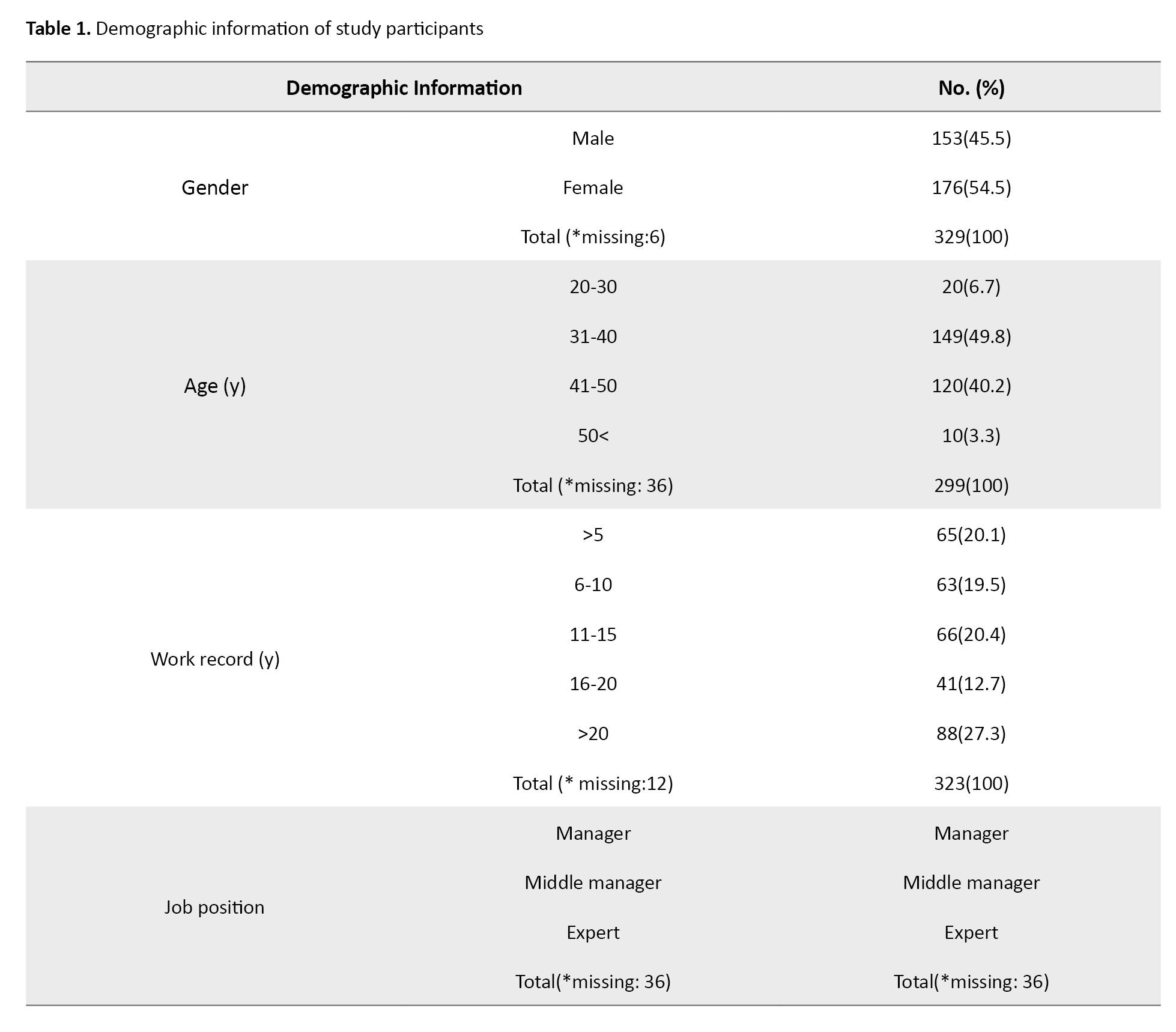
Table 2 presents descriptive statistics for the study variables.
Psychological meaningfulness had the highest mean score, whereas psychological safety had the lowest. Boss phubbing had a Mean±SD score of 3.9897±1.20379, trust in supervisors had a Mean±SD score of 3.7788±1.16647, psychological meaningfulness had a Mean±SD score of 4.6364±0.45759, psychological availability had a Mean±SD score of 4.3194±0.53337, psychological safety had a Mean±SD score of 2.6978±0.47195, and employee engagement had a mean score of 3.5716±0.71373. The skewness and kurtosis values for the main variables were within acceptable ranges, indicating no serious violation of the normality assumption (Table 2).
Boss phubbing was a significant negative predictor of trust in supervisors (B=−0.366, standard error [SE]=0.049, t=−7.447, P<0.001), and the model explained 14.3% of the variance in trust in supervisors (R2=0.143) (Tables 3 and 4).
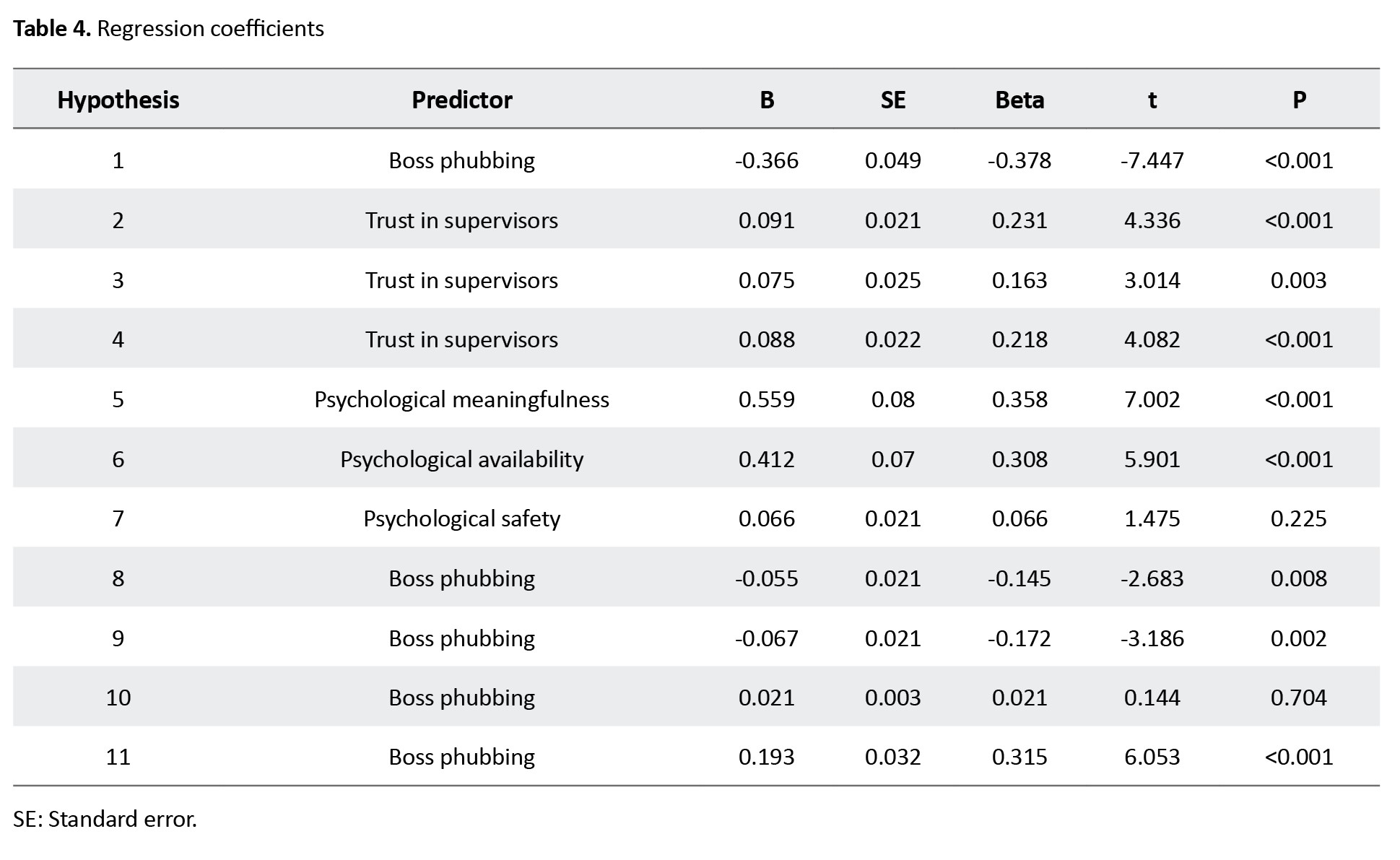
Trust in supervisors was a significant positive predictor of psychological meaningfulness (B=0.091, SE=0.021, t=4.336, P<0.001), psychological availability (B=0.075, SE=0.025, t=3.014, P=0.003), and psychological safety (B=0.088, SE=0.022, t=4.082, P<0.001) (Tables 3 and 4).
Psychological meaningfulness (B=0.559, SE=0.08, t=7.002, P<0.001) and psychological availability (B=0.412, SE=0.07, t=5.901, P<0.001) were significant positive predictors of employee engagement. In contrast, psychological safety was not a significant predictor of employee engagement (B=0.066, SE=0.021, t=1.475, P=0.225) (Tables 3 and 4).
Boss phubbing was also a significant negative predictor of psychological meaningfulness (B=−0.055, SE=0.021, t=−2.683, P=0.008) and psychological safety (B=−0.067, SE=0.021, t=−3.186, P=0.002), but it was not a significant predictor of psychological availability (B=0.021, SE=0.003, t=0.144, P=0.704) (Tables 3 and 4).
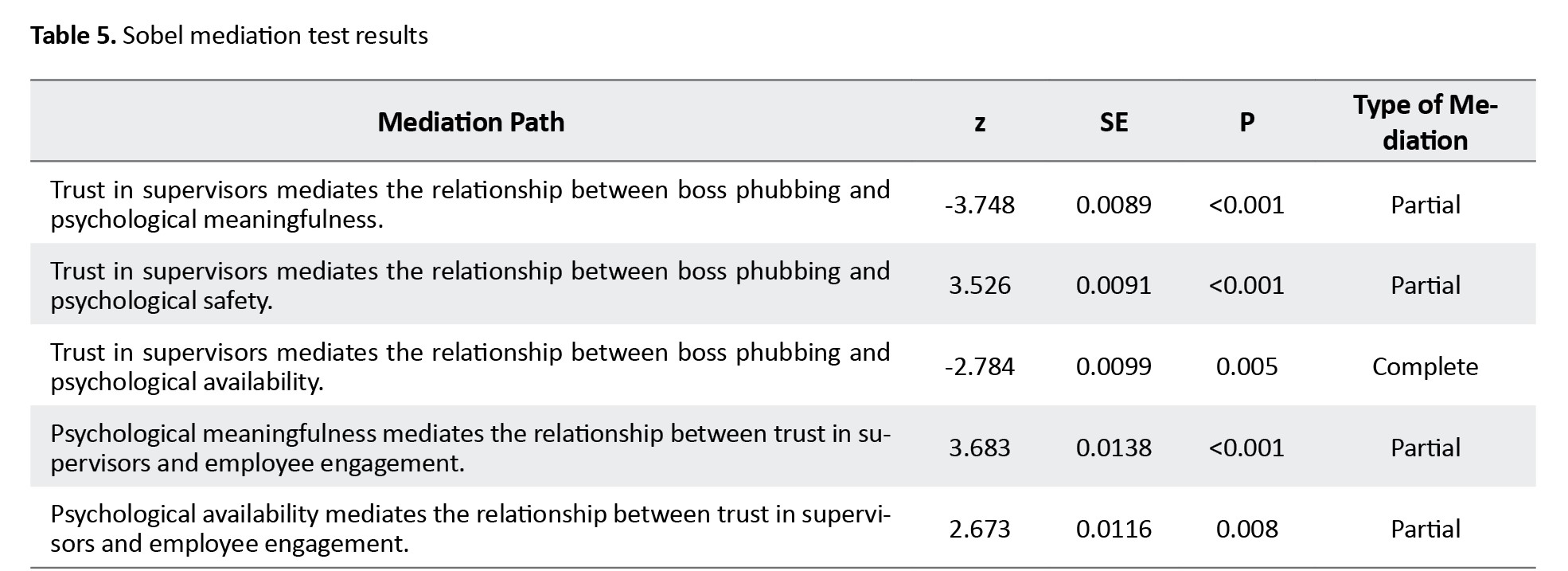
The Sobel test showed that trust in supervisors played a significant mediating role in the relationships between boss phubbing and psychological meaningfulness, psychological safety, and psychological availability. In addition, psychological meaningfulness and psychological availability had significant mediating roles in the relationship between trust in supervisors and employee engagement. In contrast, psychological safety did not mediate the relationship between trust in supervisors and employee engagement because it was not significantly associated with employee engagement (Table 5).
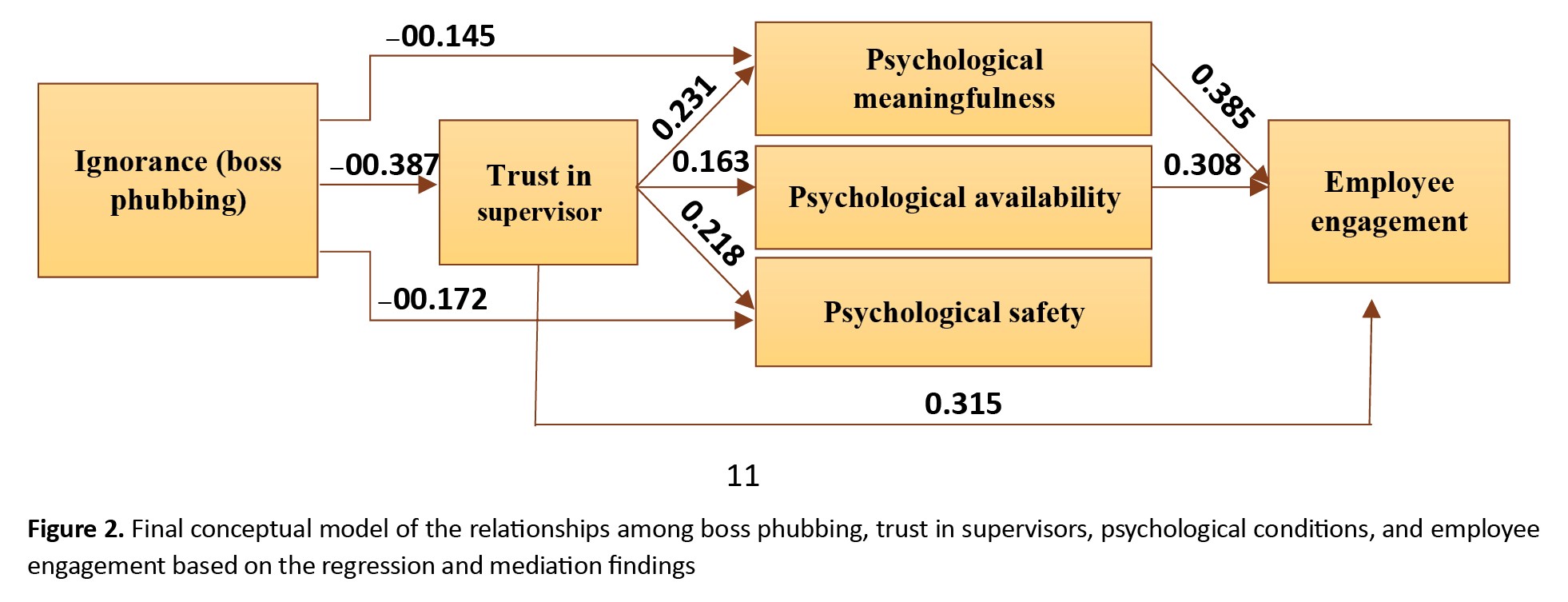
Taken together, the findings indicate that boss phubbing is negatively associated with trust in supervisors and with psychological meaningfulness and safety. Trust in supervisors is positively associated with psychological meaningfulness, availability, and safety. In turn, psychological meaningfulness and availability are positively associated with employee engagement, whereas psychological safety is not significantly associated with employee engagement. Figure 2 presents the final conceptual model based on these findings.
Full-Text: (71 Views)
Introduction
Smartphones have entered almost every part of our lives and have a tremendous impact on our social conversations [1]. A new type of problem called smartphone addiction or phubbing has emerged due to the advancement of smartphone technology and the increase in individual use of smartphones. Phubbing significantly disrupts communication and interactions in both work and personal environments [1, 2]. The word “phubbing” is a portmanteau of “phone” and “snubbing”. It describes the act of ignoring others by using a mobile phone during a face-to-face conversation [3] or, more broadly, the act of neutralizing or disregarding someone’s presence in a social situation by focusing on a smartphone instead of the surroundings [4]. Phubbing is often described as disrespectful, impolite, rude, and socially inappropriate behavior [5]. Despite awareness of its negative consequences, individuals continue to engage in phubbing across various social contexts [6]. This phenomenon is closely linked to mobile phone addiction and the perceived benefits derived from smartphones, such as Internet access, social networking, and online gaming [7, 8]. In recent years, phubbing has garnered attention across numerous disciplines, including social science, communication, computer science, and health. Various studies have investigated the relationship between phubbing and different psychological variables, leading to the development of several tools to assess its dimensions [9], anxiety [10], social isolation, depression, mental health problems [11], smartphone addiction, and reduced life satisfaction [12]. Furthermore, research indicates that phubbing is positively associated with boredom, neuroticism, and conscientiousness, and negatively associated with self-esteem and self-control [13].
Communication’s vital role in human interaction is a key focus in phubbing research [14, 15]. Hinojo-Lucena et al. (2020) argued that cell phones could reduce the quality of interpersonal interactions and create a cocooning effect, in which people are distracted from face-to-face exchanges and lose the art of face-to-face interaction. Also, a lower level of empathic concern was observed in the conversations in which smartphones were present compared to cases where no smartphone was on the desk [16]. Few studies have examined the impact of phubbing on workplace relationships [17-20]. In all these studies, multiple relationships among workplace variables have indicated that employees experience a higher degree of mistrust towards their employer or colleagues. Since phubbing is regarded as a specific behavior in communication with another person, research has reported its adverse effect during face-to-face meetings and personal conversations [21]. A “phubber” supervisor, for instance, can lead to a lack of trust and negatively impact employee engagement [19]. Therefore, paying too much attention to the smartphone in the presence of others may create a feeling of rejection and deprivation from meeting the desired person, which has a significant effect on people’s mental health [22]. Effective communication standards emphasize listening and attention (75% of the value of communication); however, phubbing overshadows real-world conversations [21]. In our distraction-filled, digital world, the conflict between human information-processing limits and the necessity of smartphones is pronounced, especially in the workplace [23]. The boundaries between work and personal life have become vague and permeable [19, 24]. The lack of differentiation between these boundaries can significantly reduce the efficiency of individuals and organizations [25]. Phubbing degrades relationships, necessitating an effective presence from both parties in partnerships [26]. The use of mobile phones is negatively associated with intimacy in conversation [5], and as a communication disorder, it has led to less satisfaction in two-way communication [27].
Phubbing can occur in any context and relationship, with destructive effects on people subjected to phubbing [28]. Given the critical nature of health services, understanding and fostering effective relationships between managers and employees in these institutions is paramount, as face-to-face interaction and attentive cooperation are foundational to trust and service quality. Employees perceive supervisors’ phubbing as rejection, leading to reduced job satisfaction and service failure.
This study aimed to examine the association between boss phubbing and employee engagement in a healthcare setting, with particular attention to the mediating roles of trust in supervisors and psychological conditions, including meaningfulness, psychological safety, and psychological availability. Given the importance of effective face-to-face communication in health organizations, identifying how managerial phubbing may influence employees’ trust and psychological states can help clarify an important workplace problem that has received limited attention in this context. The study’s main hypotheses and conceptual model are presented below.
Hypotheses
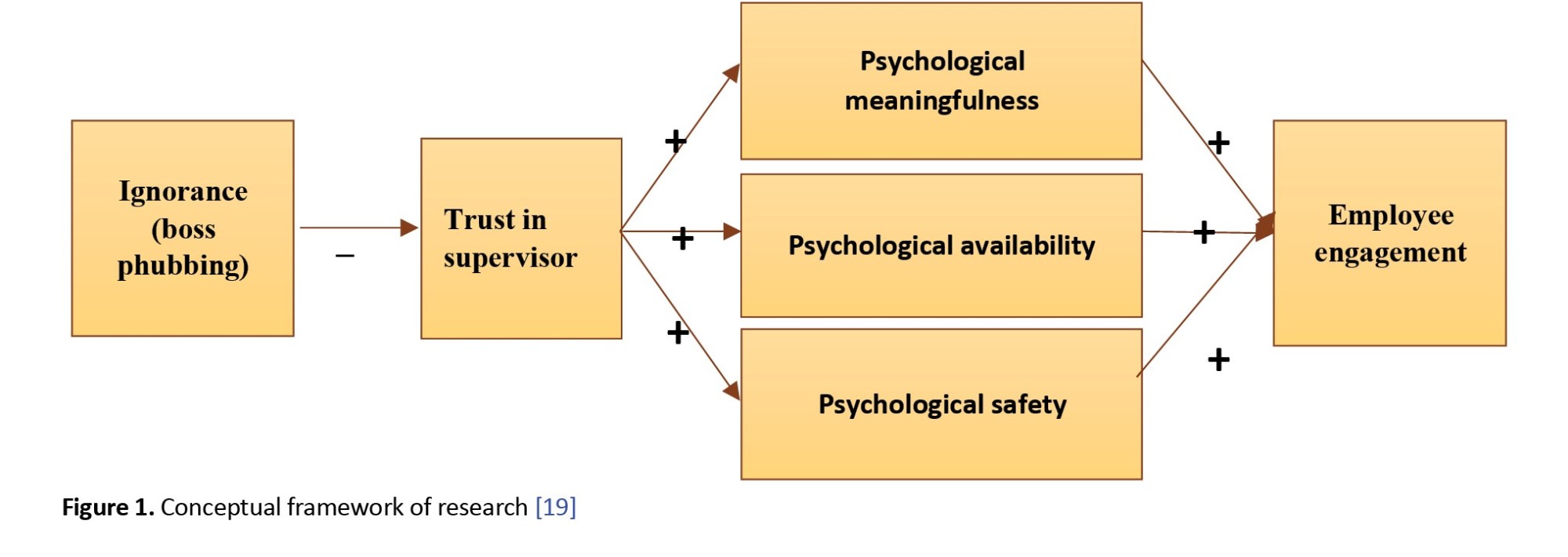
Boss phubbing is negatively associated with trust in supervisors.
Boss phubbing is negatively associated with psychological meaningfulness, safety, and availability.
Trust in supervisors is positively associated with psychological meaningfulness, psychological safety, and psychological availability.
Trust in supervisors is positively associated with employee engagement.
Psychological meaningfulness and psychological availability are positively associated with employee engagement.
Trust in supervisors mediates the relationship between boss phubbing and psychological meaningfulness, psychological safety, and psychological availability.
Psychological meaningfulness and psychological availability mediate the relationship between trust in supervisors and employee engagement.
According to the research hypotheses examining the relationships among variables, a conceptual framework was presented as the structure of the study, as shown in Figure 1, and the relationships among them were explored based on the hypotheses presented in the results.
Smartphones have entered almost every part of our lives and have a tremendous impact on our social conversations [1]. A new type of problem called smartphone addiction or phubbing has emerged due to the advancement of smartphone technology and the increase in individual use of smartphones. Phubbing significantly disrupts communication and interactions in both work and personal environments [1, 2]. The word “phubbing” is a portmanteau of “phone” and “snubbing”. It describes the act of ignoring others by using a mobile phone during a face-to-face conversation [3] or, more broadly, the act of neutralizing or disregarding someone’s presence in a social situation by focusing on a smartphone instead of the surroundings [4]. Phubbing is often described as disrespectful, impolite, rude, and socially inappropriate behavior [5]. Despite awareness of its negative consequences, individuals continue to engage in phubbing across various social contexts [6]. This phenomenon is closely linked to mobile phone addiction and the perceived benefits derived from smartphones, such as Internet access, social networking, and online gaming [7, 8]. In recent years, phubbing has garnered attention across numerous disciplines, including social science, communication, computer science, and health. Various studies have investigated the relationship between phubbing and different psychological variables, leading to the development of several tools to assess its dimensions [9], anxiety [10], social isolation, depression, mental health problems [11], smartphone addiction, and reduced life satisfaction [12]. Furthermore, research indicates that phubbing is positively associated with boredom, neuroticism, and conscientiousness, and negatively associated with self-esteem and self-control [13].
Communication’s vital role in human interaction is a key focus in phubbing research [14, 15]. Hinojo-Lucena et al. (2020) argued that cell phones could reduce the quality of interpersonal interactions and create a cocooning effect, in which people are distracted from face-to-face exchanges and lose the art of face-to-face interaction. Also, a lower level of empathic concern was observed in the conversations in which smartphones were present compared to cases where no smartphone was on the desk [16]. Few studies have examined the impact of phubbing on workplace relationships [17-20]. In all these studies, multiple relationships among workplace variables have indicated that employees experience a higher degree of mistrust towards their employer or colleagues. Since phubbing is regarded as a specific behavior in communication with another person, research has reported its adverse effect during face-to-face meetings and personal conversations [21]. A “phubber” supervisor, for instance, can lead to a lack of trust and negatively impact employee engagement [19]. Therefore, paying too much attention to the smartphone in the presence of others may create a feeling of rejection and deprivation from meeting the desired person, which has a significant effect on people’s mental health [22]. Effective communication standards emphasize listening and attention (75% of the value of communication); however, phubbing overshadows real-world conversations [21]. In our distraction-filled, digital world, the conflict between human information-processing limits and the necessity of smartphones is pronounced, especially in the workplace [23]. The boundaries between work and personal life have become vague and permeable [19, 24]. The lack of differentiation between these boundaries can significantly reduce the efficiency of individuals and organizations [25]. Phubbing degrades relationships, necessitating an effective presence from both parties in partnerships [26]. The use of mobile phones is negatively associated with intimacy in conversation [5], and as a communication disorder, it has led to less satisfaction in two-way communication [27].
Phubbing can occur in any context and relationship, with destructive effects on people subjected to phubbing [28]. Given the critical nature of health services, understanding and fostering effective relationships between managers and employees in these institutions is paramount, as face-to-face interaction and attentive cooperation are foundational to trust and service quality. Employees perceive supervisors’ phubbing as rejection, leading to reduced job satisfaction and service failure.
This study aimed to examine the association between boss phubbing and employee engagement in a healthcare setting, with particular attention to the mediating roles of trust in supervisors and psychological conditions, including meaningfulness, psychological safety, and psychological availability. Given the importance of effective face-to-face communication in health organizations, identifying how managerial phubbing may influence employees’ trust and psychological states can help clarify an important workplace problem that has received limited attention in this context. The study’s main hypotheses and conceptual model are presented below.
Hypotheses
Boss phubbing is negatively associated with trust in supervisors.
Boss phubbing is negatively associated with psychological meaningfulness, safety, and availability.
Trust in supervisors is positively associated with psychological meaningfulness, psychological safety, and psychological availability.
Trust in supervisors is positively associated with employee engagement.
Psychological meaningfulness and psychological availability are positively associated with employee engagement.
Trust in supervisors mediates the relationship between boss phubbing and psychological meaningfulness, psychological safety, and psychological availability.
Psychological meaningfulness and psychological availability mediate the relationship between trust in supervisors and employee engagement.
According to the research hypotheses examining the relationships among variables, a conceptual framework was presented as the structure of the study, as shown in Figure 1, and the relationships among them were explored based on the hypotheses presented in the results.
Materials and Methods
Design and setting
This cross-sectional analytical investigation was conducted at the headquarters of Hamadan University of Medical Sciences from October 2023 to March 2024. This study aimed to examine the association between boss phubbing, trust in supervisors, psychological conditions, and employee engagement among managers and employees.
Participants and sampling
The statistical population consisted of 1, 800 managers and employees working at the headquarters of Hamadan University of Medical Sciences. The sample size was estimated using Cochran’s formula and Morgan’s table. Based on the initial calculation, 317 participants were required, and considering a 10% attrition rate, the final target sample size was set at 348 individuals. Participants were selected using random sampling. The inclusion criteria were employment at the university headquarters, ownership of a smartphone, and membership in at least one social network. Individuals who were not full-time employees or who did not complete the questionnaire properly were excluded from the study.
Instruments
Data were collected using a structured questionnaire composed of validated scales. Boss phubbing was assessed using an 8-item questionnaire adapted from Roberts and David [26]. The items, originally designed to measure phubbing within personal relationships, were adapted to the professional context of this study. Respondents rated the items on a seven-point Likert scale ranging from 1 (strongly disagree) to 7 (strongly agree).
Trust in supervisors was measured using a scale adapted from Li and Tan (2013) [29]. Psychological conditions, including safety, meaningfulness, and availability, were measured using a researcher-developed instrument based on prior literature. Content validity was evaluated by 15 experts using face validity, content validity ratio (CVR), and content validity index (CVI). Based on expert review, items with insufficient CVR were removed, and the remaining items achieved CVI values above the acceptable threshold. During the CVR assessment, three items were removed due to insufficient scores: ‘My supervisor usually places their mobile phone where I can see it when we are together, ‘The work I do in this job position is valuable to me, ’ and ‘I feel that the work I do in my job position is valuable.’ Following these adjustments, all remaining items attained CVI scores above 0.79. The reliability of the finalized instruments was confirmed, yielding Cronbach’s α coefficients of 0.88, 0.79, and 0.82, respectively.
Employee engagement was evaluated using the questionnaire developed by Ghanbari et al. (2015), with a Cronbach’s α coefficient of 0.87 [30].
Statistical analysis
Data analysis was performed using descriptive statistics and inferential tests. Quantitative variables were summarized using Mean±SD, skewness, and kurtosis. Before inferential analysis, distributional assumptions were examined, and the variables showed no serious deviation from normality based on skewness and kurtosis values. Because the study aimed to test a set of separate hypothesis-driven relationships, each association was examined using simple linear regression. In addition, the mediating role of trust in supervisors was assessed using the Sobel test within a regression-based mediation framework. All tests were two-sided, and P<0.05 were considered statistically significant.
Results
A total of 348 questionnaires were distributed, of which 342 were returned. After excluding seven questionnaires because of incomplete information, 335 questionnaires were included in the final analysis. Among the participants, 45.5% were men and 54.5% were women; the largest age group was 31–40 years. Most participants were employees, and the largest proportion had more than 20 years of work experience (Table 1).
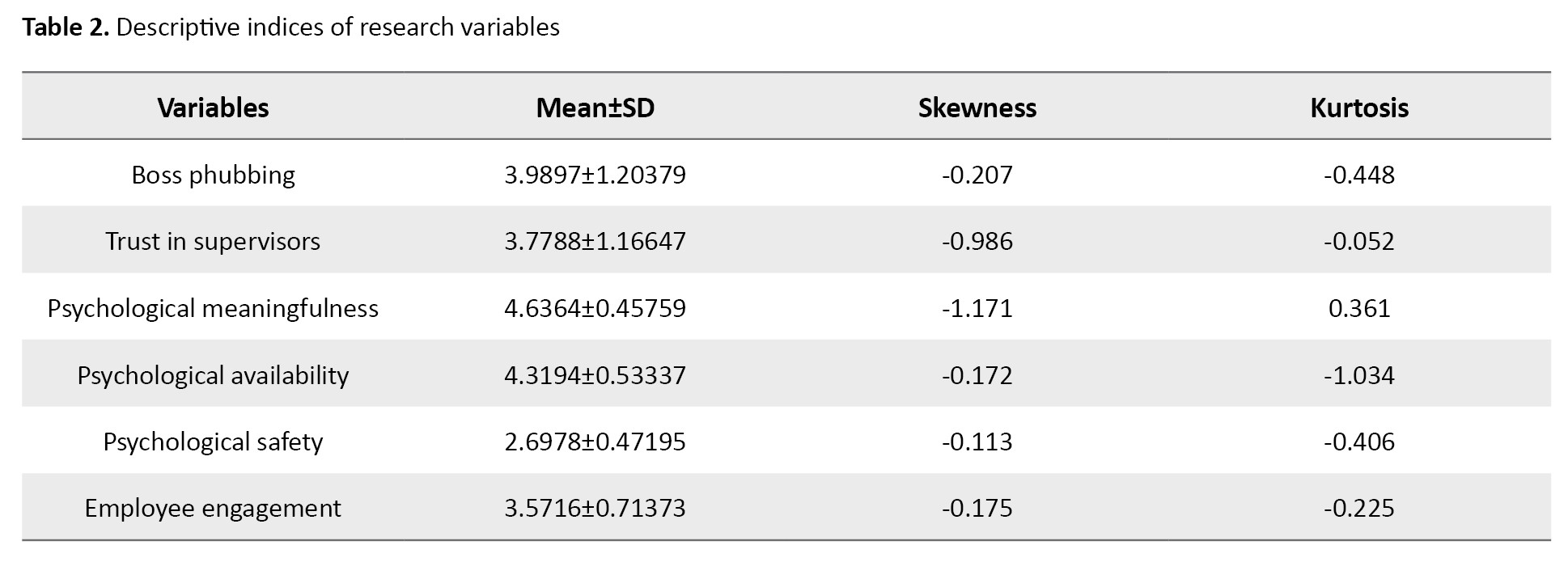
Table 2 presents descriptive statistics for the study variables.
Psychological meaningfulness had the highest mean score, whereas psychological safety had the lowest. Boss phubbing had a Mean±SD score of 3.9897±1.20379, trust in supervisors had a Mean±SD score of 3.7788±1.16647, psychological meaningfulness had a Mean±SD score of 4.6364±0.45759, psychological availability had a Mean±SD score of 4.3194±0.53337, psychological safety had a Mean±SD score of 2.6978±0.47195, and employee engagement had a mean score of 3.5716±0.71373. The skewness and kurtosis values for the main variables were within acceptable ranges, indicating no serious violation of the normality assumption (Table 2).
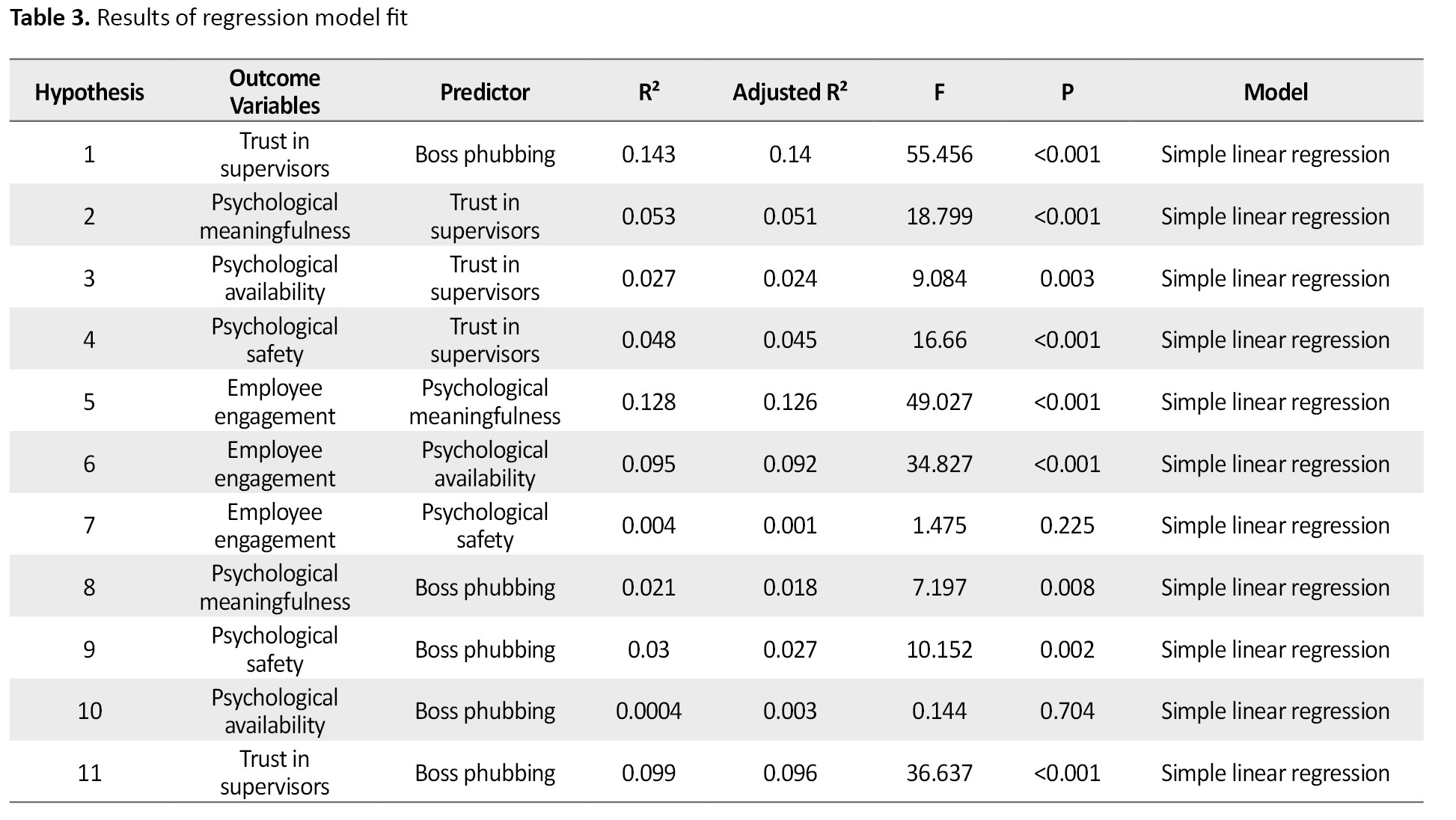
Boss phubbing was a significant negative predictor of trust in supervisors (B=−0.366, standard error [SE]=0.049, t=−7.447, P<0.001), and the model explained 14.3% of the variance in trust in supervisors (R2=0.143) (Tables 3 and 4).
Trust in supervisors was a significant positive predictor of psychological meaningfulness (B=0.091, SE=0.021, t=4.336, P<0.001), psychological availability (B=0.075, SE=0.025, t=3.014, P=0.003), and psychological safety (B=0.088, SE=0.022, t=4.082, P<0.001) (Tables 3 and 4).
Psychological meaningfulness (B=0.559, SE=0.08, t=7.002, P<0.001) and psychological availability (B=0.412, SE=0.07, t=5.901, P<0.001) were significant positive predictors of employee engagement. In contrast, psychological safety was not a significant predictor of employee engagement (B=0.066, SE=0.021, t=1.475, P=0.225) (Tables 3 and 4).
Boss phubbing was also a significant negative predictor of psychological meaningfulness (B=−0.055, SE=0.021, t=−2.683, P=0.008) and psychological safety (B=−0.067, SE=0.021, t=−3.186, P=0.002), but it was not a significant predictor of psychological availability (B=0.021, SE=0.003, t=0.144, P=0.704) (Tables 3 and 4).
The Sobel test showed that trust in supervisors played a significant mediating role in the relationships between boss phubbing and psychological meaningfulness, psychological safety, and psychological availability. In addition, psychological meaningfulness and psychological availability had significant mediating roles in the relationship between trust in supervisors and employee engagement. In contrast, psychological safety did not mediate the relationship between trust in supervisors and employee engagement because it was not significantly associated with employee engagement (Table 5).
Taken together, the findings indicate that boss phubbing is negatively associated with trust in supervisors and with psychological meaningfulness and safety. Trust in supervisors is positively associated with psychological meaningfulness, availability, and safety. In turn, psychological meaningfulness and availability are positively associated with employee engagement, whereas psychological safety is not significantly associated with employee engagement. Figure 2 presents the final conceptual model based on these findings.
The model summarizes the significant direct and indirect relationships identified in the regression and mediation analyses. Boss phubbing was negatively associated with trust in supervisors, psychological meaningfulness, and safety. Trust in supervisors was positively associated with psychological meaningfulness, availability, and safety. In turn, psychological meaningfulness and availability were positively associated with employee engagement, whereas psychological safety was not significantly associated with it.
Discussion
This study aimed to examine the association between boss phubbing and employee engagement by analyzing the mediating roles of trust in supervisors and psychological conditions, including psychological safety, meaningfulness, and availability. Given the prevalence of smartphones in both professional and personal settings, the present study provides a focused examination of this issue in a healthcare organization. This issue has received limited attention in previous research. In an era when mobile phone use is a global phenomenon, achieving a balance between online and offline work life is crucial [19].
In studies conducted in this connection, it has been found that phubbing negatively affects employees and damages their employee engagement, affecting trust in supervisors (managers) through the psychological factor of availability, which causes a decrease in trust in the supervisor and employee engagement in relation to their professional value or growth. Moreover, employees who believe their supervisor uses a smartphone more frequently during interpersonal interactions with them have reported feeling more socially excluded from those interactions. This outcome is consistent with the work of Roberts et al. [31], who similarly reported a negative relationship between boss misconduct (phubbing) and employee engagement, mediated by supervisory trust.
The relationship between trust in a supervisor and psychological factors was investigated. The findings indicate that supervisor trust positively impacts psychological safety, meaningfulness, and availability. Additionally, examining the correlation between psychological factors and employee engagement found that meaningfulness and availability positively affect engagement, whereas psychological safety did not have a significant influence. Since the use of mobile phones in the workplace has become common practice, supervisors must adjust their roles. Moreover, in organizations, self-confidence and adaptability to negative feelings should be cultivated under appropriate training programs [32]. In fact, these trainings can strengthen the psychological factors (safety, meaningfulness, and availability) that create balanced conditions in the work process and trust in supervisors in case a person is exposed to phubbing. On the other hand, supervisors should be trained on when and how to use their phones in the presence of employees and must be able to communicate effectively with employees in the workplace [31]. Many experimental factors influence boss phubbing in organizations; the role of employees and their functional tasks has been considered in this regard [18].
This outcome is consistent with the work of Roberts and David [19], who similarly reported a negative relationship between boss misconduct (phubbing) and employee engagement, mediated by trust in the supervisors. The negative impact of phubbing on employee engagement observed in the present study is, therefore, consistent with previous evidence showing that phubbing undermines engagement through reduced trust. However, regarding psychological safety, boss phubbing had no direct effect on this variable; consequently, psychological safety did not significantly affect employee engagement. Both supervisors and employees have emphasized face-to-face interactions as an effective approach to influence psychological availability, which boosts trust between the two parties and has other desirable outcomes in employees’ work performance [19].
The mediating role of trust in the supervisor has been confirmed in the relationship between boss phubbing and psychological meaningfulness, safety, and availability. Boss phubbing directly impacts psychological meaningfulness and safety. Trust in the supervisor partially mediated the relationship between boss phubbing and these psychological factors. However, since boss phubbing does not directly affect psychological availability, trust in the supervisor fully mediated the relationship between boss phubbing and psychological availability. It has also been found that supervisors’ phubbing reduces subordinates’ identification with supervisors, both directly and indirectly through psychological interactions [33].
The mediating role of psychological meaningfulness and availability in the relationship between trust in supervisors and employee engagement has been confirmed. Given the direct relationship between trust in supervisors and employee engagement, the impact of psychological meaningfulness as a mediating variable is partial. Because psychological safety does not affect employees’ engagement, it cannot serve as a mediator in the relationship between trust in the supervisor and employee engagement. In the studies conducted in this connection, it has been found that phubbing negatively affects employees and damages their employee engagement, affecting trust in supervisors (managers) through the psychological factors of availability, which causes a decrease in trust in the supervisor and employee engagement in relation to their professional value or growth [19]. Moreover, employees who believe their supervisor uses a smartphone more frequently during interpersonal interactions with them have reported a greater sense of social exclusion from those interactions [21].
Finally, it should be stated that in examining the effect of boss phubbing on employee engagement by explaining the role of trust in the supervisor based on psychological variables among the employees of Hamadan University of Medical Sciences, boss phubbing had a direct effect on trust in the supervisor, as well as meaningfulness and safety. The negative impact of phubbing on employee engagement has also been reported. However, regarding psychological safety, it has been determined that boss phubbing has no direct effect on this variable and, as a result, no effect on employee engagement. Other studies have reported that group leaders’ phubbing is associated with poor employee engagement and has many negative effects on employees. In addition, it increases the social distance between employees and leaders and the feeling of alienation among employees, ultimately reducing their work performance. In this regard, conducting training courses to develop positive leadership skills and effective employee interaction, as well as training on strategies for managing negative behaviors, including phubbing, and promoting a culture of respect and positive interaction in the workplace, can be very constructive [34].
Conclusion
According to the findings of this study, boss phubbing can reduce trust in supervisors and negatively affect employees’ psychological conditions, especially meaningfulness and safety, which are important for sustaining engagement. The results also show that psychological availability is indirectly influenced by trust in the supervisor, while psychological safety does not have a significant direct effect on employee engagement. Overall, boss phubbing undermines employee engagement by weakening the trust and psychological conditions that support professional value and work involvement. In healthcare organizations, where effective communication and close coordination are essential, reducing phubbing can help protect employee trust, improve workplace interactions, and support better performance. Therefore, managers should limit mobile phone use during formal meetings and face-to-face interactions, and organizations should consider training and digital etiquette policies to reduce the negative effects of phubbing.
Study limitations
This study has several limitations that should be considered when interpreting the findings. First, the research used a cross-sectional design, which means the results reflect associations at one point in time rather than causal effects. As a result, it is not possible to determine whether boss phubbing leads to lower trust and engagement over time, or whether employees with lower engagement are more sensitive to phubbing.
Second, all data were collected using self-report questionnaires. This raises the possibility of common method variance, recall bias, and social desirability bias, especially because employees may underreport negative perceptions of their supervisors or overstate positive work attitudes. Using the same data source for both predictors and outcomes may have strengthened some of the observed associations.
Third, the study was conducted in a single healthcare organization in Iran, which limits the generalizability of the findings. Organizational culture, managerial communication style, and norms around smartphone use may differ across sectors, regions, and countries; therefore, the present results should not be assumed to apply universally.
Fourth, this study examined a limited set of variables, focusing on boss phubbing, trust in supervisors, psychological conditions, and employee engagement. Other relevant factors such as leadership style, workload, organizational climate, job stress, job satisfaction, digital culture, and individual differences were not included, although they may influence employee engagement and shape the impact of phubbing.
Fifth, psychological conditions were measured using a researcher-developed instrument that, although reviewed by experts and tested for reliability, is still less established than standardized international scales. This may affect comparability with other studies and may also limit replication across different populations.
Sixth, the mediation analysis was based on regression and the Sobel test rather than longitudinal or experimental data. Therefore, the indirect effects should be interpreted cautiously, because the assumed sequence from phubbing to trust to psychological conditions to engagement cannot be fully confirmed without temporal data.
Seventh, the sample consisted of employees and managers from a single organizational setting, and the proportion of missing responses for some demographic variables suggests that item non-response occurred. Although the final sample was adequate for analysis, missing data may still introduce some bias if non-response was not completely random.
Overall, these limitations suggest that the findings are best viewed as evidence of meaningful associations rather than definitive causal pathways. Future research should use longitudinal or multi-wave designs, multi-source data, and samples from different organizations and cultural settings to test the model’s stability and generalizability.
Ethical Considerations
Compliance with ethical guidelines
All methods in the study were in accordance with relevant regulations and guidelines (General Ethical Guidance for Medical Research with Human Participants in the Islamic Republic of Iran). The study procedure was approved by the Ethics Committee of Payame Noor University (Code: IR.PNU.REC.1403.511). The current study included only individuals who provided informed consent. All participants completed the informed consent form after the study’s aims were explained. All participants’ information was emphasized; no personal information could link the answers to any participant in the present study.
Funding
This study was financially supported by Payame Noor University.
Authors contributions
All authors contributed equally to the conception and design of the study, data collection and analysis, interception of the results and drafting of the manuscript. Each author approved the final version of the manuscript for submission.
Conflict of interest
The authors declared no conflicts of interest.
Acknowledgements
The authors appreciate the financial support from Payame Noor University.
Discussion
This study aimed to examine the association between boss phubbing and employee engagement by analyzing the mediating roles of trust in supervisors and psychological conditions, including psychological safety, meaningfulness, and availability. Given the prevalence of smartphones in both professional and personal settings, the present study provides a focused examination of this issue in a healthcare organization. This issue has received limited attention in previous research. In an era when mobile phone use is a global phenomenon, achieving a balance between online and offline work life is crucial [19].
In studies conducted in this connection, it has been found that phubbing negatively affects employees and damages their employee engagement, affecting trust in supervisors (managers) through the psychological factor of availability, which causes a decrease in trust in the supervisor and employee engagement in relation to their professional value or growth. Moreover, employees who believe their supervisor uses a smartphone more frequently during interpersonal interactions with them have reported feeling more socially excluded from those interactions. This outcome is consistent with the work of Roberts et al. [31], who similarly reported a negative relationship between boss misconduct (phubbing) and employee engagement, mediated by supervisory trust.
The relationship between trust in a supervisor and psychological factors was investigated. The findings indicate that supervisor trust positively impacts psychological safety, meaningfulness, and availability. Additionally, examining the correlation between psychological factors and employee engagement found that meaningfulness and availability positively affect engagement, whereas psychological safety did not have a significant influence. Since the use of mobile phones in the workplace has become common practice, supervisors must adjust their roles. Moreover, in organizations, self-confidence and adaptability to negative feelings should be cultivated under appropriate training programs [32]. In fact, these trainings can strengthen the psychological factors (safety, meaningfulness, and availability) that create balanced conditions in the work process and trust in supervisors in case a person is exposed to phubbing. On the other hand, supervisors should be trained on when and how to use their phones in the presence of employees and must be able to communicate effectively with employees in the workplace [31]. Many experimental factors influence boss phubbing in organizations; the role of employees and their functional tasks has been considered in this regard [18].
This outcome is consistent with the work of Roberts and David [19], who similarly reported a negative relationship between boss misconduct (phubbing) and employee engagement, mediated by trust in the supervisors. The negative impact of phubbing on employee engagement observed in the present study is, therefore, consistent with previous evidence showing that phubbing undermines engagement through reduced trust. However, regarding psychological safety, boss phubbing had no direct effect on this variable; consequently, psychological safety did not significantly affect employee engagement. Both supervisors and employees have emphasized face-to-face interactions as an effective approach to influence psychological availability, which boosts trust between the two parties and has other desirable outcomes in employees’ work performance [19].
The mediating role of trust in the supervisor has been confirmed in the relationship between boss phubbing and psychological meaningfulness, safety, and availability. Boss phubbing directly impacts psychological meaningfulness and safety. Trust in the supervisor partially mediated the relationship between boss phubbing and these psychological factors. However, since boss phubbing does not directly affect psychological availability, trust in the supervisor fully mediated the relationship between boss phubbing and psychological availability. It has also been found that supervisors’ phubbing reduces subordinates’ identification with supervisors, both directly and indirectly through psychological interactions [33].
The mediating role of psychological meaningfulness and availability in the relationship between trust in supervisors and employee engagement has been confirmed. Given the direct relationship between trust in supervisors and employee engagement, the impact of psychological meaningfulness as a mediating variable is partial. Because psychological safety does not affect employees’ engagement, it cannot serve as a mediator in the relationship between trust in the supervisor and employee engagement. In the studies conducted in this connection, it has been found that phubbing negatively affects employees and damages their employee engagement, affecting trust in supervisors (managers) through the psychological factors of availability, which causes a decrease in trust in the supervisor and employee engagement in relation to their professional value or growth [19]. Moreover, employees who believe their supervisor uses a smartphone more frequently during interpersonal interactions with them have reported a greater sense of social exclusion from those interactions [21].
Finally, it should be stated that in examining the effect of boss phubbing on employee engagement by explaining the role of trust in the supervisor based on psychological variables among the employees of Hamadan University of Medical Sciences, boss phubbing had a direct effect on trust in the supervisor, as well as meaningfulness and safety. The negative impact of phubbing on employee engagement has also been reported. However, regarding psychological safety, it has been determined that boss phubbing has no direct effect on this variable and, as a result, no effect on employee engagement. Other studies have reported that group leaders’ phubbing is associated with poor employee engagement and has many negative effects on employees. In addition, it increases the social distance between employees and leaders and the feeling of alienation among employees, ultimately reducing their work performance. In this regard, conducting training courses to develop positive leadership skills and effective employee interaction, as well as training on strategies for managing negative behaviors, including phubbing, and promoting a culture of respect and positive interaction in the workplace, can be very constructive [34].
Conclusion
According to the findings of this study, boss phubbing can reduce trust in supervisors and negatively affect employees’ psychological conditions, especially meaningfulness and safety, which are important for sustaining engagement. The results also show that psychological availability is indirectly influenced by trust in the supervisor, while psychological safety does not have a significant direct effect on employee engagement. Overall, boss phubbing undermines employee engagement by weakening the trust and psychological conditions that support professional value and work involvement. In healthcare organizations, where effective communication and close coordination are essential, reducing phubbing can help protect employee trust, improve workplace interactions, and support better performance. Therefore, managers should limit mobile phone use during formal meetings and face-to-face interactions, and organizations should consider training and digital etiquette policies to reduce the negative effects of phubbing.
Study limitations
This study has several limitations that should be considered when interpreting the findings. First, the research used a cross-sectional design, which means the results reflect associations at one point in time rather than causal effects. As a result, it is not possible to determine whether boss phubbing leads to lower trust and engagement over time, or whether employees with lower engagement are more sensitive to phubbing.
Second, all data were collected using self-report questionnaires. This raises the possibility of common method variance, recall bias, and social desirability bias, especially because employees may underreport negative perceptions of their supervisors or overstate positive work attitudes. Using the same data source for both predictors and outcomes may have strengthened some of the observed associations.
Third, the study was conducted in a single healthcare organization in Iran, which limits the generalizability of the findings. Organizational culture, managerial communication style, and norms around smartphone use may differ across sectors, regions, and countries; therefore, the present results should not be assumed to apply universally.
Fourth, this study examined a limited set of variables, focusing on boss phubbing, trust in supervisors, psychological conditions, and employee engagement. Other relevant factors such as leadership style, workload, organizational climate, job stress, job satisfaction, digital culture, and individual differences were not included, although they may influence employee engagement and shape the impact of phubbing.
Fifth, psychological conditions were measured using a researcher-developed instrument that, although reviewed by experts and tested for reliability, is still less established than standardized international scales. This may affect comparability with other studies and may also limit replication across different populations.
Sixth, the mediation analysis was based on regression and the Sobel test rather than longitudinal or experimental data. Therefore, the indirect effects should be interpreted cautiously, because the assumed sequence from phubbing to trust to psychological conditions to engagement cannot be fully confirmed without temporal data.
Seventh, the sample consisted of employees and managers from a single organizational setting, and the proportion of missing responses for some demographic variables suggests that item non-response occurred. Although the final sample was adequate for analysis, missing data may still introduce some bias if non-response was not completely random.
Overall, these limitations suggest that the findings are best viewed as evidence of meaningful associations rather than definitive causal pathways. Future research should use longitudinal or multi-wave designs, multi-source data, and samples from different organizations and cultural settings to test the model’s stability and generalizability.
Ethical Considerations
Compliance with ethical guidelines
All methods in the study were in accordance with relevant regulations and guidelines (General Ethical Guidance for Medical Research with Human Participants in the Islamic Republic of Iran). The study procedure was approved by the Ethics Committee of Payame Noor University (Code: IR.PNU.REC.1403.511). The current study included only individuals who provided informed consent. All participants completed the informed consent form after the study’s aims were explained. All participants’ information was emphasized; no personal information could link the answers to any participant in the present study.
Funding
This study was financially supported by Payame Noor University.
Authors contributions
All authors contributed equally to the conception and design of the study, data collection and analysis, interception of the results and drafting of the manuscript. Each author approved the final version of the manuscript for submission.
Conflict of interest
The authors declared no conflicts of interest.
Acknowledgements
The authors appreciate the financial support from Payame Noor University.
References
- Rezaee M, Izanloo B, Abbasi N, Dastjerdi H. [Determining the psychometric properties and measurement invariance of the partner phubbing scale (Persian)]. Journal of Applied Psychological Research. 2024; 15(2):271-93. [DOI:10.22059/japr.2023.349223.644398]
- Yam F, Kumcağız H. Adaptation of general phubbing scale to Turkish culture and investigation of phubbing levels of university students in terms of various variables. Addicta: The Turkish Journal on Addictions 2020; 7(1):48-60. [DOI:10.5152/addicta.2020.19061]
- García-Castro FJ, Abreu AM, Rando B, Blanca MJ. The Phubbing Scale (PS-8) in the Portuguese population: Psychometric properties. JPsicologia, Reflexao e Critica : Revista Semestral do Departamento de Psicologia da UFRGS. 2022; 35(1):7. [DOI:10.1186/s41155-022-00209-z] [PMID]
- Ergün N, Göksu İ, Sakız H. Effects of phubbing: Relationships with psychodemographic variables. Psychological Reports. 2020; 123(5):1578-613. [DOI:10.1177/0033294119889581] [PMID]
- Abeele M, Hendrickson A, Pollmann M, Ling R. Phubbing behavior in conversations and its relation to perceived conversation intimacy and distraction: An exploratory observation study. Computers in Human Behavior. 2019 ; 100:35-47. [DOI:10.1016/j.chb.2019.06.004]
- Karadağ E, Tosunta Ş, Erzen E, Duru P, Bostan N, Şahin B, et al. Determinants of phubbing, which is the sum of many virtual addictions: A structural equation model. Journal of Behavioral Addictions. 2015; 4(2):60-74. [DOI:10.1556/2006.4.2015.005] [PMID]
- Barrios-Borjas D, Bejar-Ramos V, Cauchos-Mora V. Excessive use of Smartphones/cell phones: Phubbing and Nomofobia. Revista chilena de neuro-psiquiatría. 2017; 55(3):205-6. [DOI:10.4067/s0717-92272017000300205]
- Capilla-Garrido E, Cubo-Delgado S, Gutiérrez-Esteban P. Design and validation of an instrument to evaluate phubbing behaviors. RELIEVE - Electronic Journal of Educational Research and Evaluation. 2020; 26(2):1-15. [DOI:10.7203/relieve.26.2.16955]
- Wu AM, Cheung VI, Ku L, Hung EP. Psychological risk factors of addiction to social networking sites among Chinese smartphone users. Journal of Behavioral Addictions. 2013; 2(3):160-6. [DOI:10.1556/JBA.2.2013.006] [PMID]
- Guazzini A, Duradoni M, Capelli A, Meringolo P. An explorative model to assess individuals’ phubbing risk. J Future Internet. 2019; 11(1):21. [DOI:10.3390/fi11010021]
- Frost RL, Rickwood DJ. A systematic review of the mental health outcomes associated with Facebook use. Computers in Human Behavior. 2017; 76:576-600. [DOI:10.1016/j.chb.2017.08.001]
- Samaha M, Hawi N. Relationships among smartphone addiction, stress, academic performance, and satisfaction with life. Computers in Human Behavior. 2016; 57:321-5. [DOI:10.1016/j.chb.2015.12.045]
- Davey S, Davey A, Raghav SK, Singh JV, Singh N, Blachnio A, et al. Predictors and consequences of “phubbing” among adolescents and youth in India: An impact evaluation study. Journal of Family Community Medicine. 2018; 25(1):35-42. [DOI:10.4103/jfcm.JFCM_71_17] [PMID]
- Lee Y, Dong E. How transparent internal communication from ceo, supervisors, and peers leads to employee advocacy. Management Communication Quarterly. 2023; 37(4):878-912. [DOI:10.1177/08933189231153869]
- Krasnova H, Abramova O, Notter I, Baumann A. Why phubbing is toxic for your relationship: Understanding the role of smartphone jealousy among “Generation Y” users. Elibrary. 2016. [Link]
- Hinojo-Lucena FJ, Aznar-Díaz I, Cáceres-Reche MP, Trujillo-Torres JM, Romero-Rodríguez JM. Instagram use as a multimedia platform for sharing images and videos: Links to smartphone addiction and self-esteem. Ieee Multimedia. 2020 Sep 15;28(1):48-55. [Link]
- Al-Saggaf Y, O’Donnell S. Phubbing: Perceptions, reasons behind, predictors, and impacts. Human Behavior Emerging Technologies. 2019; 1(2):132-40. [DOI:10.1002/hbe2.137]
- Jamadi A, RajabipoorMeybodi AR, Hosseini E, Doaei ZS. Identifying the antecedents and consequences of phubbing. International Journal of Human Capital in Urban Management. 2023; 8(4):515-28. [Link]
- Roberts JA, David ME. Put down your phone and listen to me: How boss phubbing undermines the psychological conditions necessary for employee engagement. Computers in Human Behavior. 2017; 75:206-17. [DOI:10.1016/j.chb.2017.05.021]
- Cameron A, Webster J. Relational outcomes of multicommunicating: Integrating incivility and social exchange perspectives. Organization Science. 2011; 22(3):754-71. [DOI:10.1287/orsc.1100.0540]
- Yasin R, Bashir S, Abeele M, Bartels J. Supervisor phubbing phenomenon in organizations: Determinants and impacts. International Journal of Business Communication. 2023; 60(1):150-72. [DOI:10.1177/2329488420907120]
- Tanhan F, Özok H, Kaya A, Yıldırım M. Mediating and moderating effects of cognitive flexibility in the relationship between social media addiction and phubbing. Current Psychology. 2023; 1-12. [DOI:10.1007/s12144-023-04242-8] [PMID]
- Schlosser F. So, how do people really use their handheld devices? An interactive study of wireless technology use. Journal of Organizational Behavior. 2002; 23(4):401-23. [DOI:10.1002/job.146]
- Hertlein K. Digital dwelling: Technology in couple and family relationships. Family Relations. 2012; 61(3):374-87. [DOI:10.1111/j.1741-3729.2012.00702.x]
- Vogel R, Mitchell M, Tepper B, Restubog S, Hu C, Hua W, et al. A cross-cultural examination of subordinates’ perceptions of and reactions to abusive supervision. Journal of Organizational Behavior. 2015; 36(5):720-45. [DOI:10.1002/job.1984]
- Roberts J, David M. My life has become a major distraction from my cell phone: Partner phubbing and relationship satisfaction among romantic partners. Computers in Human Behavior. 2016; 54:134-41. [DOI:10.1016/j.chb.2015.07.058]
- Çikrikci Ö, Griffiths M, Erzen E. Testing the mediating role of phubbing in the relationship between the big five personality traits and satisfaction with life. J International Journal of Mental Health Addiction. 2019; 20:44-56. [DOI:10.1007/s11469-019-00115-z]
- McDaniel B, Wesselmann E. “You phubbed me for that?” Reason given for phubbing and perceptions of interactional quality and exclusion. Human Behavior Emerging Technologies. 2021; 3(3):413-22. [DOI:10.1002/hbe2.255]
- Li A, Tan H. What happens when you trust your supervisor? Mediators of individual performance in trust relationships. Journal of Organizational Behavior. 2013; 34(3):407-25. [DOI:10.1002/job.1812]
- Ghanbari S, Ardalan M, Zandi K, Saifpanahi H. [Validity and reliability of Utrecht nine-item work engagement scale (UWES-9) (Persian)]. Management and Development Process. 2015; 28(2):181-97. [Link]
- Roberts JA, David ME. Boss phubbing, trust, job satisfaction and employee performance. Personality Individual Differences. 2020; 155:109702. [DOI:10.1016/j.paid.2019.109702]
- Yao S, Nie T. Boss, can't you hear me? The Impact mechanism of supervisor phone snubbing (phubbing) on employee psychological withdrawal behavior. Healthcare; 2023; 11(24):3167. [DOI:10.3390/healthcare11243167] [PMID]
- Khan MN, Shahzad K, Ahmad I, Bartels J. Boss, look at me: How and when supervisor’s phubbing behavior affects employees’ supervisor identification. Current Psychology. 2022; 42:31064–78.[DOI:10.1007/s12144-022-04120-9]
- Xu T, Wang T, Duan J. Leader phubbing and employee job performance: The effect of need for social approval. Psychology Research and Behavior Management. 2022; 15:2303-14. [DOI:10.2147/PRBM.S370409] [PMID]
Type of Study: Original Article |
Subject:
Management of health care services
Send email to the article author
| Rights and permissions | |
 |
This work is licensed under a Creative Commons Attribution-NonCommercial 4.0 International License. |

This is an open access article distributed under the terms of the Creative Commons Attribution License (CC-By-NC), which permits use, distribution, and reproduction in any medium, provided the original work is properly cited and is not used for commercial purposes.
Contact Information